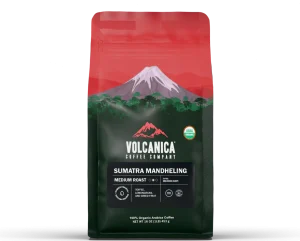
Volcanica Coffee Guatemala Huehuetenango Coffee
Volcanica charges specialty rates, and the 4/5 acidity held through a medium roast from Guatemala's high-altitude Huehuetenango region is what backs that up.
Profile
Tasting Notes
- The acidity registers first: citrus peel brightness in the opening sip, present without sharpness.
- Pistachio character lands in the mid-palate as a creamy, faintly oily texture. It rounds the cup and keeps the acidity from reading as aggressive.
- Molasses depth runs through the background of each sip, adding weight without loading sweetness up front.
- A spice warmth in the cardamom range surfaces as the cup drops below drinking temperature.
- The 4/5 body holds through the finish; this coats the mouth in a way most medium roasts from Guatemala do not.
Who It’s For
Pour-over drinkers with a gooseneck and a scale who want a medium roast that still tracks its origin. The elevated acidity makes it worth the attention, and it holds up on auto-drip as well, provided the grinder is decent.
Smaller specialty importers who source Huehuetenango lots directly from producer cooperatives often land comparable acidity at a lower cost per ounce. If you already source Guatemalan single-origins from a focused roaster, the Volcanica price is carrying the brand name.
Full review
Huehuetenango is Guatemala's northernmost highland zone, with some lots sitting above 1800 meters. That altitude slows cherry development and concentrates the organic acids that give the region its character. The challenge for any medium roast from here is that development heat dissolves acidity before body: every degree of additional roast trades brightness for caramel warmth. At 3/5 roast intensity, Volcanica holds the line. The 4/5 acidity in this cup is the defining quality, and the roast preserves what the region grows.
The pistachio character is the most interesting note and the one that separates this lot from a standard Guatemala description. It surfaces in the mid-palate as a creamy, faintly oily texture. It rounds the cup and anchors the acidity so the finish does not dry out. Molasses depth runs underneath, adding weight without tipping the sweetness forward. The 3/5 sweetness is moderate, so the cup reads as defined and present. The spice warmth arrives quietly as the temperature drops, a cardamom-range note that shows up after the acidity has settled and gives the cup a second act worth waiting for.
Washed processing removes the fruit skin and mucilage before the beans are dried in the sun. There is no fermentation character in the cup. The pistachio and spice notes come from the varietal and altitude, products of the bean's chemistry at elevation. A natural-processed Guatemalan at the same elevation would read differently: sweeter, more fruit-forward, the brightness softened by fermentation sugars. What you taste here is the bean's flavor without anything layered on top.
Pour-over is where the acidity and the pistachio texture express most clearly. A slow, controlled pour lets both develop, and the 4/5 body holds the cup together as the temperature drops. Drip machines handle it well with a quality grinder; the elevated acidity means grind consistency matters more than it does with a forgiving blend. French press works at four minutes, but the extended contact mutes the acidity and pushes the body forward, turning the cup denser and more uniform. The pistachio texture and the spice note both diminish. You get a solid cup, but not the cup this lot is capable of.
Lily & Willy's Guatemala Huehuetenango shares the altitude-driven acid structure, but the flavor emphasis diverges: that cup leads with brown-sugar sweetness, the acidity present but secondary. The Volcanica leads with brightness and finishes with pistachio and spice. Neither is the definitive Huehuetenango. For the acidity-forward drinker, the Volcanica is the more distinctive pick, and the character holds across repeat brewings, which is a more reliable signal than a first impression.
Against Blue Bottle's Bella Donovan on everyday performance, the difference is margin for error. Bella Donovan is engineered to absorb variables: grind inconsistency, water temperature swings, a fast pour. This Guatemala responds to those variables. The acidity reacts to small changes in grind and water temperature. Dial it in and the cup delivers more character. Brew it with less attention and it reads flatter than a blend would.
Smaller importers who buy Huehuetenango lots directly from producers or cooperatives in the region often land comparable acidity at a lower cost per ounce. Volcanica operates a wide catalog, and catalog-scale sourcing does not always replicate what a focused buyer gets from a direct producer relationship. The acidity delivery here is genuine and the roast decision is sound, but the price is carrying some of the brand.
Keep pulling the thread: Medium roast guide, Guatemala, Huehuetenango origin guide, and more from Volcanica Coffee.
Price & History
The 12oz format places this in the upper tier of specialty Guatemalan single-origins, where Volcanica's catalog scale typically prices above what focused importers charge for direct-sourced Huehuetenango lots.
Price history coming soon — check back after the next daily update.
Rating
FAQ
What does Volcanica Coffee Guatemala Huehuetenango Coffee taste like?
The acidity registers first: citrus peel brightness in the opening sip, present without sharpness. Pistachio character lands in the mid-palate as a creamy, faintly oily texture. It rounds the cup and keeps the acidity from reading as aggressive. Molasses depth runs through the background of each sip, adding weight without loading sweetness up front.
Who is Volcanica Coffee Guatemala Huehuetenango Coffee best for?
Pour-over drinkers with a gooseneck and a scale who want a medium roast that still tracks its origin. The elevated acidity makes it worth the attention, and it holds up on auto-drip as well, provided the grinder is decent.
Who should skip Volcanica Coffee Guatemala Huehuetenango Coffee?
Smaller specialty importers who source Huehuetenango lots directly from producer cooperatives often land comparable acidity at a lower cost per ounce. If you already source Guatemalan single-origins from a focused roaster, the Volcanica price is carrying the brand name.