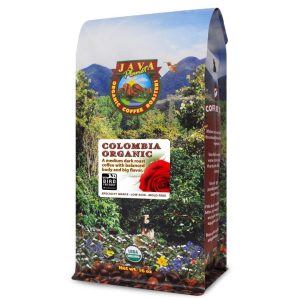
Phil & Sebastian Coffee Roasters Honey Haze Espresso
Orange brightness in the first third, raisin and orchard fruit through the center, hazelnut dryness at the close: medium-dark applied to a washed Panama with a specific espresso outcome in mind.
Medium-dark reaches 435–455°F, into the early stages of second crack. Caramelization shifts toward darker compounds — dark chocolate, molasses, slight smokiness emerge. Acidity drops significantly. Body increases. Bitterness rises but stays manageable. The cup has weight and intensity without the char of a full dark roast.
Medium-dark is the espresso sweet spot for most home setups. It extracts forgivingly at espresso parameters — the lower acidity prevents sour shots, and the dark chocolate development stands up to milk-based drinks.
Acidity: low. Acid compounds have broken down significantly. Suitable for acid-sensitive drinkers.
Body: full. Heavy texture, viscous mouthfeel — especially in espresso.
Sweetness: medium. Caramel and chocolate sweetness present but not as bright as medium roast.
Bitterness: medium-high. Intentional and part of the profile. Not harsh, but present.
Home espresso users who want consistent shots without chasing extraction parameters. Drip drinkers who want weight and low acidity. Anyone who finds medium roast light and dark roast too intense.
Drinkers who want the full intensity of dark roast in their cup. Light roast drinkers who want origin character — medium-dark development obscures most of it. This roast level is a bridge category, not a destination for those who already know what they want.
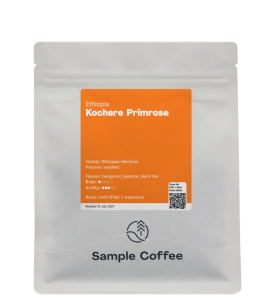
Orange brightness in the first third, raisin and orchard fruit through the center, hazelnut dryness at the close: medium-dark applied to a washed Panama with a specific espresso outcome in mind.
Caramel sweetness on entry, raisin and amaretto pulling forward as the shot cools, and a shortbread-dry bitter close that resolves without dragging.
Maximum sweetness delivered as stone fruit and caramel, from a Bourbón varietal with enough inherent sweetness to carry through medium-dark heat.
The medium-dark roast on this natural-process Colombian buys consistency and full body at the cost of the rawer fermentation character a lighter pass would have kept.
Built for the french press and cold brew drinker who wants thick sweetness and full body, this peaberry runs the medium-dark roast as its primary engine and delivers a maple-warm, low-acid cup that holds up across all three methods.
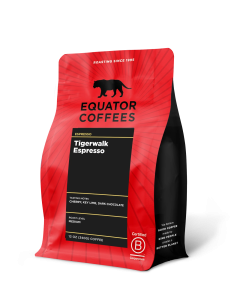
The Monarch's medium-dark roast is a deliberate trade: origin character gives way to extraction reliability, and for an espresso blend built around milk-based drinks, that exchange holds up.
The Sermon costs what Verve charges for its beans; what you get for that price is a medium-dark espresso blend that preserves cherry acidity at a roast level where most blends have already lost that brightness entirely.
Built for the espresso or moka pot drinker who wants a bone-dense, toffee-forward shot from a traceable Huila lot, the Interval Espresso delivers maximum body and sweetness alongside equally maximum bitterness.
Dark chocolate up front, a cherry note that outlasts the roast, and enough body to anchor milk drinks without bitterness dragging the cup down.
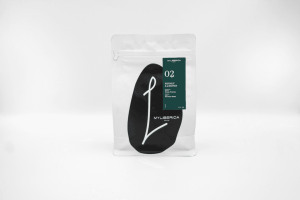
Wild ginger and black tea from a Malaysian Liberica, roasted medium-dark to build maximum body while preserving the varietal's spice character.
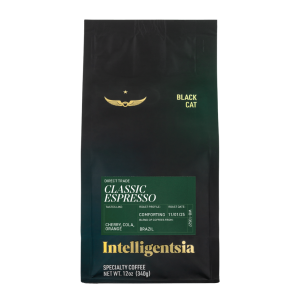
At $1.46 an ounce, Intelligentsia's name carries part of the price; the low acidity and genuine body carry the rest.
The roast has compressed most of the origin character, but the 4/5 body and controlled bitterness make this a capable espresso blend for lattes and milk drinks.
Brews dense and sweet across every method it was designed for, with a full-bodied chocolate-caramel base that survives dilution and long steeps without giving up texture.
Built for the auto-drip regular or home espresso drinker who wants a full-bodied, low-acid cup with dark chocolate and spice presence, the Spice Island Blend delivers on that brief without complication.
Blue Bottle's price for a blend that delivers real body and a dried fruit lift over chocolate, but the cup earns only part of what the label charges.
The roast has consumed most of what makes single-origin Colombian worth seeking at a premium, but the body it leaves behind is heavy, low-bitterness, and more approachable than most coffees at this roast intensity manage.
Dark chocolate on entry, full body through the cup, and a finish that drops off before bitterness builds: this blend delivers roast depth without the harshness that typically comes at this roast intensity.
The value case for a medium-dark Sumatran Aceh rests on the body, and this one delivers: 5/5 weight in the cup, roasted to amplify caramelized sweetness without tipping bitterness past the moderate range.