What Caramel and Sweet Notes in Coffee Are The caramel family, caramel through brown sugar, toffee, and molasses, is the…
Browse Caramel & Sweet →Browse by Flavor
Coffee Flavor Notes
Coffee flavor notes are not marketing invention, and nothing is added to the beans. The chocolate, caramel, citrus, and stone fruit a roaster lists on the bag are compounds the coffee actually contains, created by the bean variety, the origin, the processing method, and the roast. Learn to name them and you stop buying coffee by guesswork.
This hub organizes flavor into the families that matter when you shop: Chocolate, Caramel and Sweet, Nutty, Fruit, Citrus and Floral, Earthy and Smoky, and Spice. Each one links to the beans we have reviewed carrying that note, so you can move straight from a flavor you like to a coffee that delivers it.
The structure follows the same logic professionals use in the Coffee Taster's Flavor Wheel: broad categories at the center, specific descriptors at the edges. Dark roasts push toward chocolate, roast, and smoke. Light roasts protect fruit, citrus, and floral notes. Washing a coffee sharpens clarity; a natural process amplifies fruit. Pick the direction you want below and follow it to a bean.
All Flavor Notes
What a Fruit Note in Coffee Actually Is Pour a black coffee, expect it to taste like coffee, and instead…
Browse Fruit →What Chocolate Notes in Coffee Actually Are Chocolate is the most common thing people taste in coffee, and one of…
Browse Chocolate →What Citrus and Floral Notes in Coffee Are Bergamot, orange blossom, jasmine, a clean citrus brightness: these are the calling…
Browse Citrus & Floral →What Makes Coffee Taste Nutty Hazelnut, walnut, almond, peanut: the nutty notes in coffee come from pyrazines, the same class…
Browse Nutty →What Spice Notes in Coffee Are Cinnamon, ginger, nutmeg, clove, the warm reach of baking spice: these notes are aromatic…
Browse Spice →What Earthy and Smoky Notes in Coffee Are Earthy and smoky sit at the dark, heavy end of the coffee…
Browse Earthy & Smoky →Highest-rated coffees
coffea-circulor
Coffea Circulor Panama Hacienda La Esmeralda Private Velo WX
For pour-over brewers chasing what Hacienda La Esmeralda's Geisha can deliver at its ceiling, this cup provides: citric brightness and honey sweetness in a frame so light it barely registers as body.

onyx-coffee-lab
Onyx Coffee Lab Panama Finca Deborah Nirvana Gesha
At the price Finca Deborah Gesha lots command, you get maximum floral intensity plus the concentrated grape-soda fermentation character the anaerobic process stacks on top.
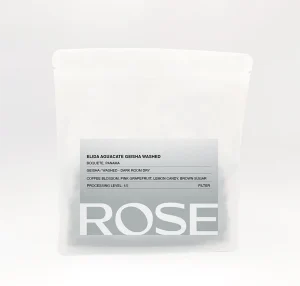
rose-coffee-roasters
Rose Coffee Roasters Hacienda La Esmeralda Geisha El Velo Natural
Produces grape-and-citrus intensity across pour over, drip, and French press, the anaerobic natural process amplifying Boquete Geisha into something fruitier and denser than the varietal's standard profile.

coffea-circulor
Coffea Circulor Panama Abu Geisha Natural NX
Natural processing pushes this Boquete Geisha away from the varietal's famous florals and into dense, layered stone fruit, and the fruit is worth the trade.

four-barrel-coffee
Four Barrel Coffee Kenya Gaturiri Peaberry
Built for filter brewers who want fruit clarity before anything else, this Nyeri peaberry delivers blackberry and dried currant at a sweetness the medium roast has no business sustaining.
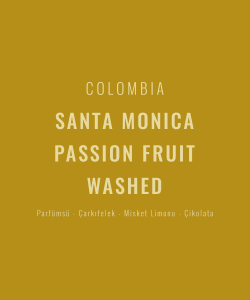
coffeerem-roastery
Coffeerem Roastery Kenya Masai AA Top
The jasmine opens at 150F and the cup becomes something different: cherry-forward at serving temperature, floral and stone-fruit-sweet as it cools.
Common questions
Where do coffee flavor notes come from?
From the coffee itself, not added flavoring. The bean variety, the growing region, the processing method, and the roast level together create hundreds of aromatic compounds. Roasters taste the brewed coffee and name what is already there. A natural-process Ethiopian genuinely tastes of strawberry. Nothing is sprayed on.
What is the coffee flavor wheel?
The Coffee Taster's Flavor Wheel is the industry-standard map of coffee flavor, first published by the SCA in 1995 and rebuilt in 2016 with World Coffee Research. It runs from broad categories like Fruity and Roasted at the center to precise notes like blueberry or tobacco at the rim. It names flavor, not quality.
How do I taste flavor notes in coffee?
Brew it black and let it cool slightly, since heat masks aroma. Smell first, then take a large sip to spread it across your palate. Start broad: is it fruity, nutty, or roasty? Then narrow down. Comparing two different coffees side by side makes the differences obvious fast.