What Washed Process Does to the Cup Washed (fully washed) coffee strips the fruit from the bean before drying. After…
Browse Washed →Browse by Process
Coffee Processing Methods
Coffee processing methods decide how much of the fruit's character ends up in the bean, and they change the cup as much as origin does. Processing is what happens between picking the cherry and shipping green coffee: how the fruit is removed, and how the bean is dried. The same Colombian beans can taste clean and bright when washed, or sweet and fruity when left natural.
This hub breaks down the four methods we track: washed, natural, honey, and wet-hulled. Each page explains what physically happens to the cherry, why it produces the flavor it does, and which reviewed beans use it.
The pattern is consistent. Washed strips all the fruit before drying, so the bean's own clarity and acidity lead. Natural dries the whole cherry, so sugars ferment into the bean and the cup turns fruity and heavy. Honey leaves part of the sticky mucilage on for a sweet middle ground. Wet-hulled, the Indonesian method behind Sumatra, hulls the bean wet and gives that earthy, low-acid weight. Pick a method below to see what it does to the cup.
All Process Methods
What Natural Process Does to the Cup Natural (dry) process leaves the fruit intact on the coffee bean during drying.…
Browse Natural →What Honey Process Does to the Cup Honey process removes the cherry's outer skin but leaves some or all of…
Browse Honey →What Wet-Hull Process Does to the Cup Wet-hull (Giling Basah) is a process unique to Indonesia. After pulping, beans partially…
Browse Wet-Hulled →Highest-rated coffees
coffea-circulor
Coffea Circulor Panama Hacienda La Esmeralda Private Velo WX
For pour-over brewers chasing what Hacienda La Esmeralda's Geisha can deliver at its ceiling, this cup provides: citric brightness and honey sweetness in a frame so light it barely registers as body.

onyx-coffee-lab
Onyx Coffee Lab Panama Finca Deborah Nirvana Gesha
At the price Finca Deborah Gesha lots command, you get maximum floral intensity plus the concentrated grape-soda fermentation character the anaerobic process stacks on top.
rose-coffee-roasters
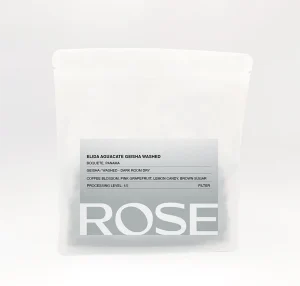
Rose Coffee Roasters Hacienda La Esmeralda Geisha El Velo Natural
Produces grape-and-citrus intensity across pour over, drip, and French press, the anaerobic natural process amplifying Boquete Geisha into something fruitier and denser than the varietal's standard profile.
one-half-coffee
One Half Coffee Bolivia Don Carlos Geisha Natural
Pink rose opens first, then blueberry: compared to One Half Coffee's Las Alasitas Geisha Natural, the Don Carlos pushes the fruit layer into a more saturated, darker register.
coffeerem-roastery
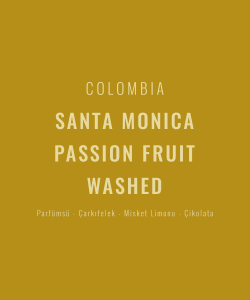
Coffeerem Roastery Kenya Masai AA Top
The jasmine opens at 150F and the cup becomes something different: cherry-forward at serving temperature, floral and stone-fruit-sweet as it cools.
studio-caffeine
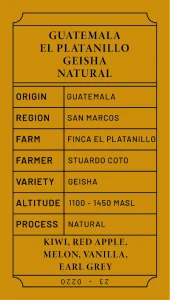
Studio Caffeine Kenya Nyeri Othaya FCS Gura Factory AA Top
Built for the pour-over drinker who wants Nyeri fruit at its most defined: the Gura Factory AA delivers SL-28/SL-34 acidity and a raspberry-to-citrus arc over almost no body.
Guides & explainers
Common questions
What are the main coffee processing methods?
Three dominate, plus one regional method. Washed removes all the fruit before drying. Natural dries the whole cherry with the bean still inside. Honey leaves part of the sticky mucilage on during drying. Wet-hulled, used across Indonesia, hulls the bean at high moisture for an earthy, low-acid cup.
What is the difference between washed and natural coffee?
When the fruit comes off. Washed coffee is de-pulped and fermented clean before drying, so the cup is bright, clean, and acidity-forward. Natural coffee dries inside the whole cherry, so fruit sugars ferment into the bean, giving heavier body and bold berry sweetness. Washed shows the bean; natural shows the fruit.
Does honey processed coffee contain honey?
No. Honey process uses no honey at all. The name refers to the sticky, honey-like mucilage left clinging to the bean as it dries. That layer ferments slightly and adds sweetness and body, landing between a clean washed coffee and a fruity natural. Producers grade it yellow, red, or black by how much they leave on.