What Earthy and Smoky Notes in Coffee Are
Earthy and smoky sit at the dark, heavy end of the coffee spectrum, the far side from Ethiopian brightness. Both have real audiences and both are built on chemistry, but they come from completely different places: one from a processing method, the other from the roast.
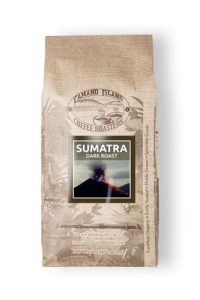
Earthy is the signature of the wet-hull process, the Giling Basah method used across Indonesia. Hulling the bean while it is still damp and exposing it to a humid second drying builds 2-methylisoborneol and related terpenoids, the very compounds that make rain on warm soil smell the way it does. Camano Island Coffee Roasters Sumatra carries this at full strength: cedar, forest floor, and a deep dark-chocolate weight underneath.
Smoky comes from the roast itself, dark development pushing past caramelization toward controlled carbonization. It is not char and not a defect. It reads as warmth, a campfire in the distance. Kicking Horse 454 Horse Power and Community Coffee Signature Blend Medium-Dark carry mild smoke as a support note under dark chocolate and molasses.
Cedar, Forest Floor, and the Wet-Hull Signature
Cedar is the dry, woody note that separates real Sumatran coffee from a generic idea of earthiness. It reads clean and dry rather than musty, the smell of a cigar box more than a damp cellar. Camano Island Sumatra is the clearest example in the catalog.
The wet-hull process is what makes all of this possible, and it is worth picturing. After pulping, the beans are dried only partway, then hulled while still soft and high in moisture, then dried again in the humid Sumatran air. The bean swells, takes on an irregular shape and a blue-green cast, and emerges with the low acidity and heavy, earthy body no washed coffee can match. Wash a Sumatran coffee instead and it tastes like a different origin entirely.
How to Brew Earthy and Smoky Coffee
Reach for full immersion. French press is the match: the metal filter lets the heavy oils and body through where a paper filter would strip them, and the sediment reinforces the earthy depth. Coarse grind, a four to five minute steep. Cold brew works beautifully too, pulling a thick, low-acid concentrate with the earth and chocolate amplified. Drip is fine. Pour over is the one method to skip, since the paper filter thins exactly the body that gives these notes their context.
Who Earthy and Smoky Coffee Is For
Drinkers who find brightness and acidity unpleasant, and dark-roast loyalists who want more than plain bitterness. The earthy complexity of a good Sumatran reads as sophisticated rather than cheap-burnt, a cup with weight and shadow. It suits the person who drinks coffee for substance, in the morning, without milk or apology.
It is the wrong cup for anyone who wants clarity, fruit, or a clean acidic finish. Earthy and smoky notes are the opposite of bright, and through a pour over they will read as muddy. Choose this end of the spectrum on purpose, or not at all.
Frequently Asked Questions
- Why does Sumatran coffee taste earthy?
- The wet-hull (Giling Basah) process. Hulling the bean while damp and drying it in humid air builds terpenoid compounds, including the one responsible for the smell of rain on soil. It is a feature of the process, not a defect, and no other method produces it.
- Is smoky coffee burnt?
- Not in a good cup. Smokiness is controlled carbonization from a dark roast, a warm campfire note rather than acrid char. Genuinely burnt coffee tastes ashy and bitter; a well-judged smoky note tastes deep and warm.
- What is low-acid coffee, and is this it?
- Yes. The wet-hull process strips much of the acidity along the way, so earthy Sumatran coffees are among the lowest-acid origins available, which is why they are a frequent recommendation for drinkers sensitive to coffee acidity.