What Medium Roast Does to Coffee Medium roast reaches 415–435°F, just after first crack and before second crack begins. Sugars…
Browse Medium Roast →Browse by Roast Level
Coffee Roast Levels
Coffee roast levels are the one variable the roaster fully controls, and they decide how much origin flavor survives versus how much roast flavor takes over. Roast is measured by how far the bean goes through two audible milestones: first crack, around 390 to 410F, and second crack, around 437 to 446F. Where the roaster stops sets everything from acidity to body to color.
This hub covers the levels we track: light, light-medium, medium, medium-dark, and dark. Each page explains what the roast does to flavor, which origins and brew methods suit it, and which reviewed beans land there.
The trade-off is simple. Light roasts stop near first crack and protect the bean's origin character: bright acidity, fruit, and floral notes. Dark roasts push into second crack and trade that origin clarity for body, bittersweet chocolate, and smoke. Medium sits in between and is the most forgiving daily range. Roast level barely changes caffeine, despite the myth. Pick the level that matches the flavor you want, not the strength you think it carries.
All Roast Levels
What Light Roast Does to Coffee Light roast reaches 385–400°F internally. The bean never fully caramelizes — the natural sugars…
Browse Light Roast →What Dark Roast Does to Coffee Dark roast reaches 455–475°F, well into second crack. Sugars carbonize — the sweetness tips…
Browse Dark Roast →What Light-Medium Roast Does to Coffee Light-medium sits between the first and second crack — roughly 400–415°F. The bean develops…
Browse Light-Medium Roast →What Medium-Dark Roast Does to Coffee Medium-dark reaches 435–455°F, into the early stages of second crack. Caramelization shifts toward darker…
Browse Medium-Dark Roast →Highest-rated coffees
coffea-circulor
Coffea Circulor Panama Hacienda La Esmeralda Private Velo WX
For pour-over brewers chasing what Hacienda La Esmeralda's Geisha can deliver at its ceiling, this cup provides: citric brightness and honey sweetness in a frame so light it barely registers as body.
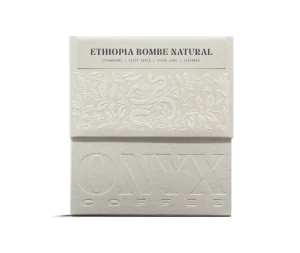
onyx-coffee-lab
Onyx Coffee Lab Panama Finca Deborah Nirvana Gesha
At the price Finca Deborah Gesha lots command, you get maximum floral intensity plus the concentrated grape-soda fermentation character the anaerobic process stacks on top.
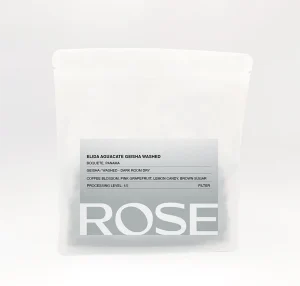
rose-coffee-roasters
Rose Coffee Roasters Hacienda La Esmeralda Geisha El Velo Natural
Produces grape-and-citrus intensity across pour over, drip, and French press, the anaerobic natural process amplifying Boquete Geisha into something fruitier and denser than the varietal's standard profile.
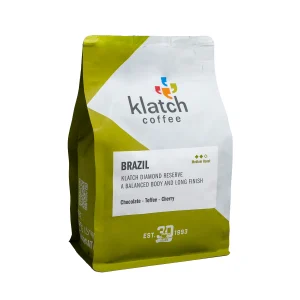
klatch-coffee
Klatch Coffee El Salvador Jasal Orange Geisha Anaerobic Natural
Cherry and apricot liqueur upfront, with a sweetness that persists through the full temperature drop and never tips into jammy.
arkib-kopi
Arkib Kopi Colombia El Diviso Sidra
Strawberry-forward acidity and a sake-inflected fermentation finish: this is what the El Diviso Estate's Borbon Sidra varietal produces under anaerobic conditions, and nothing about it reads as familiar.
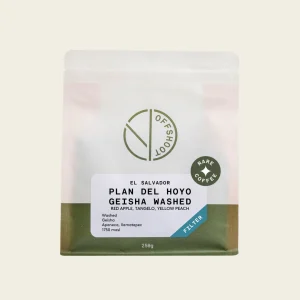
offshoot-coffee-roasters
Offshoot Coffee Roasters Sebastian Ramirez Pink Bourbon Honey Rare
Citrus brightness opens, peppercorn spice rises mid-cup, and a mint-chocolate cool arrives at the finish: a specific arc the body holds steady, with bitterness staying out of the picture entirely.
Guides & explainers
Common questions
What are the different coffee roast levels?
From lightest to darkest: light, light-medium, medium, medium-dark, and dark. Roasters track them by two cracking sounds. Light roasts stop near first crack, around 400F, keeping bright origin flavor. Dark roasts run into second crack, past 440F, trading that for body, bittersweet depth, and smoke. Medium sits between them.
Does dark roast have more caffeine than light roast?
No, that is a myth. Caffeine is stable during roasting and barely changes. Measured by weight, light and dark are nearly identical, with light holding a hair more. Measured by scoop, light roast wins slightly because the denser beans pack more per spoon. Dark tastes stronger; it is not.
Which roast level is best for espresso?
Medium-dark and dark are the traditional espresso choices. They give the low acidity, heavy body, and thick crema that pressure brewing rewards, and they are forgiving to dial in. Light-roast espresso is possible and increasingly popular, but it turns sour and finicky without precise grinding and temperature control.