What Espresso Does to Flavor
Espresso forces near-boiling water through finely ground coffee at 9 bars of pressure in 25–30 seconds. That pressure extracts compounds faster and at higher concentration than any other brew method. The result: a 1–2 oz shot with intense flavor, thick body, and a layer of emulsified oils called crema.
The pressure amplifies everything. A clean bean tastes cleaner. A bitter or acidic bean becomes more so. There's no hiding flaws in espresso.
What Bean Characteristics Suit Espresso
Medium to dark roast. Light roast espresso is possible and practiced in specialty coffee, but it demands a precise grinder, dialed extraction, and higher water temperature — it's not forgiving. For most setups, medium-dark is the sweet spot: enough development to reduce harsh acids without burning off all the aromatics.
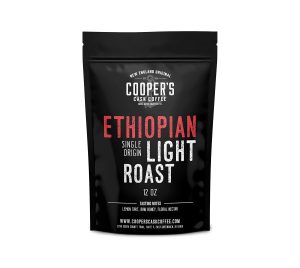
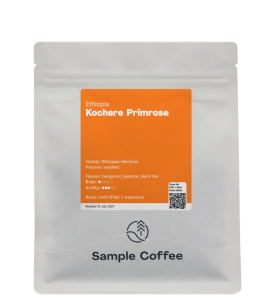
Low-to-medium acidity. High-acid beans pull sharp and sour at espresso parameters. Ethiopian light roasts need a very short pull or they turn acidic fast.
Good body and crema production. Brazilian and Indonesian origins contribute crema. Robusta adds crema dramatically but at the cost of bitterness.
A blend, often. Single-origin espresso can be exceptional, but most great espresso blends pull from multiple origins for balance — Colombian for brightness, Brazilian for crema and body, Indonesian for depth.
Common Failure Mode
Sour or thin shot: under-extraction. Grind finer, extend pull time, or raise water temperature. A 20-second shot from a medium-dark roast is likely under-extracted. Aim for 25–28 seconds for most setups.
Bitter, harsh shot: over-extraction or too dark a roast. Grind coarser, shorten pull, or switch to a medium-dark instead of dark roast.
No crema: stale beans. CO2 off-gasses from roasted coffee in days. Espresso beans should be used within 2–4 weeks of roast date. Check the roast date on the bag — a bag with no roast date is probably old.
Frequently Asked Questions
- Does espresso have more caffeine than drip?
- Per ounce, yes — a double shot at 2 oz has roughly 120–150mg caffeine. But an 8 oz drip cup has 80–120mg from a larger volume. Per serving, they're comparable. Per volume, espresso wins.
- Do I need a $2,000 machine to make good espresso?
- No. A decent semi-automatic at $300–600 with a quality burr grinder produces shots that beat most café espresso. The grinder matters as much as the machine. A cheap grinder with an expensive machine produces mediocre espresso. Invest in the grinder first.
- What's the difference between espresso beans and regular coffee beans?
- Marketing. Any coffee bean can be brewed as espresso. "Espresso blend" means the roaster calibrated it for espresso extraction parameters — typically a medium-dark roast with balanced acidity and body. It's a brew-method optimization, not a different product.