Browse by Origin
Coffee Origins
Coffee origins are the single biggest lever on what ends up in your cup. The country, the altitude, the soil, and the processing tradition of a growing region shape acidity, body, and flavor long before a roaster touches the beans. An Ethiopian washed coffee and a Sumatran wet-hulled coffee are not two versions of the same drink. They are opposites.
This hub maps every origin we track, from the bright, floral highlands of Ethiopia to the earthy depth of Sumatra and the chocolate-and-nut backbone of Brazil. Each origin page breaks down what the coffee actually tastes like, why it tastes that way, which brew methods suit it, and which of our reviewed beans come from there.
Use origin as a shortcut. If you want bright and fruit-forward, start with Ethiopia or a high-grown Latin American. If you want low-acid weight for a French press, go to Sumatra. If you want a forgiving daily driver, Colombia and Nicaragua are built for it. Pick a region below and read what to expect, then follow it straight to a bean.
All Origins
Central America
Costa Rica
Dominican Republic
El Salvador
Guatemala
Hawaii
Honduras
Jamaica
Mexico
Nicaragua
Panama
Browse North America →
What "Latin America" Means on a Coffee Label When a bag says Latin American blend, it is drawing from some…
Browse Latin America →Highest-rated coffees
coffea-circulor
Coffea Circulor Panama Hacienda La Esmeralda Private Velo WX
For pour-over brewers chasing what Hacienda La Esmeralda's Geisha can deliver at its ceiling, this cup provides: citric brightness and honey sweetness in a frame so light it barely registers as body.
rose-coffee-roasters
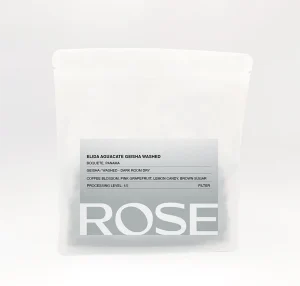
Rose Coffee Roasters Hacienda La Esmeralda Geisha El Velo Natural
Produces grape-and-citrus intensity across pour over, drip, and French press, the anaerobic natural process amplifying Boquete Geisha into something fruitier and denser than the varietal's standard profile.

onyx-coffee-lab
Onyx Coffee Lab Panama Finca Deborah Nirvana Gesha
At the price Finca Deborah Gesha lots command, you get maximum floral intensity plus the concentrated grape-soda fermentation character the anaerobic process stacks on top.
arkib-kopi
Arkib Kopi Colombia El Diviso Sidra
Strawberry-forward acidity and a sake-inflected fermentation finish: this is what the El Diviso Estate's Borbon Sidra varietal produces under anaerobic conditions, and nothing about it reads as familiar.
ilse-coffee
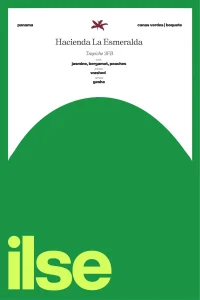
Ilse Coffee Ecuador Juan Pena Gesha
Citrus-sharp at first contact, jasmine through the mid-palate, and honey sweetness on a finish that exits without drag.
jacu-coffee-roastery
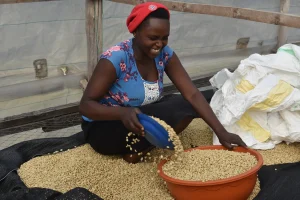
Jacu Coffee Roastery Colombia El Placer Gesha White Honey
Pour over and drip both return the same thing: grapefruit brightness cutting through caramelized sweetness, with mint and dried date underneath, at an acidity level few Colombian lots reach.
Common questions
Does coffee origin really change the taste?
Yes, more than any other single factor before roasting. Altitude, climate, soil, and the local processing tradition set a coffee's acidity, body, and base flavors. A high-grown washed Ethiopian tastes floral and bright. A wet-hulled Sumatran tastes earthy and heavy. Same plant, completely different cup.
What is single origin coffee?
Single origin coffee comes from one source: one country, and often one region, farm, or single harvest, rather than a blend of beans from several countries. The point is to show the character of that one place. Blends instead mix origins for consistency and a repeatable flavor.
Which coffee origin is best for beginners?
Colombia and Nicaragua are the most forgiving starting points. Both deliver mild acidity, medium body, and clear caramel and chocolate notes that survive brewing mistakes. Save high-acid Ethiopian light roasts for once you know what brightness you like. Start smooth, then explore toward the extremes.