coffeein
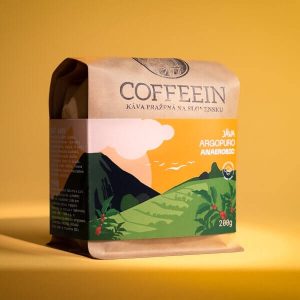
Coffeein El Salvador Santa Ana
Maximum sweetness delivered as stone fruit and caramel, from a Bourbón varietal with enough inherent sweetness to carry through medium-dark heat.
Cold brew steeps coarsely ground coffee in cold water for 18–24 hours. Cold water extracts differently than hot: fewer acids, more sweetness, heavy body, almost no bitterness at correct steep times. The result is a concentrate — smooth, sweet, and shelf-stable for 1–2 weeks refrigerated.
Cold brew eliminates acidity. This is the point for some drinkers (acid reflux, sensitive stomachs) and a loss for others (bright single origins taste flat as cold brew). High-acid coffees are wasted in cold brew. The method favors dark, full-bodied beans.
Dark to medium-dark roast. The long steep extracts bitterness slowly — dark roast bitterness is muted by the cold extraction process in ways that hot extraction amplifies. Beans that taste harsh in hot espresso often taste excellent cold brewed.
Full body. Cold brew is a concentrate — diluted 1:1 with water or milk before serving. Beans with heavy body (Sumatra, dark roasts, Brazilian-heavy blends) stand up to dilution. Lighter beans taste thin after dilution.
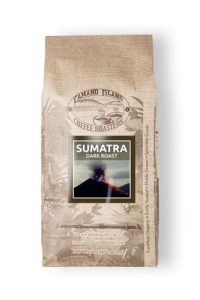
Low-to-medium acidity. The method already strips acidity — starting with a low-acid bean produces an extremely smooth, almost syrupy concentrate. Camano Island Sumatra and Death Wish are excellent cold brew choices.
Ratio: 1:8 (1g coffee per 8g cold water) for concentrate, 1:12 for ready-to-drink. Grind: coarse (coarser than French press). Steep: 18–24 hours at refrigerator temperature. Filter through a fine mesh or paper filter. Dilute 1:1 before drinking if using concentrate ratio.
Over-steeping at room temperature produces bitterness. Refrigerator steeping is slower and safer — keep it cold throughout.
Maximum sweetness delivered as stone fruit and caramel, from a Bourbón varietal with enough inherent sweetness to carry through medium-dark heat.
The medium-dark roast on this natural-process Colombian buys consistency and full body at the cost of the rawer fermentation character a lighter pass would have kept.
Built for the french press and cold brew drinker who wants thick sweetness and full body, this peaberry runs the medium-dark roast as its primary engine and delivers a maple-warm, low-acid cup that holds up across all three methods.
Blackberry jam holds at maximum roast intensity; the natural process has enough fruit mass to survive the heat and give this cup something to show for its Guji sourcing.
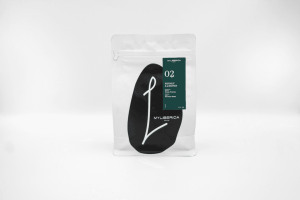
Wild ginger and black tea from a Malaysian Liberica, roasted medium-dark to build maximum body while preserving the varietal's spice character.
Dark chocolate opens the cup, then blackberry and honey arrive and follow through to the finish, which is not what maximum roast intensity typically allows.
Brews dense and sweet across every method it was designed for, with a full-bodied chocolate-caramel base that survives dilution and long steeps without giving up texture.
Two hundred hours of anaerobic fermentation built real character into this Colombian; the dark roast decided what survived.
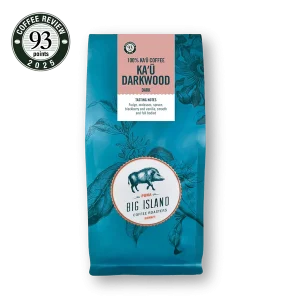
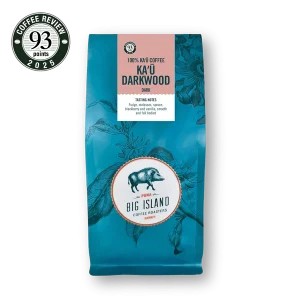
Dark chocolate and pink peppercorn spice up front, sweetness that holds where most maximum-roast darks go flat, but the Kona origin's terroir character has been roasted past the point of register.
Dark chocolate and loamy earth from the first sip, syrupy through the finish, with the roast at maximum and the origin compressed to its most durable character.
The price buys real body and lasting sweetness despite maximum roast intensity, though nothing in the cup traces back to any of the three origins.
The roast has consumed most of what Ka'ū's terroir offers, but the Maragogipe varietal keeps enough sweetness alive to separate this from an ordinary dark.
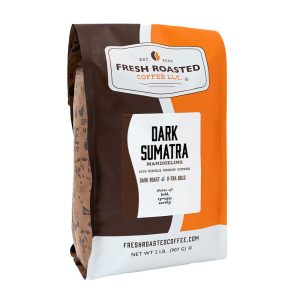
The roast has consumed most of what makes Sumatra Mandheling worth seeking by name, but the 5/5 body and surviving brown sugar sweetness make this a dependable heavy dark for french press and cold brew.
The body lands first: dense and earthen, with dark cocoa weight and a wet hull spice note the roast cannot erase.
Built for the French press or drip drinker who wants maximum dark roast presence without the acrid finish, Teddy's Blend leans on natural-process Rwanda sweetness to keep the bitterness from running the whole cup.
Dark chocolate bitterness with a caramel-sweetness backbone that keeps the cup from going flat, but the roast has consumed most of what Nicaragua originally offered.
Maximum roast intensity trades every trace of origin character for a heavy, chocolate-forward cup that stays controlled on bitterness despite running the roast dial all the way up.
The roast decision here runs Sumatra's Giling Basah earthiness to maximum intensity, delivering serious body and dark-chocolate weight while compressing the cedar origin character into a secondary note.