perky-blenders-coffee-roasters
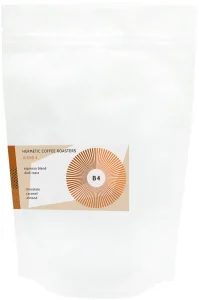
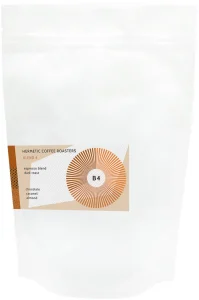
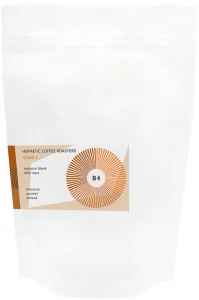
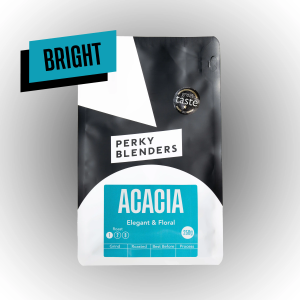
Perky Blenders Coffee Roasters Anthem Blend
Orange zest and caramelized sweetness arrive at full volume, sustained by a body heavier than most medium blends can manage.
Brazilian coffee is low-acid, full-bodied, and built on chocolate and nut. The flavor runs milk chocolate, hazelnut, and brown sugar, sometimes with a mild caramel, over a clean finish that does not linger. It is not a complex cup, and it does not try to be. It is reliable, round, and approachable, the taste most people picture when they picture coffee.
Brazil is not an origin you buy for single-origin adventure. It is the origin that makes blends work. Most commercial espresso blends are somewhere between half and three-quarters Brazilian, and for good reason: the low acidity keeps the shot from turning sour, the natural process lends sweetness, and the heavy body throws a thick, convincing crema.
Brazil grows coffee low, between roughly 600 and 1,200 meters, well below Ethiopia or Colombia. Lower altitude means faster cherry development and less acidity, which is the root of Brazil's smooth, mellow character. The natural, or dry, process dominates: whole cherries dry in the sun with the seed inside, and the fruit's sugars ferment inward, adding sweetness and a soft chocolate depth.
Scale shapes the rest. Brazil produces roughly a third of the world's coffee, and most of it is mechanically harvested and processed for consistency at volume rather than for peak complexity. That is why Brazilian coffee is the dependable, affordable base of the global blend rather than a showpiece single origin.
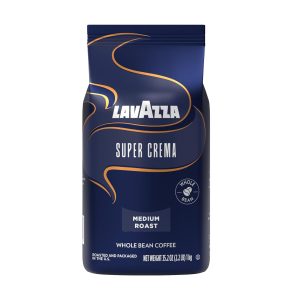
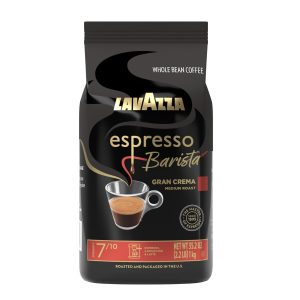
Espresso and moka pot benefit most. The low acidity guards against sour shots, the body builds crema, and the chocolate-and-nut profile survives the heat and pressure of extraction intact. Lavazza Super Crema leans on Brazilian beans for exactly this. Drip and French press give a smooth, easy cup. Pour over is the one method that exposes Brazil's limits: brewed bright and clean as a single origin, it can read as flat, because there is little acidity or complexity for the method to reveal.
Espresso drinkers who want low-acid shots with good crema, and anyone who prefers chocolate and nut over fruit and brightness. If you drink commercial blends and enjoy them, Brazilian is most of what you are tasting already. It is comfortable, consistent, and friendly with milk.
It is not for the drinker chasing acidity, clarity, or surprise. Brazil is the steady backbone, not the soloist. For fruit and floral fireworks, look to a high-grown washed coffee; for the dependable heart of an espresso, Brazil is hard to beat.
Orange zest and caramelized sweetness arrive at full volume, sustained by a body heavier than most medium blends can manage.
Dried apricot opens heavy, the body stays through to the end, and nothing bitter chases it.
Built for espresso and moka pot drinkers who've cycled through grocery blends that thin out in milk and darks that turn one-note under a long pull, Black Cat delivers maximum body and high sweetness with enough acidity to keep the shot three-dimensional.
Full-bodied from the first pull to a sweet, slow finish: three origins stacked into a cup that earns its espresso weight on density and sweetness alone.
This blend performs across drip, pour over, and french press with the same core payoff: a hazelnut-cocoa base with black blueberry jam that surfaces as the cup temperature drops.
Dark chocolate and caramelized sweetness at maximum intensity: a medium-roast blend that earns its weight through sourcing, not through roasting time.
Acidity at 1/5 means the cup has no lift. The dulce de leche sweetness and maximum body are the compensation, and they are substantial.
Cocoa powder on the swallow and honey in the weight: this washed Brazilian medium is built around sweetness, and it delivers on that completely.
Brews dense and sweet across every method it was designed for, with a full-bodied chocolate-caramel base that survives dilution and long steeps without giving up texture.
Dense through espresso and forgiving in a moka pot, with baking spice and dark chocolate that survive the roast where similar blends flatten out.
The cup delivers what the spec sheet promises: maximum body, maximum sweetness, and dried fruit character from Sul De Minas heritage arabica that performs without demanding anything unusual from the brewer.
Dark chocolate opens the cup and carries to the finish; the sweetness underneath, preserved at maximum roast intensity, is the honest differentiator from dark blends that have nothing left but bitterness.
The blend flattens three origins into a single, predictable profile, but the body is real and the low acidity makes it forgiving on home espresso equipment.
Medium roast, chosen to keep the Brazil base neutral so the flavoring system can run the cup unchallenged. The trade is complete origin erasure before you open the bag.
The decision to roast this at maximum intensity sacrifices a four-origin blend's potential for a single, predictable register: heavy body and cocoa-powder bitterness that holds under milk but flattens black.
The large-format bag signals this as a volume buy, and the cup delivers on that positioning: thick body and persistent crema, with low acidity that tolerates minor extraction variation without complaint.
The three-origin sourcing promises complexity the medium-dark roast does not deliver, but the substantial body carries across drip, french press, and espresso without falling apart.
Maximum roast intensity has stripped origin character from all three source countries, leaving a cup heavy in body and bitterness that earns its keep under milk but has little to offer black.