counter-culture-coffee
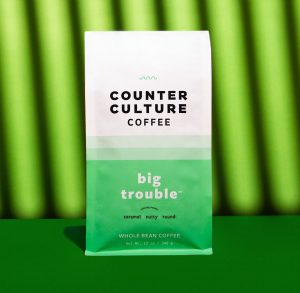
Counter Culture Hologram
Bright citrus opens it, caramel sweetness fills the mid-palate, and the finish closes without bitterness clouding the end of the cup.
When a bag says Latin American blend, it is drawing from some combination of Colombia, Brazil, Guatemala, Honduras, Peru, and their neighbors. The label names a category, not a single farm or country. What it reliably promises is a recognizable shape: moderate acidity, chocolate and caramel notes, a medium-to-full body, and a forgiving brew profile that holds up under almost any method.
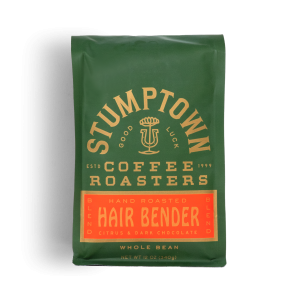
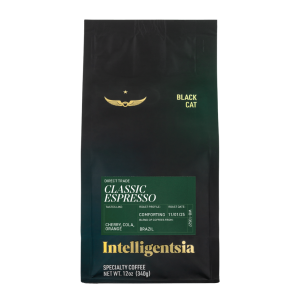
Latin American blends are the backbone of commercial espresso. Stumptown Hair Bender, Intelligentsia Black Cat, Counter Culture Big Trouble, Café Bustelo, and Peet's Major Dickason's all draw on Latin American origins. What separates them is roast level, sourcing quality, and blend ratio, not the region itself. The category is the canvas; the roaster decides the picture.
Consistency, above all. A single crop varies from harvest to harvest, but blending across several Latin American countries lets a roaster hold last year's flavor steady even when this year's Colombian comes in different. The range of altitudes and producers within the region also allows precise blending: Colombian for brightness, Brazilian for body and crema, a Guatemalan or Honduran lot for depth. The blend is a recipe, tuned to repeat.
These blends are designed for espresso and drip, and it shows. The body holds up to heat, and the moderate acidity does not turn sour under pressure. A well-sourced Latin American blend pulled as espresso is, more or less, what a dialed-in shot at a good cafe tastes like. Drip and French press are equally at home. There is little to get wrong here, which is part of the point.
Drinkers who want a reliable espresso or a solid morning drip without paying single-origin prices, and anyone who drinks commercially sourced coffee daily and enjoys it. If that is you, you are most likely already drinking a Latin American blend, and the better examples on the shelf are a clear step up from the cheapest.
It is not the place to look for the loud individuality of a single origin. A blend is built for balance and repeatability, not for the strawberry of a natural Ethiopian or the cedar of a Sumatran. For character, go single origin; for a dependable everyday cup, the blend is the smarter buy.
Bright citrus opens it, caramel sweetness fills the mid-palate, and the finish closes without bitterness clouding the end of the cup.
The caramel arrives first, the milk chocolate holds through the finish, and the bitterness stays low enough that you get sweetness where most espresso blends put heat.
Pour over and drip drinkers who want body, citrus definition, and almost no bitterness from a forgiving blend: the Alchemy is built precisely for that cup.
The Monarch's medium-dark roast is a deliberate trade: origin character gives way to extraction reliability, and for an espresso blend built around milk-based drinks, that exchange holds up.
Red fruit leads, milk chocolate catches at the finish, and the cup stays sweet regardless of brew method.
Bittersweet chocolate anchors every cup, and the East Africa component brings enough citrus to keep it from running flat.
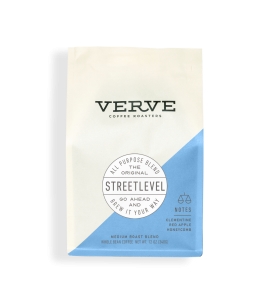
The Sermon costs what Verve charges for its beans; what you get for that price is a medium-dark espresso blend that preserves cherry acidity at a roast level where most blends have already lost that brightness entirely.
The roast decision here was to push sweetness as far as it goes while the washed process holds acidity in place, and the blend delivers a caramel-forward cup that earns the name.
The washed process and medium roast here make one deliberate trade: origin transparency for sweetness delivery, and Ruby executes that trade well.
Dark chocolate up front, a cherry note that outlasts the roast, and enough body to anchor milk drinks without bitterness dragging the cup down.
At $1.46 an ounce, Intelligentsia's name carries part of the price; the low acidity and genuine body carry the rest.
The blend format keeps either origin from reaching full expression, but the near-absent bitterness and cherry-brown sugar clarity make a drip or pour over cup that earns its place.
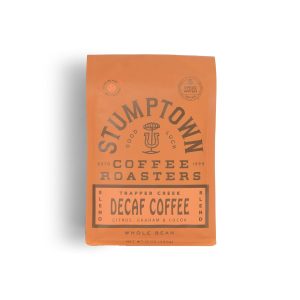
Handles espresso, drip, and french press without the bitterness that typically betrays a dark decaf at high roast intensity.
Caramel sweetness from the first sip, a suggestion of fruit through the middle, and a finish that drops without dragging anything bitter with it.
The roast has compressed most of the origin character, but the 4/5 body and controlled bitterness make this a capable espresso blend for lattes and milk drinks.
The red fruit lifts mid-cup as it cools, pulling what starts as a caramel base into a second register that gives the pour over something to reveal.
Blue Bottle's price for a blend that delivers real body and a dried fruit lift over chocolate, but the cup earns only part of what the label charges.
The drinker who runs auto-drip or pour over most mornings and wants a light roast that doesn't turn harsh at variable extraction: the House Blend is built for that routine.