What Drip Does to Flavor Drip / auto brewing runs hot water through a paper filter and a bed of…
Browse Drip / Auto →Browse by Brew Method
Coffee Brewing Methods
Coffee brewing methods fall into three mechanics: immersion, percolation, and pressure. Everything from a French press to an espresso machine is a variation on how water meets ground coffee and for how long. Get the method right for the bean and a cheap coffee tastes good. Get it wrong and a great coffee tastes flat.
This hub covers every method we brew for and review against: espresso, moka pot, French press, pour over, drip, AeroPress, Chemex, and cold brew. Each page explains the grind, ratio, and water temperature that method needs, the flavors it pulls forward, and which of our reviewed beans suit it best.
The short version: immersion methods like French press and cold brew give body and forgiveness. Percolation methods like pour over and drip give clarity and reward precision. Pressure methods like espresso and moka pot give intensity and crema but punish a bad grind. There is no single best brewer. There is the one that matches your beans, your time, and your morning. Pick a method below.
All Brew Methods
What Pour Over Does to Flavor Pour over (Chemex, Hario V60, Kalita Wave) forces hot water through a paper filter…
Browse Pour Over →What French Press Does to Flavor French press is full immersion: coarsely ground coffee steeps in hot water for 4…
Browse French Press →What Espresso Does to Flavor Espresso forces near-boiling water through finely ground coffee at 9 bars of pressure in 25–30…
Browse Espresso →What AeroPress Does to Flavor AeroPress combines immersion brewing with pressure — coffee steeps for 1–3 minutes, then pressure forces…
Browse AeroPress →What the Moka Pot Does to Flavor The moka pot forces steam pressure (around 1–2 bars, not 9 like espresso)…
Browse Moka Pot →What Cold Brew Does to Flavor Cold brew steeps coarsely ground coffee in cold water for 18–24 hours. Cold water…
Browse Cold Brew →What Chemex Does to Flavor The Chemex paper filter is 20–30% thicker than standard pour over filters. It removes more…
Browse Chemex →Highest-rated coffees
coffea-circulor
Coffea Circulor Panama Hacienda La Esmeralda Private Velo WX
For pour-over brewers chasing what Hacienda La Esmeralda's Geisha can deliver at its ceiling, this cup provides: citric brightness and honey sweetness in a frame so light it barely registers as body.
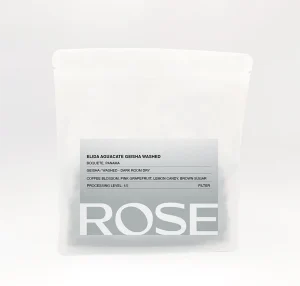
rose-coffee-roasters
Rose Coffee Roasters Hacienda La Esmeralda Geisha El Velo Natural
Produces grape-and-citrus intensity across pour over, drip, and French press, the anaerobic natural process amplifying Boquete Geisha into something fruitier and denser than the varietal's standard profile.
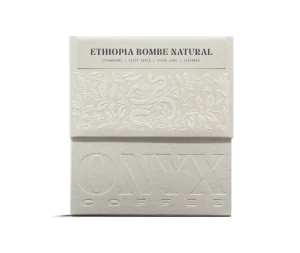
onyx-coffee-lab
Onyx Coffee Lab Panama Finca Deborah Nirvana Gesha
At the price Finca Deborah Gesha lots command, you get maximum floral intensity plus the concentrated grape-soda fermentation character the anaerobic process stacks on top.
arkib-kopi
Arkib Kopi Colombia El Diviso Sidra
Strawberry-forward acidity and a sake-inflected fermentation finish: this is what the El Diviso Estate's Borbon Sidra varietal produces under anaerobic conditions, and nothing about it reads as familiar.
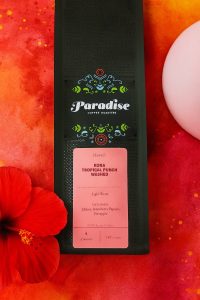
paradise-coffee-roasters
Paradise Coffee Roasters Kona Tropical Punch
$11.67 per ounce buys a Geisha-SL-34 Kona lot shaped by yeast fermentation, delivering pineapple and orange zest acidity with almost no bitterness to muddy it.
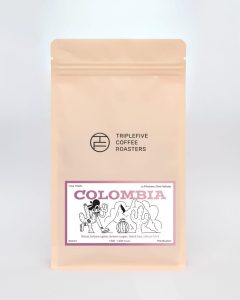
triple-five-coffee-roasters
Triple Five Coffee Roasters Tanzania Geisha
At pour over and drip, this Tanzanian Geisha runs at maximum acidity with a citrus-floral front and a molasses warmth underneath that only surfaces as the cup cools.
Guides & explainers
Guide
Coffee Grind Size Guide: Match Your Grind to Your Brew
Grind size is the biggest lever over taste. A grind chart for espresso, pour-over, drip, French press and cold brew, plus how…
Read guide →
Guide
Cold Brew Coffee: Ratios, Steep Times, and Method
Cold brew is not iced coffee. A 1:4 concentrate, extra-coarse grind, and 12 to 24 hours of steeping produce low-acid, naturally sweet…
Read guide →
Guide
How to Make French Press Coffee
Coarse grind, 1:15 ratio, four minutes, slow plunge. The French press is forgiving and produces a full-bodied cup no paper filter can…
Read guide →
Guide
What Is Coffee Bloom and Why Does It Matter?
Bloom is a 30-second pre-infusion that releases CO2 before the main brew. Fresh beans vent gas that blocks even extraction. Blooming fixes…
Read guide →
Guide
Why Is My Espresso Sour or Bitter? How to Fix It
Sour espresso is under-extracted, bitter is over-extracted. How to tell which shot you have and fix it, one variable at a time.
Read guide →
Common questions
What are the main coffee brewing methods?
They group into three categories. Immersion steeps grounds directly in water, like a French press, cold brew, or AeroPress. Percolation passes water through a bed of grounds, like pour over, drip, and Chemex. Pressure forces hot water through a tight puck, like espresso and a moka pot.
Which coffee brewing method is best?
There is no objective best. Pour over gives the cleanest, brightest cup and rewards attention. French press gives the most body and forgives mistakes. Espresso gives intensity but needs equipment and practice. The best method is the one whose flavor and effort match what you actually want each morning.
What is the difference between French press and pour over?
Filtration and contact. A French press is full immersion through a metal mesh, so oils and fine sediment stay in, giving a heavy, rich cup. Pour over passes water through paper, which traps the oils and produces a clean, bright cup that highlights delicate notes. Same beans, very different texture.