Mikava Coffee Gesha Espresso Blend
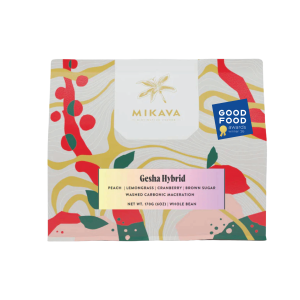
Espresso drinkers seeking floral complexity and citric brightness get a washed Red Gesha from Marsella, Risaralda pulling maximum acidity and sweetness into a cup that earns its specialty-tier positioning.
The moka pot forces steam pressure (around 1–2 bars, not 9 like espresso) through medium-fine ground coffee. The result is concentrated — stronger than drip, weaker than true espresso — with a bold, sometimes slightly bitter character. The cup is thick and full-bodied but without crema.
Moka pot is not espresso. The pressure is too low and the brew time too long. It's its own product: intense, approachable, and forgiving of slightly coarser grind than espresso demands.
Medium-dark to dark roast. The moka pot's slower extraction extracts bitterness easily from lighter roasts. Medium-dark is the safe zone: developed enough to resist bitterness, not so dark it burns.
Lower acidity. The concentrated extraction amplifies acidity. High-acid beans produce sharp, sour results in a moka pot.
Blends over single origins for most drinkers. Espresso-profile blends (Lavazza, Blue Bottle Hayes Valley, Café Bustelo) are calibrated for concentrated brewing and pull well from a moka pot.
Bitter, muddy moka pot: two likely causes. First: grind too fine — moka pot needs a medium-fine grind, not espresso-fine. Coffee ground for espresso compacts in the basket and over-extracts. Second: heat too high — the water should push through at a slow bubble, not a rushing boil. High heat drives steam faster than the coffee can absorb it, burning the extraction.
Fix: medium-fine grind, medium-low heat. The gurgle at the end of a moka pot brew should be slow and intermittent, not a sustained rush.
Espresso drinkers seeking floral complexity and citric brightness get a washed Red Gesha from Marsella, Risaralda pulling maximum acidity and sweetness into a cup that earns its specialty-tier positioning.
Anaerobic fermentation is the decision that defines this cup: it prioritizes fermented fruit and florals at the expense of roast structure, and at light-medium on Sidama Arbegona, that trade produces a profile other process methods cannot replicate.
Natural anaerobic processing trades the origin-defined clarity of a washed Quindío Colombian for saturated tropical sweetness and exceptional body: this is fruit-maximalist espresso, built for drinkers who want the fermentation character to lead.
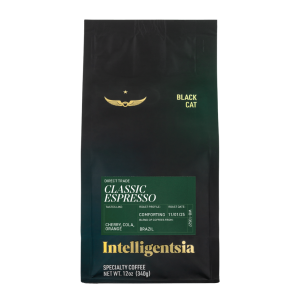
Built for espresso and moka pot drinkers who've cycled through grocery blends that thin out in milk and darks that turn one-note under a long pull, Black Cat delivers maximum body and high sweetness with enough acidity to keep the shot three-dimensional.
Orange brightness in the first third, raisin and orchard fruit through the center, hazelnut dryness at the close: medium-dark applied to a washed Panama with a specific espresso outcome in mind.
Pulls bright and sweet as a short espresso, with citrus-peach clarity that holds where a darker roast would have buried it.
Caramel sweetness on entry, raisin and amaretto pulling forward as the shot cools, and a shortbread-dry bitter close that resolves without dragging.
Full-bodied from the first pull to a sweet, slow finish: three origins stacked into a cup that earns its espresso weight on density and sweetness alone.
Built for the espresso or moka pot drinker who wants a bone-dense, toffee-forward shot from a traceable Huila lot, the Interval Espresso delivers maximum body and sweetness alongside equally maximum bitterness.
The drinker who needs espresso at 9pm without the caffeine and refuses to sacrifice acidity for it: this semi-washed medium is the right answer in the decaf category.
For the home espresso setup that needs body and sweetness in the shot, this medium washed blend pulls dense and grape-edged with enough structure to hold under steamed milk.
Dark chocolate and caramelized sweetness at maximum intensity: a medium-roast blend that earns its weight through sourcing, not through roasting time.
Afternoon solo-shot espresso: the Rwanda-Ecuador pairing runs grapefruit brightness through a honey-sweet base, with enough body to hold the shot together without milk.
At $1.46 an ounce, Intelligentsia's name carries part of the price; the low acidity and genuine body carry the rest.
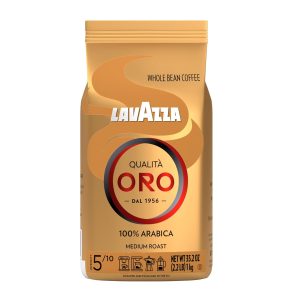
Lavazza chose washed processing across this multi-origin blend to lock in clarity, and the payoff is a consistently sweet, low-bitterness cup that holds up across every brew method on its label.
Dense through espresso and forgiving in a moka pot, with baking spice and dark chocolate that survive the roast where similar blends flatten out.
Dark chocolate opens the cup and carries to the finish; the sweetness underneath, preserved at maximum roast intensity, is the honest differentiator from dark blends that have nothing left but bitterness.
The blend flattens three origins into a single, predictable profile, but the body is real and the low acidity makes it forgiving on home espresso equipment.