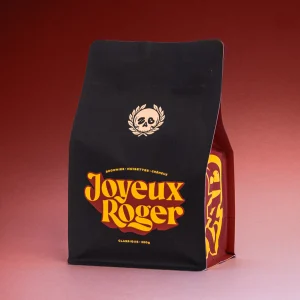
Zab Café Ethiopia – Hambela
Drip, pour over, and French press all carry the haskap and pomegranate through each format intact, because maximum sweetness at 5/5 keeps the fruit character from dissolving under roast weight.
Affiliate link. We earn a commission at no extra cost to you.
Profile
Tasting Notes
- Body registers as medium-weight in the cup: it supports the fruit character without coating the palate, and it doesn't deliver the heavy mouthfeel that natural-process coffees from this sub-region typically carry.
- Maximum sweetness (5/5) means raspberry and pomegranate arrive ripe from the first sip; neither note relies on bitterness contrast to land.
- Haskap adds a tart-edged distinction that sets this apart from the standard Ethiopian berry profile, landing between black currant and raspberry with more edge than either.
- Citrus runs underneath and lifts the mid-palate, keeping the sweetness from sitting flat on the swallow.
- Bitterness holds low (2/5) even through extended steep times, so French press doesn't degrade as the press sits.
Who It’s For
Pour over and drip are the right contexts: morning brewing when fruit-forward brightness is the goal, or midday when low bitterness makes a second cup easy. Black is the right approach; the haskap and pomegranate are the feature, and anything added to the cup competes with them.
The 3/5 body is lighter than most natural-process lots from this sub-region carry, and French press drinkers expecting a full, coating mouthfeel will find the cup underwhelming. Add dairy or oat milk and the haskap and pomegranate character that justifies the bag disappears entirely.
Full review
Hambela is a kebele in the Guji zone of Oromia, sitting at elevation where the extended growing season concentrates cherry sugars before harvest. Natural processing here means the whole cherry dries on the bean, and that fermentation period is what gives a Guji natural its fruit-forward character. The roasting decision matters at this origin: too much roast intensity and the haskap and pomegranate turn jammy, losing individual definition; too little and the 4/5 acidity cuts without sweetness to anchor it. Zab Café's medium roast threads that gap. The 5/5 sweetness in the sensory profile is not a generous evaluation; it reflects what the natural process and roast level preserved together.
Pour over brings out the most definition. The acidity sharpens through a paper filter, and the sweetness rises in proportion, so the haskap and pomegranate arrive with distinct edges rather than merging into a single generic berry blur. Drip performs nearly as well; the automated cycle softens the acidity, which opens the cup up and makes the body feel marginally more substantial. French press is the weakest format for this bean. The fruit character holds in immersion, but the 3/5 body doesn't fill out the cup the way natural-process brewing implies, and a longer steep pushes sweetness to the foreground at the cost of pomegranate and citrus detail.
The haskap note is the most distinctive thing in the cup. Haskap (blue honeysuckle berry) carries a tart-sweet edge between black currant and raspberry, specific enough to read as its own fruit. In a natural-process Ethiopian, that character comes from fermentation compounds that develop during cherry drying, not from added processing. Raspberry arrives behind it, brighter and more familiar. Pomegranate follows and pulls the acidity into focus, adding slight dryness that clarifies the mid-palate. Chocolate sits at the base as texture. Citrus lifts the final moment and keeps the sweetness from landing heavy.
The Speckled Ax Ethiopia Suke Quto Honey shares the fruit-forward sweetness story but arrives there by a different route. Honey processing retains some mucilage while shortening the fermentation period, which typically produces a cleaner sweetness with less tart edge. The Zab Café's full natural processing pushes further into the haskap-pomegranate range, making the fruit character more pronounced but also more variable from bag to bag. Natural-process lots can shift emphasis between their fruit notes depending on drying conditions, and buyers have no visibility into which expression arrives in a given shipment. On the performance side, this is not the Community Coffee Signature Blend, which is engineered for milk-drink reliability and delivers it without requiring the brewer's attention. The Zab Café asks for grind consistency and water temperature precision in ways that a commercial blend does not.
At $13.95 for 12 oz, the per-ounce cost is $1.163. What the buyer isn't getting at that price: a recognized brand name, the supply-chain consistency of a large roaster, or body substantial enough to make French press feel satisfying. What they are getting is a specialty-grade Guji natural at a fair entry point for the category, with haskap and pomegranate character that most mediums in this price tier don't carry. Available tracking data shows one price check at $13.95 with no movement. There is no seasonal dip on record to wait for.
The 4/5 acidity is high for a medium roast, and Hambela elevation is the explanation. The extended growing season at altitude builds acidity that survives medium-roast temperatures rather than baking out. Natural processing then introduces a fermentation variable: Guji lots from this sub-region can shift fruit emphasis from batch to batch, leaning haskap one time and pomegranate the next depending on drying conditions. The 2/5 bitterness holds consistently regardless of which expression arrives, so even a batch that leans less fruit-forward stays accessible without bitterness filling the gap that the fruit doesn't.
Keep pulling the thread: Medium roast guide, Guji, Ethiopia, Hambela origin guide, and more from Zab Café.
Price & History
Current price is $13.95 for 12 oz ($1.163/oz), and that figure is unchanged across all available tracking data. One check over 30 days means there's no trend to read and no discount to wait for. At this price for a specialty-grade Guji Hambela natural with a distinctive haskap-pomegranate character, the value holds. Buy when the profile fits the context.
► Show price history (25 days)
| Date | Price | Per oz |
|---|---|---|
| Jul 26, 2026 | $14.95 | $1.246 |
| Jul 25, 2026 | $14.95 | $1.246 |
| Jul 24, 2026 | $14.95 | $1.246 |
| Jul 23, 2026 | $14.95 | $1.246 |
| Jul 22, 2026 | $13.95 | $1.163 |
| Jul 20, 2026 | $14.95 | $1.246 |
| Jul 19, 2026 | $14.95 | $1.246 |
| Jul 18, 2026 | $14.95 | $1.246 |
| Jul 17, 2026 | $14.95 | $1.246 |
| Jul 15, 2026 | $14.95 | $1.246 |
| Jul 14, 2026 | $13.95 | $1.163 |
| Jul 13, 2026 | $13.95 | $1.163 |
| Jul 12, 2026 | $13.95 | $1.163 |
| Jul 11, 2026 | $13.95 | $1.163 |
| Jul 10, 2026 | $13.95 | $1.163 |
| Jul 9, 2026 | $13.95 | $1.163 |
| Jul 7, 2026 | $13.95 | $1.163 |
| Jul 5, 2026 | $13.95 | $1.163 |
| Jul 4, 2026 | $13.95 | $1.163 |
| Jul 1, 2026 | $13.95 | $1.163 |
| Jun 27, 2026 | $13.95 | $1.163 |
| Jun 25, 2026 | $13.95 | $1.163 |
| Jun 24, 2026 | $13.95 | $1.163 |
| Jun 22, 2026 | $13.95 | $1.163 |
| Jun 21, 2026 | $13.95 | $1.163 |
Rating
FAQ
What does Zab Café Ethiopia – Hambela taste like?
Body registers as medium-weight in the cup: it supports the fruit character without coating the palate, and it doesn't deliver the heavy mouthfeel that natural-process coffees from this sub-region typically carry. Maximum sweetness (5/5) means raspberry and pomegranate arrive ripe from the first sip; neither note relies on bitterness contrast to land. Haskap adds a tart-edged distinction that sets this apart from the standard Ethiopian berry profile, landing between black currant and raspberry with more edge than either.
Who is Zab Café Ethiopia – Hambela best for?
Pour over and drip are the right contexts: morning brewing when fruit-forward brightness is the goal, or midday when low bitterness makes a second cup easy. Black is the right approach; the haskap and pomegranate are the feature, and anything added to the cup competes with them.
Who should skip Zab Café Ethiopia – Hambela?
The 3/5 body is lighter than most natural-process lots from this sub-region carry, and French press drinkers expecting a full, coating mouthfeel will find the cup underwhelming. Add dairy or oat milk and the haskap and pomegranate character that justifies the bag disappears entirely.