starbucks
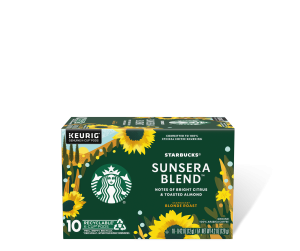
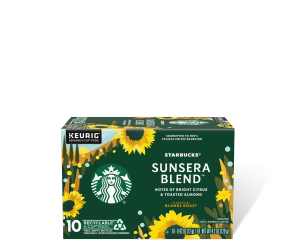
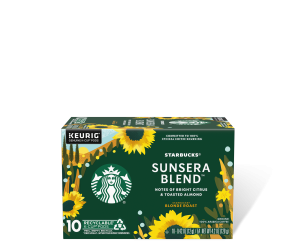
Starbucks French Roast
Starbucks pushed this roast to maximum intensity and traded every trace of Latin American or Asia-Pacific origin character for a cup defined by char and smoke.
When a bag says Latin American blend, it is drawing from some combination of Colombia, Brazil, Guatemala, Honduras, Peru, and their neighbors. The label names a category, not a single farm or country. What it reliably promises is a recognizable shape: moderate acidity, chocolate and caramel notes, a medium-to-full body, and a forgiving brew profile that holds up under almost any method.
Latin American blends are the backbone of commercial espresso. Stumptown Hair Bender, Intelligentsia Black Cat, Counter Culture Big Trouble, Café Bustelo, and Peet's Major Dickason's all draw on Latin American origins. What separates them is roast level, sourcing quality, and blend ratio, not the region itself. The category is the canvas; the roaster decides the picture.
Consistency, above all. A single crop varies from harvest to harvest, but blending across several Latin American countries lets a roaster hold last year's flavor steady even when this year's Colombian comes in different. The range of altitudes and producers within the region also allows precise blending: Colombian for brightness, Brazilian for body and crema, a Guatemalan or Honduran lot for depth. The blend is a recipe, tuned to repeat.
These blends are designed for espresso and drip, and it shows. The body holds up to heat, and the moderate acidity does not turn sour under pressure. A well-sourced Latin American blend pulled as espresso is, more or less, what a dialed-in shot at a good cafe tastes like. Drip and French press are equally at home. There is little to get wrong here, which is part of the point.
Drinkers who want a reliable espresso or a solid morning drip without paying single-origin prices, and anyone who drinks commercially sourced coffee daily and enjoys it. If that is you, you are most likely already drinking a Latin American blend, and the better examples on the shelf are a clear step up from the cheapest.
It is not the place to look for the loud individuality of a single origin. A blend is built for balance and repeatability, not for the strawberry of a natural Ethiopian or the cedar of a Sumatran. For character, go single origin; for a dependable everyday cup, the blend is the smarter buy.
Starbucks pushed this roast to maximum intensity and traded every trace of Latin American or Asia-Pacific origin character for a cup defined by char and smoke.
Sweetness comes up first and the bitterness never follows; the light roast did its job, and the cup is defined by what it chose not to become.
Pulls evenly through any home drip machine and the low bitterness keeps the cup approachable well past the first hour, but the deliberately neutral profile gives you nothing to hold onto.
For the drinker who treats coffee as fuel and not feature, this delivers a low-bitterness, light-bodied cup that sets no demands on the morning.
Cocoa powder on entry, a fast dry finish, and a price that reflects the Starbucks name more than what's in the cup.
The "Blue Mountain" name borrows prestige from one of coffee's most expensive origins; what's in the bag is a mild, washed Latin America grocery blend that lives in a very different category.
The medium roast and washed Latin America sourcing are decisions made for stability: every bag delivers the same mild, low-acid drip experience, and the price charges you for the brand name more than the cup.