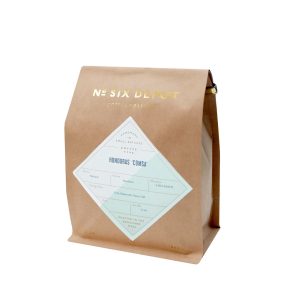
No. Six Depot Coffee Roasters Ethiopia Amaro Gayo
Blueberry and dried banana hit clean on a thin, high-acid frame; pour over is where this cup does its best work.
Affiliate link. We earn a commission at no extra cost to you.
Profile
Tasting Notes
- The body sits at 2/5, running water-weight throughout; the acidity and sweetness carry all structural interest, and the cup behaves closer to a washed light than to a dense, ferment-heavy natural
- Blueberry leads the mid-palate, reading as dried fruit through most of the extraction, which keeps the 5/5 acidity from turning sharp at the contact point
- Dried banana and baking spices layer below the fruit; the spice lands as mild cinnamon warmth, bolstering the sweetness without pushing into savory territory
- Aromatic wood emerges at the back and sharpens slightly as the cup cools, adding low-register depth to an otherwise fruit-forward profile
- The finish is dry and quick, the 2/5 bitterness leaving almost nothing on the swallow
Who It’s For
Specialty pour-over drinkers who seek out high-elevation Ethiopian naturals by growing area and are willing to pay boutique pricing for confirmed lot provenance. If origin specificity matters as much as what ends up in the cup, this is a straightforward buy.
At $4.79 per ounce, Ethiopian naturals with similar sensory profiles (5/5 acidity, high sweetness, fruit-forward natural ferment) are available from reputable specialty roasters at half this cost or less. The thin body also tightens the effective brew temperature window more than the flavor profile implies: push the water above 200 degrees Fahrenheit and the high acidity reads sharp before the fruit has a chance to settle.
Full review
The Amaro Gayo subregion occupies the higher elevations of southern Ethiopia, with many lots grown above 2,000 meters. Slow cherry maturation at altitude concentrates fruit sugars and locks in the coffee's native acids before harvest, which is why high-elevation Ethiopian naturals consistently hit harder on fruit and hold sweetness longer than lower-grown counterparts. No. Six Depot has kept the roast deliberately minimal: 2/5 roast intensity, 2/5 bitterness, maximum acidity at 5/5, sweetness at 4/5. The cup reflects what the origin built, with the roasting process staying out of the way.
In the cup, the texture arrives lighter than most naturals suggest. High-ferment naturals often build body alongside the fruit; this lot keeps the mouthfeel thin and lets the acidity take the lead. Blueberry reads clearly through the first half of the sip, presenting as dried fruit with a density of sweetness around it that holds the fruit in place. Dried banana and baking spice layer in through the mid-palate, the spice contribution staying restrained and cinnamon-register rather than peppery. The aromatic wood note is subtle; it opens as the cup cools and adds a faint resinous depth without changing the fruit-forward shape of the experience. The finish is short and sweet.
Pour over is the clearest path to what this coffee delivers. A medium-fine grind in a V60 or Chemex brings the fruit acidity into focus without oversharpening. Aeropress concentrates the cup slightly, softening the acidity and making the blueberry read a little darker and rounder. Drip delivers the same flavor set at lower clarity; most home machines can't control brew temperature tightly enough to keep the high acidity from running slightly past its ideal range, and the cup tastes less resolved as a result.
On the flavor side, Coffee Central Ethiopia Bombe offers a useful reference for this style. Bombe lots carry a natural-process Ethiopian profile weighted toward strawberry and citrus at a heavier body. The Amaro Gayo here runs darker fruit on a lighter frame: blueberry and dried banana against a thin structure. Both land in the same category and arrive through different sensory shapes. For a performance comparison, the Starbucks Veranda Blend Blonde Roast illustrates the design trade-off at work. Veranda targets consistency across equipment and skill levels, building a forgiving extraction profile into a light roast that works across most home setups. This No. Six Depot lot goes the other direction: the high acidity and thin body reward attentive brewing and show the difference when temperature or timing drifts.
The price requires a direct look. At $57.50 for 12 ounces, this is $4.79 per ounce and firmly in the boutique specialty tier. The sourcing is specific, the lot is named, and the roast is disciplined. Ethiopian naturals with this level of acidity and sweetness do require precise sourcing and handling to land this cleanly. The harder question is what competes at half the price. Specialty roasters with comparable sourcing practices offer Ethiopian naturals in the $2.50 to $3.50 per ounce range that deliver similar fruit character and comparable acidity profiles. The price history here shows a single data point with no movement, which suggests No. Six Depot prices at full retail without promotional windows to wait for.
What you pay for is the sourcing relationship and the brand's selectivity in lot choice. That has real value to the buyer who tracks origin at the subregion level. For the buyer optimizing on flavor per dollar, Ethiopian naturals at lower price points close most of that gap.
Keep pulling the thread: Light roast guide, Ethiopia, Amaro, Amaro Gayo origin guide, and more from No. Six Depot Coffee Roasters.
Price & History
The price has held at $57.50 through every check in the past 30 days. One data point, no movement. There is no buying window to time and no trend to act on. This is a full-retail, fixed-price purchase. At $4.79 per ounce, the only decision is whether the provenance and cup quality justify the spend against what comparable Ethiopian naturals cost elsewhere. If they do, buy now.
► Show price history (26 days)
| Date | Price | Per oz |
|---|---|---|
| Jul 26, 2026 | $57.50 | $4.792 |
| Jul 25, 2026 | $57.50 | $4.792 |
| Jul 24, 2026 | $57.50 | $4.792 |
| Jul 23, 2026 | $57.50 | $4.792 |
| Jul 22, 2026 | $57.50 | $4.792 |
| Jul 21, 2026 | $57.50 | $4.792 |
| Jul 20, 2026 | $57.50 | $4.792 |
| Jul 19, 2026 | $57.50 | $4.792 |
| Jul 18, 2026 | $57.50 | $4.792 |
| Jul 17, 2026 | $57.50 | $4.792 |
| Jul 15, 2026 | $57.50 | $4.792 |
| Jul 14, 2026 | $57.50 | $4.792 |
| Jul 13, 2026 | $57.50 | $4.792 |
| Jul 12, 2026 | $57.50 | $4.792 |
| Jul 11, 2026 | $57.50 | $4.792 |
| Jul 10, 2026 | $57.50 | $4.792 |
| Jul 9, 2026 | $57.50 | $4.792 |
| Jul 7, 2026 | $57.50 | $4.792 |
| Jul 5, 2026 | $57.50 | $4.792 |
| Jul 4, 2026 | $57.50 | $4.792 |
| Jul 1, 2026 | $57.50 | $4.792 |
| Jun 27, 2026 | $57.50 | $4.792 |
| Jun 25, 2026 | $57.50 | $4.792 |
| Jun 24, 2026 | $57.50 | $4.792 |
| Jun 22, 2026 | $57.50 | $4.792 |
| Jun 21, 2026 | $57.50 | $4.792 |
Rating
FAQ
What does No. Six Depot Coffee Roasters Ethiopia Amaro Gayo taste like?
The body sits at 2/5, running water-weight throughout; the acidity and sweetness carry all structural interest, and the cup behaves closer to a washed light than to a dense, ferment-heavy natural Blueberry leads the mid-palate, reading as dried fruit through most of the extraction, which keeps the 5/5 acidity from turning sharp at the contact point Dried banana and baking spices layer below the fruit; the spice lands as mild cinnamon warmth, bolstering the sweetness without pushing into savory territory
Who is No. Six Depot Coffee Roasters Ethiopia Amaro Gayo best for?
Specialty pour-over drinkers who seek out high-elevation Ethiopian naturals by growing area and are willing to pay boutique pricing for confirmed lot provenance. If origin specificity matters as much as what ends up in the cup, this is a straightforward buy.
Who should skip No. Six Depot Coffee Roasters Ethiopia Amaro Gayo?
At $4.79 per ounce, Ethiopian naturals with similar sensory profiles (5/5 acidity, high sweetness, fruit-forward natural ferment) are available from reputable specialty roasters at half this cost or less. The thin body also tightens the effective brew temperature window more than the flavor profile implies: push the water above 200 degrees Fahrenheit and the high acidity reads sharp before the fruit has a chance to settle.