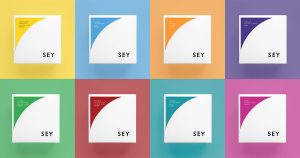
Sey Coffee Hambela Ethiopia
The price sits above most washed Ethiopian light roasts on the market, and the cup mostly justifies it: bergamot and stone fruit at maximum acidity, precise and distinct in a way most regional competitors don't achieve.
Profile
Tasting Notes
- The bergamot registers first, sharp and specific. As the cup cools toward 140 degrees, it softens toward a jasmine-adjacent floral register; stone fruit takes the finish after that, something between ripe nectarine skin and peach, dry and brief.
- Acidity at 5/5 is the structural fact of this coffee. It reads as elevation and precision, a bergamot-and-stone-fruit clarity that most washed Ethiopians in this price tier aim for but don't consistently reach.
- Sweetness (4/5) is fruit-forward and dry, framing the acidity without cushioning it. It registers as ripe stone fruit, not sugar or caramel.
- Body sits at 2/5. The cup is vivid and aromatic, but there is no coating weight. At proper extraction temperature, this reads as clarity. Below 120 degrees, it starts to read as thin.
- Bitterness is essentially absent (1/5). The finish exits quickly, which is what lets the aromatics and acidity stand without interference.
Who It’s For
The drinker for this is someone starting the morning with pour over before food, who wants floral aromatics and high acidity over weight and comfort. The best of what this coffee offers is gone in the first fifteen minutes; you need to be present for it.
The florals are the product, and they're fragile. A slow drinker will lose the best of what they paid for before they finish the cup. The 2/5 body means there's nothing left to carry the experience once the aromatics fade, so if you want a light Ethiopian that holds up across a longer, more relaxed session, this one won't satisfy.
Full review
The Hambela washing station in Guji is one of the most referenced names in specialty coffee, and Sey's version arrives with pricing that acknowledges its provenance. Compare the flavor profile to Atlas Coffee Club's Ethiopia Limu and the differences clarify quickly. The Limu is a capable, widely available Ethiopian that trades on accessible citrus-forward clarity and a body that rounds the experience out. The Hambela is more particular: brighter, more aromatic, with bergamot and stone fruit sitting at a higher register. The Hambela is brighter, more aromatic, and more demanding.
On a performance basis, the gap between this and Groundwork's Ethiopia Heirloom Blend Light Roast is most visible in how each handles technique variation. The Groundwork blend is designed to deliver a clear Ethiopian florals-and-acidity profile across a range of grind precision and water temperatures. The Hambela is sourced and roasted to maximize what this particular lot and washing station can express, which makes it more distinctive and less consistent across varying conditions. Misalign the grind or run the water a few degrees too hot and the florals drop first. The sweetness collapses second. You're left with a thin, high-acid result that doesn't compensate for what it gave up.
The acidity is this coffee's identity. At 5/5, it's the entire forward structure of the cup. The bergamot is specific and identifiable, distinct from the generic citrus brightness that characterizes most Ethiopian light roasts at lower price points. As the cup cools from brewing temperature, it yields to stone fruit, something between peach skin and nectarine, dry and short. The jasmine is the most volatile element of the three; drink within the first ten minutes after brewing or that register is largely gone. The jasmine is gone by the ten-minute mark.
Sweetness at 4/5 reads as fruit-skin ripeness, the kind that holds the acidity in structure without softening it. There is no bitterness to manage (1/5). The cup exits the palate quickly, which is the trait that lets the aromatics and acidity stand without interference from a lingering finish. Body sits at 2/5, which means you feel essentially no weight in the cup. For pour over, that reads as clarity and brightness. For a drinker who needs physical presence or wants something to linger, it reads as a deficit.
The washed processing combined with the Guji altitude drives the aromatic separation this coffee achieves. At 1/5 roast intensity, the volatile aromatic compounds the lot can produce arrive in the cup intact. Natural-processed Ethiopian light roasts trade that floral precision for fruit weight on the palate. The washed process here keeps the aromatics sharp; body is what it gives up.
Sey's catalog doesn't apologize for its pricing, and the Hambela is one of their key lots, not an entry offering. The 12 oz bag sits at the upper end of what specialty single-origin light roasts command, and a well-calibrated pour over at the right temperature returns a distinctive cup that most Ethiopian light roasts at any price don't reach. The value case weakens when the buyer can't meet the cup where it is. Grind imprecisely or run the extraction too long and you've paid a specialty price for a thin, high-acid result.
The bergamot and stone fruit are specific and traceable to this washing station and this lot.
Keep pulling the thread: Light roast guide, Guji, Ethiopia origin guide, and more from Sey Coffee.
Price & History
This comes in a 12 oz bag at a price point consistent with Sey's premium lot sourcing, placing it at the upper end of what specialty single-origin light roasts charge.
Price history coming soon — check back after the next daily update.
Rating
FAQ
What does Sey Coffee Hambela Ethiopia taste like?
The bergamot registers first, sharp and specific. As the cup cools toward 140 degrees, it softens toward a jasmine-adjacent floral register; stone fruit takes the finish after that, something between ripe nectarine skin and peach, dry and brief. Acidity at 5/5 is the structural fact of this coffee. It reads as elevation and precision, a bergamot-and-stone-fruit clarity that most washed Ethiopians in this price tier aim for but don't consistently reach. Sweetness (4/5) is fruit-forward and dry, framing the acidity without cushioning it. It registers as ripe stone fruit, not sugar or caramel.
Who is Sey Coffee Hambela Ethiopia best for?
The drinker for this is someone starting the morning with pour over before food, who wants floral aromatics and high acidity over weight and comfort. The best of what this coffee offers is gone in the first fifteen minutes; you need to be present for it.
Who should skip Sey Coffee Hambela Ethiopia?
The florals are the product, and they're fragile. A slow drinker will lose the best of what they paid for before they finish the cup. The 2/5 body means there's nothing left to carry the experience once the aromatics fade, so if you want a light Ethiopian that holds up across a longer, more relaxed session, this one won't satisfy.