Jasmine in coffee is the most prominent floral note — intense, perfumed, distinctly non-coffee in a way that surprises first-time drinkers. It's most present in light-to-medium washed Ethiopian coffees. Atlas Coffee Club Ethiopia Limu and Illy Classico both carry jasmine character. See the Citrus & Floral family guide.
At the price Finca Deborah Gesha lots command, you get maximum floral intensity plus the concentrated grape-soda fermentation character the anaerobic process stacks on top.
At $2.33 per oz, the Gesha premium shows up in the cup: jasmine-honey clarity at maximum acidity, from a varietal performing at its ceiling, for pour over drinkers who brew with attention to temperature and grind.
Built for pour-over drinkers who want Hacienda La Esmeralda's terroir through a natural-process lens, this lot delivers peach, jasmine, and blueberry at maximum brightness with bitterness low enough to disappear entirely.
The price sits above most washed Ethiopian light roasts on the market, and the cup mostly justifies it: bergamot and stone fruit at maximum acidity, precise and distinct in a way most regional competitors don't achieve.
The anaerobic natural process is the whole argument here: ferment-forward intensity that divides drinkers, but when brewed right, it produces a lemon-grapefruit-cherry clarity you won't find in a conventionally processed Colombian.
The thin body is the honest entry fee; the anaerobic washed process draws genuine jasmine, peach, and yellow pear from Arbegona in a way that outstrips what a standard Ethiopian washed light roast can deliver.
Anaerobic fermentation is the decision that defines this cup: it prioritizes fermented fruit and florals at the expense of roast structure, and at light-medium on Sidama Arbegona, that trade produces a profile other process methods cannot replicate.
Jasmine opens the entry, blueberry sweetness builds through the mid-palate, and the finish clears fast for how much the first two-thirds of the cup promise.
The washed light roast makes one clear bet: maximum acidity, maximum sweetness, and a body so light the cup stands or falls entirely on what the origin delivers.
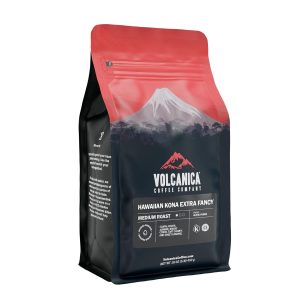
For the pour over drinker who wants a floral, honey-forward cup from certified Kona, the Bloom delivers maximum sweetness and jasmine presence with bitterness that never arrives.
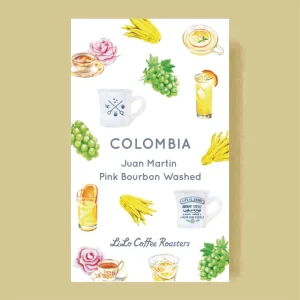
Lilo chose infused fermentation over direct Geisha expression, engineering lemon candy and yuzu into this Huila lot at maximum acidity, and what you get is technically accomplished but built around process rather than place.
Jasmine leads, peach follows, and the 777 double fermentation closes the cup on a calpis-like sweetness that a standard washed Ethiopian doesn't produce.