Cold brew is not iced coffee. Iced coffee is hot-brewed and chilled, which makes it sour and thin as it dilutes over ice. Cold brew steeps ground coffee in cold or room-temperature water for 12 to 24 hours. The result is low-acid, naturally sweet, and dense enough to pour over ice without losing anything.
Cold brew vs iced coffee
The difference is the process, not the temperature of the final cup.
| Cold brew | Iced coffee | |
|---|---|---|
| Brew method | Cold water, long steep | Hot brew, poured over ice |
| Time | 12 to 24 hours | Minutes |
| Acidity | Low | Higher |
| Body | Full, smooth | Thinner as ice melts |
| Caffeine (per oz) | Higher in concentrate form | Standard |
The ratio
Cold brew is almost always brewed as a concentrate and diluted before drinking.
- Concentrate: 1:4 to 1:5 coffee to water by weight. Use 200 g of coffee to 800 ml to 1,000 ml of water. Dilute 1:1 with water or milk before serving.
- Ready-to-drink: 1:8 to 1:10. Pour directly over ice without dilution.
Start with 1:4 concentrate if you plan to serve it over ice. The ice and any added milk bring it to the right strength. Start with 1:8 if you want a jug ready to drink from the fridge.
Grind size
Extra coarse, like cracked peppercorns. Coarser than French press. Cold water extracts slowly, and a fine grind in a 20-hour steep pulls every harsh compound out of the bean. Too fine and the cold brew tastes bitter despite the cold process. See our grind size guide for reference textures across brew methods.
Step-by-step method
1. Weigh and grind
Grind extra coarse. For a 1:4 concentrate, use 200 g of coffee and 800 ml of cold water.
2. Combine in a jar or pitcher
Add the grounds to a large mason jar, French press, or dedicated cold brew maker. Pour cold filtered water over the grounds. Stir to make sure all the grounds are wet. Do not use hot water.
3. Steep
Room temperature: 12 to 14 hours. Refrigerator: 18 to 24 hours. Cold slows extraction, so fridge steeps need more time. Room temperature is faster but requires attention. Past 14 hours at room temperature the steep over-extracts.
4. Filter
Pour through a fine mesh strainer lined with cheesecloth, a paper coffee filter, or the built-in filter of a cold brew maker. A single pass through bare metal mesh leaves fine sediment. Paper produces a cleaner cup. Let it drip slowly rather than pressing or squeezing, which pushes bitter compounds through.
5. Store and serve
Concentrate keeps in the fridge for up to 2 weeks. Diluted cold brew is best within 1 week. Serve over ice with water, milk, or oat milk at a 1:1 ratio for the concentrate version.
Steep time and flavor
| Steep time | Temp | Result |
|---|---|---|
| Under 10 hours | Room temp | Under-extracted, sour, thin |
| 12 to 14 hours | Room temp | Sweet, balanced, full-bodied |
| 16+ hours | Room temp | Over-extracted, bitter |
| 12 to 16 hours | Fridge | Under-extracted, light |
| 18 to 24 hours | Fridge | Sweet, smooth, full |
| 28+ hours | Fridge | Over-extracted, harsh |
Best beans for cold brew
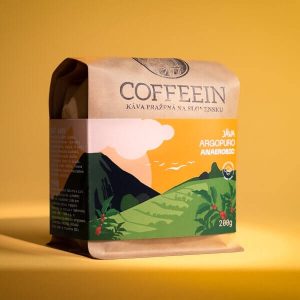
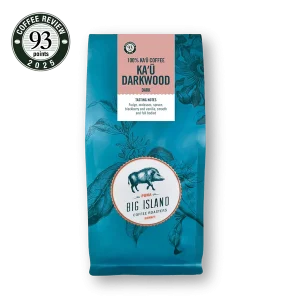
Medium and dark roasts. The cold process strips brightness from light roasts and leaves them flat. A medium roast with chocolate, caramel, or nutty notes produces a naturally sweet concentrate. Ethiopian light roasts that taste bright and fruity in a pour-over turn muted and thin in cold brew.
Buy beans with a roast date under 3 to 4 weeks old. Stale beans produce a flat, papery cold brew no steep time fixes. See our guide to coffee bean storage for how to keep beans fresh until brew day.