black-oak-coffee-roasters
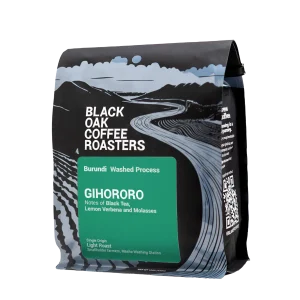
Black Oak Coffee Roasters Ethiopia Wush Wush Natural
Sangria and black cherry hit first, then the Wush Wush varietal's tropical fruit and florals emerge as the cup cools.
Dark chocolate in coffee signals medium-dark to dark roast development. Look for it in full-bodied beans at low acidity: Peet's Major Dickason's, Kicking Horse 454 Horse Power, and Camano Island Sumatra carry this note most clearly. The bitterness is intentional — a good dark chocolate note finishes cleanly without linger. See the Chocolate family guide for more.
Sangria and black cherry hit first, then the Wush Wush varietal's tropical fruit and florals emerge as the cup cools.
Built for the pour-over enthusiast who wants to taste what a rare Colombian varietal does in the cup, this Ombligón natural from El Diviso runs dark cherry and prune depth backed by maximum sweetness and a medium body that holds together across extraction styles.
This Sidama natural performs best in pour over and aeropress, where maximum acidity resolves into raspberry brightness and caramelized sweetness carries through the finish, with thin enough body that neither element has anything to hide behind.
Hazelnut warmth opens this cup, citrus takes over mid-palate, and maximum acidity and sweetness make it one of the more layered light roasts in the Tarrazú category.
Built for the filter drinker tracking high-acidity naturals, this Central Valley lot delivers pineapple-blackberry fruit with a dark chocolate close and bitterness low enough to hold that fruit all the way through the cup.
The price demands proof; pineapple-lime brightness anchored by a dark chocolate finish delivers it.
The medium roast restrains the jasmine and citrus the anaerobic fermentation creates; what carries through is exceptional sweetness and enough acidity to keep the cup from going flat.
Positioned at specialty prices, and the cup earns the placement: maximum acidity and sweetness locked into a full-bodied, low-bitterness medium that performs reliably across drip and pour over without asking much of the brewer.
Pear brightness at the front, brown sugar through the finish, and a medium body that stops the 5/5 acidity and sweetness from reading as paper-thin.
The medium roast trades away Yirgacheffe's most extreme florals for a cup that delivers real brightness across a wider range of filter setups and grind tolerances.
Full-bodied from the first pull to a sweet, slow finish: three origins stacked into a cup that earns its espresso weight on density and sweetness alone.
The lemon brightness hits early and holds; the prune deepens as the cup cools, giving this washed Nariño more range than its roast level suggests.
The Monarch's medium-dark roast is a deliberate trade: origin character gives way to extraction reliability, and for an espresso blend built around milk-based drinks, that exchange holds up.
Dark chocolate and caramelized sweetness at maximum intensity: a medium-roast blend that earns its weight through sourcing, not through roasting time.
The Sermon costs what Verve charges for its beans; what you get for that price is a medium-dark espresso blend that preserves cherry acidity at a roast level where most blends have already lost that brightness entirely.
Built for the espresso or moka pot drinker who wants a bone-dense, toffee-forward shot from a traceable Huila lot, the Interval Espresso delivers maximum body and sweetness alongside equally maximum bitterness.
For the home espresso setup that needs body and sweetness in the shot, this medium washed blend pulls dense and grape-edged with enough structure to hold under steamed milk.
The light roast and washed process commit to terroir: maximum acidity, maximum sweetness, and a bitterness that runs higher than the minimal roast development here can explain.