What Makes Coffee Taste Nutty
Hazelnut, walnut, almond, peanut: the nutty notes in coffee come from pyrazines, the same class of compounds that browning builds in roasted nuts. The reason is simple. Roast a nut and roast a coffee bean and you run the identical chemistry, the Maillard reaction browning sugars and amino acids into the toasty, savory aromatics the nose reads as nut. A nutty coffee and a handful of roasted almonds are closer cousins than they look.
Nut notes show up most in lower-altitude Latin American coffees, Brazil above all. Their naturally low acidity leaves room for nut to read clearly, with no bright acid cutting across it. At medium roast the nut is light and sweet; push toward medium-dark and it shifts darker, toward walnut, picking up a faint bitterness on the way.
Hazelnut, Walnut, and the Background Nut
Hazelnut. The lightest and sweetest nut note, and the most approachable. It comes with creamy body and low acidity, which is why it lives in espresso blends built for milk. Lavazza Super Crema carries hazelnut as its signature, the nut wrapped in cream and cocoa.
Walnut. Darker and slightly astringent, with the mild bitterness of a walnut skin. It surfaces at medium-dark development. Intelligentsia Black Cat Espresso carries walnut alongside dark chocolate and a thick crema.
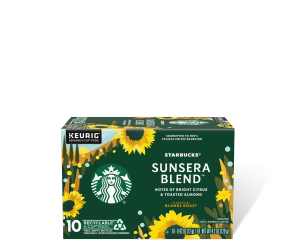
General nut. Often there is no single nut, just a warm, roasted, nutty impression sitting under the main notes. Caribou Blend carries this kind of background nut beside caramel and light cocoa, the quiet backbone of an everyday cup.
How to Brew for Nut
Nut notes are sturdy. They do not evaporate the way fruit and floral aromatics do, which makes them forgiving. Espresso suits them best, the pressure and crema concentrating hazelnut and walnut into something rich. Drip and French press work cleanly too. The one thing to avoid is buying a coffee pushed too dark, since heavy char buries nut under bitterness.
Who Nutty Coffee Is For
Anyone who builds their cup with milk. Hazelnut and walnut were made for a flat white or a splash of cream, the dairy amplifying the nut into something close to dessert without a gram of sugar. It is also the right profile for the drinker who finds bright coffee aggressive and wants something round, warm, and easy.
It is not the cup for someone chasing clarity and acidity. Nut and brightness pull in opposite directions, and the high-grown washed coffees that deliver fruit and floral will not give you hazelnut. Pick your end of the spectrum.
Frequently Asked Questions
- Is nutty coffee flavored with nuts?
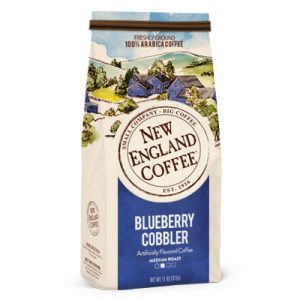
- No, and it is worth checking the label, because hazelnut-flavored coffee (sprayed with flavoring oil) is a common separate product. The beans here taste of nut because of pyrazines built during roasting, the same compounds that make roasted nuts smell the way they do. Nothing is added.
- Which origins are most nutty?
- Brazil and lower-altitude Latin American coffees. Their low acidity lets nut read clearly without bright acids competing, which is part of why Brazilian beans anchor so many espresso blends.
- Can someone with a nut allergy drink nutty coffee?
- The note comes from coffee-roast chemistry, not actual nuts, so plain nutty-tasting coffee contains no nuts. The exception is flavored coffee, which can involve nut-derived flavorings. Check the label, and when in doubt, ask the roaster.