volcanica-coffee
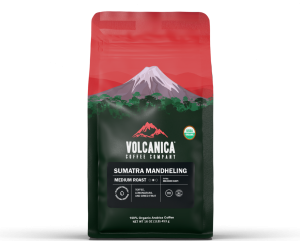
Volcanica Sumatra Mandheling
Cedar follows the chocolate, the earth doesn't lift, and the body carrying both is the reason to buy it.
Wet-hull (Giling Basah) is a process unique to Indonesia. After pulping, beans partially dry to about 30–35% moisture — then the parchment is hulled while the bean is still wet and swollen. This early hulling exposes the inner bean to the humid Indonesian environment during a second, longer drying phase.
The result: the bean absorbs environmental compounds during this exposed drying. Acidity drops dramatically — acid compounds leach out during the humid process. Earthiness increases — the exposed bean interacts with environmental microorganisms. Body becomes heavy and syrupy. The signature Sumatran profile — earthy, cedar, dark chocolate, low acid — is entirely a product of this process.
Practicality and climate. The humid Indonesian environment makes fully washed processing difficult — slow drying creates mold risk. Wet-hull speeds the process by hulling early, allowing faster air circulation around the exposed bean. It also produces a distinctive product that differentiates Indonesian coffee from every other origin.
Giling Basah is not a compromise — it's a deliberate process that produces a flavor profile no other method creates. Camano Island Coffee Roasters Sumatra, which we track, uses this process to deliver the earthy, full-body profile that Sumatran dark roast drinkers buy for.
Cedar follows the chocolate, the earth doesn't lift, and the body carrying both is the reason to buy it.
The body lands first: dense and earthen, with dark cocoa weight and a wet hull spice note the roast cannot erase.