allegro-coffee
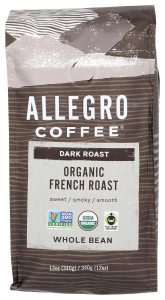
Allegro Coffee Organic French Roast
Smoke comes first, cocoa-powder bitterness follows, and the cup never softens. this is a French roast that commits fully to what French roast is.
Drip / auto brewing runs hot water through a paper filter and a bed of medium-ground coffee. The result: a clean, full-volume cup without the technique demands of pour over. At its best, a quality automatic brewer (Technivorm, Breville Precision Brewer) produces results close to manual pour over. At its worst — a cheap machine that brews at 175°F instead of 200°F — it produces under-extracted, weak coffee no matter how good the beans are.
Water temperature is the variable most auto brewers get wrong. 195–205°F is the extraction range. Machines under $50 often brew at 175°F. You can't fix under-temperature with better beans.
Medium roast is the sweet spot. The paper filter handles acidity well, so medium roast brightness comes through without becoming sharp. Dark roast loses texture through paper filtration but retains enough bitterness to taste intentional.
Consistent grind quality matters more than origin. A burr grinder producing even medium-ground coffee extracts correctly at any temperature. A blade grinder produces uneven grounds — some particles over-extract, others under-extract. The result is a cup that tastes both bitter and weak simultaneously.
Colombian, Nicaraguan, and Latin American blends are the most forgiving for drip. High-acid light roasts punish a machine brewing slightly below temperature.
Weak or flat drip coffee: machine temperature too low, grind too coarse, or ratio too low. Use 1:15 ratio (1g per 15g water) and check your machine's brew temperature with a thermometer if available. Most cheap auto brewers fall short.
Bitter drip coffee: grind too fine, brew time too long, or roast too dark for the machine's temperature. Go coarser first.
Smoke comes first, cocoa-powder bitterness follows, and the cup never softens. this is a French roast that commits fully to what French roast is.
The berry note on the label doesn't arrive as a distinct flavor, but the 4/5 body and low bitterness make this one of the more forgiving drip blends at the chain-brand tier.
The caramel is mild and brief; the thin body ensures the cup exits before it builds anything worth returning for.
Cocoa powder bitterness lands first; the body, not the flavor complexity, is the real argument for this blend.
Built for the drip drinker who wants the same heavy-bodied, roast-forward cup every morning without any brightness to manage.
The medium roast and washed process are calibrated for approachability, trading any particular flavor identity for a cup that stays out of your way each morning.
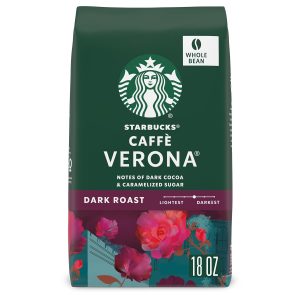
The Starbucks name costs more than the cup earns back, but heavy body and controlled bitterness give this dark blend a real case for milk drinks and espresso.
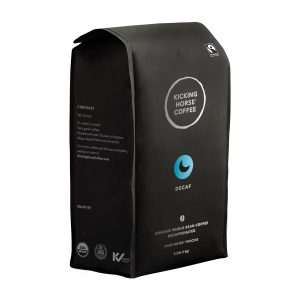
Roast-forward from first sip to a dry, persisting close, this Swiss Water decaf delivers consistent dark roast character at volume without asking anything precise from the brewer.
Brown sugar is what you get first and last, with almost no bitterness to interrupt it.
The three-origin sourcing promises complexity the medium-dark roast does not deliver, but the substantial body carries across drip, french press, and espresso without falling apart.
Heavy body for its roast class, but the brand premium outpaces what this Latin America blend puts in the cup.
The 35.2 oz tin is the value pitch, and what you get for it is a heavy, low-acid espresso base that carries milk drinks well and has little to offer when you drink it straight.
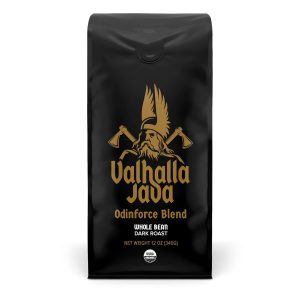
The roast is the entire story here: maximum intensity, heavy body, and a cocoa-powder bitterness that sits forward from the first sip, with origin character almost entirely behind it.
The 32 oz format makes the value case for you; what you get inside is a Swiss Water decaf that stays out of its own way, with low bitterness and a midrange that does not ask much.
Night Owl commits to maximum roast intensity and trades whatever the Latin American origin had to say for dark chocolate and smoke, landing a heavy-bodied cup that holds in drip but asks nothing of the terroir underneath.
Maximum roast intensity has taken the Latin America blend's origin character entirely off the table, but the body left behind is substantial enough to make this work in a french press.
Pulls the same cup across drip, french press, and pour over; the dry pepper spice is where the cup earns its keep, and the rest is reliable dark roast.
Pipe tobacco and unsweetened molasses settle at the back of the cup; maximum body, maximum bitterness, and a roast that has consumed everything else.