What Chocolate Notes in Coffee Actually Are
Chocolate is the most common thing people taste in coffee, and one of the most honest. It runs the full range, from dark and bitter (dark chocolate, bittersweet, cacao nib) to soft and creamy (milk chocolate, cocoa powder). When a coffee reads as chocolate, that is not the label talking. The compounds responsible, pyrazines and furans built during roasting, are the same family that gives roasted cacao its flavor. Coffee and chocolate are both roasted seeds, and the roast walks them toward the same place.
This is why chocolate is the most reliable note in commercial coffee. Take a medium to medium-dark roast from Latin America and chocolate shows up almost every time, usually arm in arm with caramel. The roast is doing the work, not the marketing department.
What Produces Chocolate Notes
Roast level does most of the work. The Maillard reaction, the browning that runs hot between roughly 400 and 450 degrees Fahrenheit, builds melanoidins, the same brown compounds that form when cacao is roasted. Light roasts stop short of this and rarely read as chocolate. Push into medium-dark and dark, and chocolate deepens from cocoa toward bittersweet and finally to a dark, almost savory bitterness.
Origin sets the stage. Brazilian and Colombian beans are predisposed to chocolate: lower-altitude Brazilian naturals and washed Colombian both carry it cleanly at medium roast. Sumatran wet-hulled coffee reads as dark chocolate from a different direction, the earthy, low-acid context turning the chocolate heavy and brooding rather than sweet.
Dark, Milk, Bittersweet, Cocoa
Dark chocolate. The note of a developed dark roast: high bitterness, low sweetness, often shadowed by earth or smoke. Peet's Major Dickason's, Kicking Horse 454 Horse Power, and Camano Island Sumatra carry it clearest. A good dark chocolate note finishes clean and does not linger as ash.
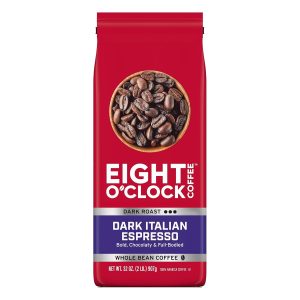
Milk chocolate. Softer and creamier, lower bitterness, more sweetness. Typical of medium-roast Latin American and Nicaraguan coffees. Lifeboost Medium Roast and Eight O'Clock Original carry it well, usually beside caramel or a mild citrus lift.
Bittersweet chocolate. The balance point: roast bitterness and caramel sweetness in equal measure, the signature of a well-built medium-dark espresso blend. Stumptown Hair Bender and Blue Bottle Hayes Valley sit here.
Cocoa and mild cocoa. A light, powdery chocolate impression without sharp bitterness, more suggestion than statement. Lavazza Super Crema and Caribou Blend carry cocoa as background sweetness inside a creamier profile.
Who Chocolate-Forward Coffee Is For
Anyone who wants coffee to taste like coffee. Chocolate is the comfort end of the spectrum: forgiving to brew, friendly with milk, and easy to drink black without acidity to negotiate. Espresso drinkers lean on it because chocolate and caramel survive the heat and pressure of a shot where delicate fruit would not.
It is not the cup for someone chasing brightness and surprise. If you want bergamot and strawberry, look to the citrus, floral, and fruit notes of high-grown washed coffee. Chocolate trades fireworks for dependability, and most mornings that is the right trade.
Frequently Asked Questions
- Is chocolate added to the coffee?
- No. The chocolate note is built during roasting, not added. Pyrazines and furans formed by the Maillard reaction are chemically related to the compounds in roasted cacao, so the cup genuinely tastes of chocolate without anything mixed in. Mocha and flavored coffees, where cocoa or syrup is added, are a separate product.
- Which roast gives the strongest chocolate?
- Medium-dark to dark. That range develops the melanoidins that read as chocolate, moving from cocoa at medium toward dark and bittersweet chocolate as the roast deepens. Light roasts almost never taste of chocolate.
- Why do Brazilian and Colombian coffees taste chocolatey?
- Lower growing altitude and their processing. Brazilian naturals and washed Colombians carry low acidity and a body that lets roast-built chocolate and caramel read clearly, without bright acids competing for attention. It is why both are staples of commercial blends.