lily-willys-coffee-co
Lily & Willy’s Coffee Co India Pearl Mountain
The defining thing in this cup is the body: 4/5 weight carrying brown sugar and praline sweetness through any filter brew without asking much of you.
Indian coffee splits into two distinct products. Indian Arabica, grown in the hills of Karnataka and Kerala, gives a full-bodied cup with low acidity, chocolate notes, and a real sweetness. Indian Robusta, grown in the same regions, is a different animal: higher in caffeine, more bitter, carrying a dense, grain-like intensity rather than finesse.
Then there is Monsoon Malabar, India's most singular coffee. Arabica beans are left exposed to the moisture-laden monsoon winds for weeks, which swells them, mutes their acidity, and adds a funky, musty depth all its own. It stands in a category by itself. Death Wish Coffee, tracked here, uses Indian Robusta as the engine of its high-caffeine blend, chosen for caffeine density rather than for delicacy.
India's coffee grows in the Western Ghats, often under shade and at moderate altitude, conditions that build body and low acidity rather than bright, high-grown acidity. Robusta thrives there, and Robusta is naturally higher in caffeine and chlorogenic acids than Arabica, which is where the bitterness and the intensity come from. Monsoon Malabar takes a further step: the deliberate monsoon exposure is a processing choice with no equivalent anywhere else, and the funky, low-acid result divides drinkers sharply.
Indian coffee works well in French press and drip, where the full body carries. Robusta-heavy blends pull a dense, thick-crema espresso, a lot of weight in the cup. Filter brewing at standard strength exposes the grain and bitterness of Robusta more than immersion does, so if you want the smoother side, lean toward French press over a fast filter. Monsoon Malabar is worth brewing as a single origin at least once, simply to meet a flavor nothing else delivers.
High-caffeine seekers who buy Death Wish specifically for the jolt, and drinkers who want full body and low acidity in a dark roast. It also rewards the curious: Monsoon Malabar is a genuinely distinct experience, a coffee to try because it tastes like nowhere else, even if it never becomes your daily cup.
It is not for the drinker chasing bright, clean, fruit-forward coffee. Indian beans, Robusta especially, sit at the heavy, intense, low-acid end of the spectrum. For acidity and clarity, an African washed coffee is the opposite choice and the right one.
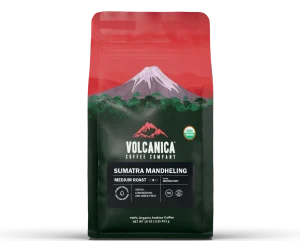
The defining thing in this cup is the body: 4/5 weight carrying brown sugar and praline sweetness through any filter brew without asking much of you.
Monsoon Malabar exposure trades acidity and brightness for something stranger: a dense, earth-forward cup where tobacco and spice are the point, not a side effect.
Dark chocolate opens the cup and carries to the finish; the sweetness underneath, preserved at maximum roast intensity, is the honest differentiator from dark blends that have nothing left but bitterness.
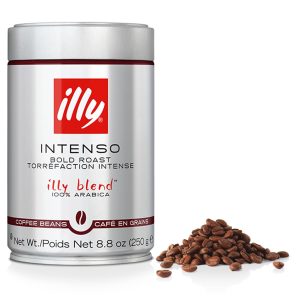
The body is there and the finish clears before it turns harsh, but the price reflects the Illy label more than it reflects what's in the cup.
Cedar and cocoa pressed into a shot of maximum density: this cup leads with weight and asks you to meet it with milk.
The body carries this cup. Low acid, low bitterness, chocolate-caramel center: a medium roast that holds its character across drip and french press without shifting much between them.
Cocoa powder bitterness lands first; the body, not the flavor complexity, is the real argument for this blend.
Body at maximum and bitterness to match. This cup is built for force, and it delivers exactly that.