What Colombian Coffee Actually Tastes Like
Colombian coffee is the workhorse of the coffee world, and that is a compliment. The acidity is present but restrained, a mild citrus brightness that lifts the cup without ever challenging the palate. The body runs medium. The signature is caramel and mild chocolate over a clean finish that does not linger. It is balanced, sweet, and almost impossible to dislike.
Colombia does not reach the floral peaks of Ethiopia or the earthy depths of Sumatra. What it offers instead is reliability. A well-sourced Colombian medium roast is hard to over-extract and hard to get wrong. It is the coffee you brew at 7 a.m. in a drip machine without a second thought, and it rewards you every time.
Why It Tastes This Way
Colombia grows coffee along two great mountain ranges between roughly 1,200 and 2,000 meters, high enough for real sweetness and acidity but not so extreme as to turn the cup wild. The washed process dominates: cherries are pulped, fermented, and washed before drying, which strips away fruit and fermentation and leaves the bean's clean, bright character on display.
The Supremo and Excelso grades you see on bags are sorted by bean size, not flavor. Supremo is the larger screen size and roasts more evenly, which is part of why Colombian coffee is the default backbone of so many commercial blends. The grade promises uniformity, and uniformity is what makes the cup so consistent.
Brew Methods That Suit Colombian Coffee
Nearly everything. Drip, pour over, French press, espresso, cold brew: Colombian medium roast adapts to all of them without serious trade-offs, which is rare for any single origin. For pour over, a medium-fine grind at around 200 degrees Fahrenheit brings the caramel and mild citrus forward cleanly. For French press, go coarser and steep four minutes; the medium body holds up well to immersion. It is the most forgiving origin to learn on.
Who Colombian Coffee Is For
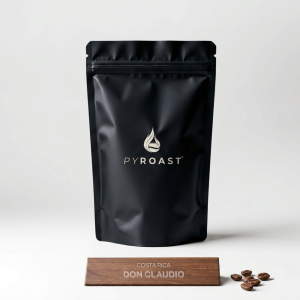
Anyone who wants a dependable daily cup without surprises, and anyone buying for a household or office where tastes differ. Colombian is the safe, satisfying default that keeps everyone happy. A single-origin Colombian from a careful roaster, like Don Francisco's Colombia Supremo, is a real step up from generic blends, the clean acidity and caramel reading clearly when the sourcing is good.
It is the wrong pick for a drinker hunting the extremes, the loud fruit of a natural Ethiopian or the heavy earth of a Sumatran. Colombia is the middle of the road, and it owns that ground completely. If you want a thrill, look elsewhere; if you want a great everyday coffee, stop here.
Frequently Asked Questions
- Is Colombian coffee always a medium roast?
- No. Colombian beans work at any roast level. Light roast highlights the citrus acidity, dark roast pushes toward chocolate with lower acidity. The medium roast that dominates the market is a commercial choice, not a property of the origin.
- Why is Colombian coffee in so many blends?
- Reliability and balance. Colombian beans contribute body and mild sweetness without dominant flavors that clash, and they grow at good quality and high volume. Most major commercial blends lean heavily on Colombian for exactly that neutrality.
- What is the difference between Supremo and Excelso?
- Bean size, not flavor. Supremo is the larger grade (screen 17 and up) and roasts more evenly; Excelso is a smaller, mixed-size grade. Both can be excellent. The grading reflects size uniformity rather than cup quality.