Big Lake Coffee Roasters Gari Guji, Ethiopia
Across pour over and aeropress the fruit lands fast and vivid, and the payoff is a sweet finish where peach, dried fruit, and chocolate each hold their shape.
AeroPress combines immersion brewing with pressure — coffee steeps for 1–3 minutes, then pressure forces the brew through a paper filter. The result: a clean cup with more body than pour over and less bitterness than French press. The speed and flexibility make it the most adaptable brewer available.
AeroPress is forgiving. It tolerates grind inconsistency, temperature variation, and technique variation better than pour over or espresso. The wrong beans hurt less than with other methods.
Anything medium roast and lighter gets the most from the method. The paper filter provides the same clarity as pour over while the pressure adds body that paper-filtered pour over lacks. Light-roast single origins — Atlas Ethiopia Limu, Onyx Southern Weather — produce a cup that splits the difference between pour over clarity and French press texture.
AeroPress also produces concentrated shots (shorter steep time, finer grind, less water) that approximate espresso well enough for milk-based drinks. Medium-dark blends work here.
Across pour over and aeropress the fruit lands fast and vivid, and the payoff is a sweet finish where peach, dried fruit, and chocolate each hold their shape.
Boysenberry at full intensity, with almost no body to soften it.
The raspberry-and-honey payoff is consistent across pour over, aeropress, and drip; pour over resolves the layers with the most definition.
The thin body is the honest entry fee; the anaerobic washed process draws genuine jasmine, peach, and yellow pear from Arbegona in a way that outstrips what a standard Ethiopian washed light roast can deliver.
Grapefruit at entry, jasmine through the middle, and a maple sweetness that closes the sip with almost no weight behind it from first to last.
Performs best through pour over and aeropress where its tamarind-grapefruit acidity and dried florals land clean, but the near-absent body means there is no buffer when extraction goes wrong.
The washed light roast makes one clear bet: maximum acidity, maximum sweetness, and a body so light the cup stands or falls entirely on what the origin delivers.
This Sidama natural performs best in pour over and aeropress, where maximum acidity resolves into raspberry brightness and caramelized sweetness carries through the finish, with thin enough body that neither element has anything to hide behind.
Built for the pour-over enthusiast who wants to taste what a rare Colombian varietal does in the cup, this Ombligón natural from El Diviso runs dark cherry and prune depth backed by maximum sweetness and a medium body that holds together across extraction styles.
Hazelnut warmth opens this cup, citrus takes over mid-palate, and maximum acidity and sweetness make it one of the more layered light roasts in the Tarrazú category.
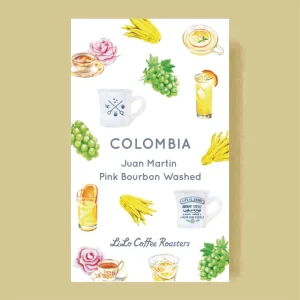
Lilo chose infused fermentation over direct Geisha expression, engineering lemon candy and yuzu into this Huila lot at maximum acidity, and what you get is technically accomplished but built around process rather than place.
Cranberry acidity up front, champagne candy on the back half: the anaerobic honey layer shifts the cup from tart to sweet across its profile.
Peach and lemon arrive in layers on maximum acidity, with a ceylon-dry finish that closes fast, all on a cup that has essentially no body to cushion any of it.
Natural processing on a light-roasted Caturra delivers lime and plum where most naturals give dried fruit and syrup: the trade is a sharper, more demanding cup that rewards attentive filter brewing.
Pour-over precision and citric brightness first, layered fruit second: lemon and jasmine in the first half of the cup, peach and blueberry in the second, with dry fermentation delivering a flavor range broader than the roast level alone would give.
The price demands proof; pineapple-lime brightness anchored by a dark chocolate finish delivers it.
Blueberry and dried banana hit clean on a thin, high-acid frame; pour over is where this cup does its best work.
Performs best in a slow pour over where the jasmine-to-apricot arc has room to develop in sequence, delivering Yirgacheffe's defining brightness without a gram of body to slow it down.