wes-ngopi
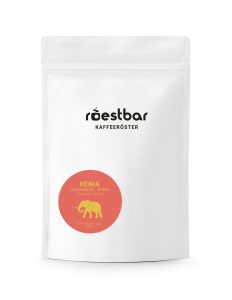
Wes Ngopi Kenya Rungeto Kii AA
Cranberry tartness up front, hibiscus and jasmine tea through the mid-cup, and a dry citrus finish with no bitter weight behind it.
Drip / auto brewing runs hot water through a paper filter and a bed of medium-ground coffee. The result: a clean, full-volume cup without the technique demands of pour over. At its best, a quality automatic brewer (Technivorm, Breville Precision Brewer) produces results close to manual pour over. At its worst — a cheap machine that brews at 175°F instead of 200°F — it produces under-extracted, weak coffee no matter how good the beans are.
Water temperature is the variable most auto brewers get wrong. 195–205°F is the extraction range. Machines under $50 often brew at 175°F. You can't fix under-temperature with better beans.
Medium roast is the sweet spot. The paper filter handles acidity well, so medium roast brightness comes through without becoming sharp. Dark roast loses texture through paper filtration but retains enough bitterness to taste intentional.
Consistent grind quality matters more than origin. A burr grinder producing even medium-ground coffee extracts correctly at any temperature. A blade grinder produces uneven grounds — some particles over-extract, others under-extract. The result is a cup that tastes both bitter and weak simultaneously.
Colombian, Nicaraguan, and Latin American blends are the most forgiving for drip. High-acid light roasts punish a machine brewing slightly below temperature.
Weak or flat drip coffee: machine temperature too low, grind too coarse, or ratio too low. Use 1:15 ratio (1g per 15g water) and check your machine's brew temperature with a thermometer if available. Most cheap auto brewers fall short.
Bitter drip coffee: grind too fine, brew time too long, or roast too dark for the machine's temperature. Go coarser first.
Cranberry tartness up front, hibiscus and jasmine tea through the mid-cup, and a dry citrus finish with no bitter weight behind it.
Maximum acidity and a Geisha varietal make this one of the least forgiving light roasts in the category, but the raspberry-hibiscus fruit clarity rewards the brewer who meets it.
Thin body limits what brew formats this cup can handle, but the lime-peach acidity and honey sweetness from SL-28 and SL-34 in Nyeri are the real thing.
What the price buys is Nyeri terroir and SL-28/SL-34 varietal identity: citrus-raspberry acidity at 5/5, held in shape by 4/5 sweetness and a roast that keeps the origin front and the roaster's fingerprint invisible.
The body is absent and the price is steep; the raspberry-citrus clarity from SL-28 and SL-34 grown in Nyeri is what earns it anyway.
The body is near-absent, but the jasmine, gardenia, and coffee blossom clarity this Bambito Geisha delivers makes the case for the varietal.
The black tea dryness that closes the cup is the defining characteristic: Chalatenango Pacamara, anaerobically processed, resolves into something the El Salvador category rarely delivers.
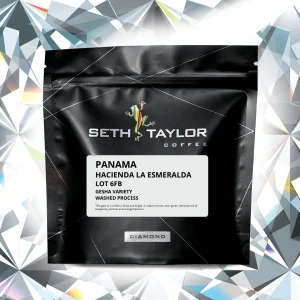
Built for pour-over drinkers who want Hacienda La Esmeralda's terroir through a natural-process lens, this lot delivers peach, jasmine, and blueberry at maximum brightness with bitterness low enough to disappear entirely.
The lime hits first, sharp and citrus-specific, then the floral opens; this is Geisha character that the medium roast has not buried.
Pomegranate and lemon verbena build through the cup to a bone-dry black tea finish, with parma violet florals surfacing mid-cup and vanishing before the swallow.
Citrus and white florals from first pour to finish, the sweetness holding clean through a near-weightless cup: the Gesha varietal doing exactly what the genetics promise.
Grapefruit up front, rosehip on the back of the tongue, and a sweetness that holds through the finish without building weight.
The washed process on SL-28 and SL-34 buys blackcurrant-edged acidity and dark fruit clarity, and trades nearly all of its body to get there.
Strawberry and raspberry brightness arrive first, sharp and sustained on the Geisha's floral frame, with honey sweetness carrying the cup through to a faint ginger close.
The decision to process Liberica through anaerobic natural fermentation trades the varietal's woody backbone for dense tropical sweetness, making this light roast unlike anything else in the filter-coffee category.
Jasmine and peach on maximum acidity, with so little body underneath that the cup's structure lives entirely in its citric sharpness and sweetness.
Thin body is the primary trade-off; the SL-28 and SL-34 acidity from Embu is the payoff.
Sangria and black cherry hit first, then the Wush Wush varietal's tropical fruit and florals emerge as the cup cools.