populus-coffee
Populus Coffee Ethiopia – Chelbesa
The washed light roast makes one clear bet: maximum acidity, maximum sweetness, and a body so light the cup stands or falls entirely on what the origin delivers.
Drip / auto brewing runs hot water through a paper filter and a bed of medium-ground coffee. The result: a clean, full-volume cup without the technique demands of pour over. At its best, a quality automatic brewer (Technivorm, Breville Precision Brewer) produces results close to manual pour over. At its worst — a cheap machine that brews at 175°F instead of 200°F — it produces under-extracted, weak coffee no matter how good the beans are.
Water temperature is the variable most auto brewers get wrong. 195–205°F is the extraction range. Machines under $50 often brew at 175°F. You can't fix under-temperature with better beans.
Medium roast is the sweet spot. The paper filter handles acidity well, so medium roast brightness comes through without becoming sharp. Dark roast loses texture through paper filtration but retains enough bitterness to taste intentional.
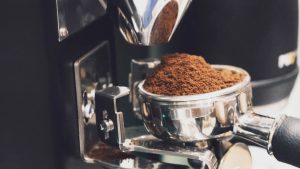
Consistent grind quality matters more than origin. A burr grinder producing even medium-ground coffee extracts correctly at any temperature. A blade grinder produces uneven grounds — some particles over-extract, others under-extract. The result is a cup that tastes both bitter and weak simultaneously.
Colombian, Nicaraguan, and Latin American blends are the most forgiving for drip. High-acid light roasts punish a machine brewing slightly below temperature.
Weak or flat drip coffee: machine temperature too low, grind too coarse, or ratio too low. Use 1:15 ratio (1g per 15g water) and check your machine's brew temperature with a thermometer if available. Most cheap auto brewers fall short.
Bitter drip coffee: grind too fine, brew time too long, or roast too dark for the machine's temperature. Go coarser first.
The washed light roast makes one clear bet: maximum acidity, maximum sweetness, and a body so light the cup stands or falls entirely on what the origin delivers.
Holds its sweetness across drip, pour over, and French press without the roast getting involved, and the payoff is stone fruit clarity grounded in Pacamara's structural weight.
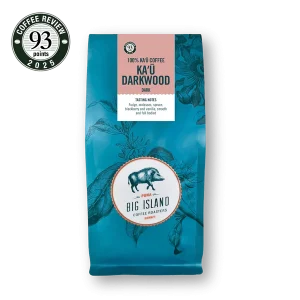
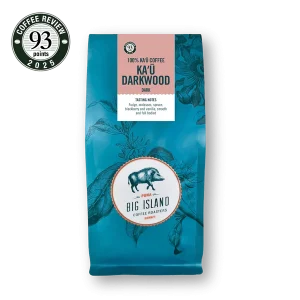
Built for the pour over or drip drinker who wants Hawaiian sweetness at full volume, this Ka'u delivers orange-and-honey clarity with almost no bitterness in the way.
The florals demand precision: brew it attentively and the Borbon Sidra delivers oolong and rose clarity that standard Fraijanes profiles never reach, but let the temperature drift or the cup sit and that distinction evaporates.
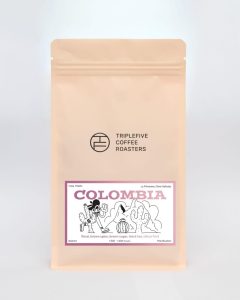
Lilo chose infused fermentation over direct Geisha expression, engineering lemon candy and yuzu into this Huila lot at maximum acidity, and what you get is technically accomplished but built around process rather than place.
Jasmine leads, peach follows, and the 777 double fermentation closes the cup on a calpis-like sweetness that a standard washed Ethiopian doesn't produce.
Pour over and drip pull citrus brightness and caramelized berry sweetness from this honey-processed Guji; the payoff is maximum sweetness at near-zero bitterness.
Specialty-grade Liberica from Malaysia costs more than grocery-tier alternatives, and the cup justifies the margin: tropical fruit sweetness on a full body, with jackfruit as the lead note and almost no bitterness to fight it.
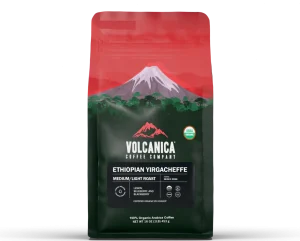
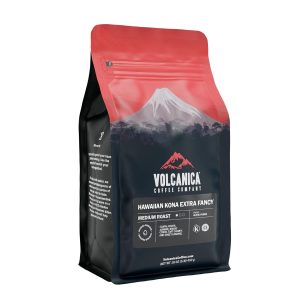
Volcanica prices this where specialty Yirgacheffe lands, and the medium-light roast is the decision that earns it: citrus acidity and blueberry sweetness arrive distinct, with just enough development to keep the cup from tasting raw.
Orange zest and caramelized sweetness arrive at full volume, sustained by a body heavier than most medium blends can manage.
Hazelnut warmth opens this cup, citrus takes over mid-palate, and maximum acidity and sweetness make it one of the more layered light roasts in the Tarrazú category.
The anaerobic natural process redirected this medium-roast Colombian from origin transparency toward fermentation sweetness and winey lift, and the trade pays off for drinkers who want the process to be the point.
Raspberry and grapefruit hit sharp, the sweetness underneath holds them, and the thermic process leaves malt where a standard Tarrazú would go clean.
Cranberry acidity up front, champagne candy on the back half: the anaerobic honey layer shifts the cup from tart to sweet across its profile.
Built for the filter drinker tracking high-acidity naturals, this Central Valley lot delivers pineapple-blackberry fruit with a dark chocolate close and bitterness low enough to hold that fruit all the way through the cup.
For the pour over drinker who wants a floral, honey-forward cup from certified Kona, the Bloom delivers maximum sweetness and jasmine presence with bitterness that never arrives.
At $1.75 per ounce, this Pink Bourbon earns most of its price tag: maximum citrus-driven acidity and genuine floral lift, with bitterness low enough (2/5) that the brightness stays clean all the way through.
Tart cherry arrives before the caramel, and neither is ever interrupted by bitterness.