big-island-coffee-roasters
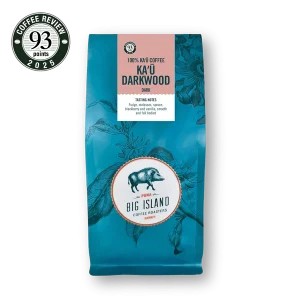
Big Island Coffee Roasters Ka’u Darkwood
The roast has consumed most of what Ka'ū's terroir offers, but the Maragogipe varietal keeps enough sweetness alive to separate this from an ordinary dark.
The caramel family, caramel through brown sugar, toffee, and molasses, is the taste of sugar caramelizing inside the bean. As coffee climbs through roughly 375 to 420 degrees Fahrenheit, the sucrose locked in the green seed breaks apart and reassembles into hundreds of new compounds: diacetyl for buttery richness, furanones for clean caramel sweetness, pyranones for the deeper pull of toffee. It is the same reaction that turns white sugar amber in a hot pan, run inside a roasting drum.
Medium roast is the peak. Light roast never gets hot enough to caramelize much. Dark roast burns past caramel into bitter, charred territory. Medium roast catches caramelization at its sweetest, which is why a medium roast tastes like the sweetest cup in the lineup despite carrying no added sugar at all.
Caramel. The brightest and cleanest of the family, a quick sweetness that fades without clinging. It defines medium-roast Colombian and the better commercial mediums: Illy Classico, Counter Culture Big Trouble, Caribou Blend, and Stumptown Hair Bender all carry it plainly.
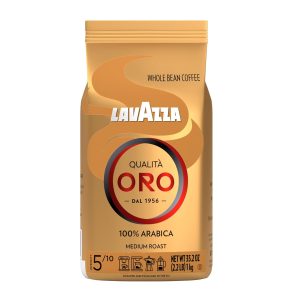
Brown sugar. Richer than caramel, with a warm molasses undertone. Common in medium-dark espresso blends, where it adds depth to crema. Lavazza Super Crema and Intelligentsia Black Cat carry brown sugar as a primary sweet note.
Toffee. Caramel taken one step further, drier, with a faint bitter edge, like the chew at the corner of a caramel that caught a little extra heat. Counter Culture Big Trouble carries toffee through its mid-palate.
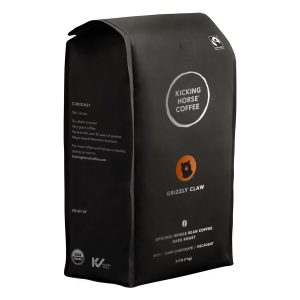
Molasses. The dark end. Heavy, almost savory sweetness with a thick texture, the sweetness of a dark roast pushed to the edge. Kicking Horse 454 Horse Power carries molasses beside dark chocolate and a thread of smoke.
Nothing is added. Every sweet note here is built from the bean's own sugars and the way the roast transforms them. This is worth saying plainly, because sweetness in coffee is often assumed to mean syrup or flavoring. It does not. A clean caramel cup is the product of careful roasting and decent green coffee, and it is one of the clearest signals that a roaster knows what they are doing.
Drinkers who take coffee black but want it to give something back. Caramel sweetness softens a cup without milk or sugar, and it pairs naturally with chocolate and nut to build the round, comforting profile most people picture when they think of good coffee. It is the easiest sweetness to brew and the hardest to dislike.
It is not for the drinker chasing the bright, juicy sweetness of fruit. Caramel is warm and roasted, not fresh and acidic. If you want sweetness that tastes like berries, look to natural-process and high-grown washed coffees instead.
The roast has consumed most of what Ka'ū's terroir offers, but the Maragogipe varietal keeps enough sweetness alive to separate this from an ordinary dark.
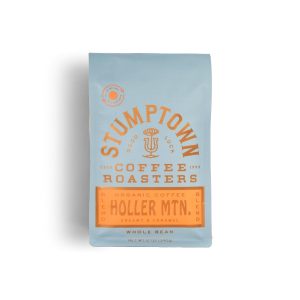
Built for the breakfast filter drinker who wants sweetness up front and no bite, this washed Colombian delivers caramel depth and a short orange lift without getting in the way.
Two hundred hours of anaerobic fermentation built real character into this Colombian; the dark roast decided what survived.
Pulls a forgiving espresso with enough sweetness to stand black, and handles pour over without issue; espresso is where this blend earns its keep.
Dense through espresso and forgiving in a moka pot, with baking spice and dark chocolate that survive the roast where similar blends flatten out.
Dark chocolate and pink peppercorn spice up front, sweetness that holds where most maximum-roast darks go flat, but the Kona origin's terroir character has been roasted past the point of register.
The drinker who runs auto-drip or pour over most mornings and wants a light roast that doesn't turn harsh at variable extraction: the House Blend is built for that routine.
The cup delivers what the spec sheet promises: maximum body, maximum sweetness, and dried fruit character from Sul De Minas heritage arabica that performs without demanding anything unusual from the brewer.
Lavazza chose washed processing across this multi-origin blend to lock in clarity, and the payoff is a consistently sweet, low-bitterness cup that holds up across every brew method on its label.
The price buys real body and lasting sweetness despite maximum roast intensity, though nothing in the cup traces back to any of the three origins.
Blue Bottle's price for a blend that delivers real body and a dried fruit lift over chocolate, but the cup earns only part of what the label charges.
The blend does not earn the Stumptown price premium, but the high sweetness and low bitterness deliver a forgiving cup across every method on the label.
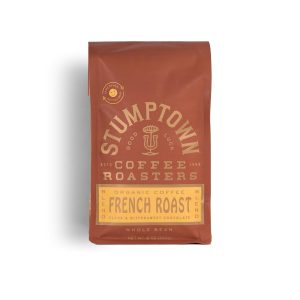
Clove and bittersweet chocolate push through the smoke, and what stays on the palate is more specific than most French Roasts manage.
Dark chocolate bitterness with a caramel-sweetness backbone that keeps the cup from going flat, but the roast has consumed most of what Nicaragua originally offered.
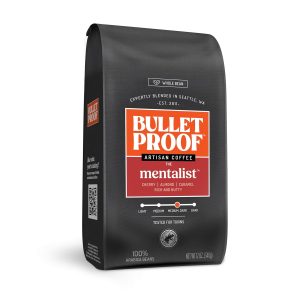
Cherry opens the cup, dark cocoa closes it, and the 4/5 body holds everything together in milk: the espresso credentials are real, but Bulletproof's name adds a cost the cup alone doesn't recover.
Maximum roast intensity trades every trace of origin character for a heavy, chocolate-forward cup that stays controlled on bitterness despite running the roast dial all the way up.
The 9-country blend erases origin character by design, but the sweetness execution is genuine and the cup holds across espresso, drip, and French press without demanding anything from the brewer.
The value case for a medium-dark Sumatran Aceh rests on the body, and this one delivers: 5/5 weight in the cup, roasted to amplify caramelized sweetness without tipping bitterness past the moderate range.