gearbox-coffee-roasters
Gearbox Coffee Roasters Costa Rica Finca Volcan Azul
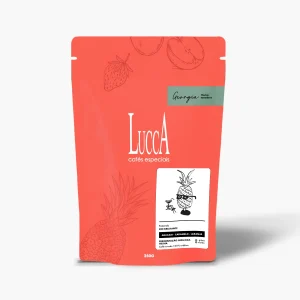
Tropical fruit brightness from the first sip and near-zero bitterness all the way down, building sweetness that exits clean rather than cloying.
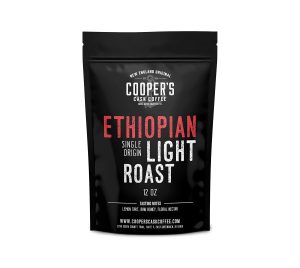
Bergamot, orange blossom, jasmine, a clean citrus brightness: these are the calling cards of high-grown washed coffee, and Ethiopia above all. They are not added flavors. They are terpenes and esters, linalool, geraniol, and citric acid derivatives, that form in coffee cherries grown high on the mountain and survive into the cup when the coffee is washed and roasted light.
The chemistry is direct enough to name. Linalool, the compound that makes jasmine smell like jasmine, turns up in measurable amounts in high-grown Ethiopian washed coffee. Bergamot's bright citrus-floral edge comes from the same terpene family, the same note that perfumes Earl Grey tea. Roast these coffees light and the aromatics survive. Roast them dark and you burn the perfume off entirely.
Atlas Coffee Club Ethiopia Limu. The clearest example in the catalog: bergamot, jasmine, and stone fruit in one light-medium washed cup from the Limu sub-region. Citrus and floral arrive together, in focus.
Onyx Coffee Lab Southern Weather. Cream soda and bright acidity over a floral undertone, a light-roast Ethiopia-based blend where the florals lift rather than dominate.
Illy Classico. Orange blossom and jasmine as secondary notes inside a multi-origin Arabica blend. The medium roast is judged to keep the florals from the lighter origins alive.
Stumptown Hair Bender and Don Francisco's Colombia Supremo. Mild citrus as a background brightness in medium-roast Latin American profiles, a lift rather than a headline.
Citrus and floral notes are aromatics first and flavor second. They live in the nose, not on the tongue. The way to catch them is to smell before you sip: cup the coffee, lean over the bowl, and breathe. In an Ethiopian washed coffee the jasmine and bergamot register before the liquid ever reaches your lips.
Brew them clean. Pour over and the slow steep of a cupping bowl both preserve the aromatics, and the paper filter keeps the cup transparent so the florals are not muddied. Keep the water a touch cooler, around 195 to 200 degrees Fahrenheit, and roast light. Immersion brewing in a French press flattens exactly the high notes you are reaching for.
The drinker who wants coffee to be interesting. These are the most surprising, least coffee-like coffees on the spectrum, and they convert people who thought they disliked black coffee. They reward attention: a slow pour over on a quiet morning, smelled before it is tasted.
They are not for the drinker who wants weight and low acid to gulp on the way out the door. Citrus and floral come with high acidity and a light body. For something to drink without thinking, the chocolate and nutty end of the spectrum will serve better.
Tropical fruit brightness from the first sip and near-zero bitterness all the way down, building sweetness that exits clean rather than cloying.
Citrus and ginger brightness backed by maximum sweetness, all suspended above a cup with almost no body to anchor it.
Performs cleanest through pour over and drip, where jasmine-lime acidity and high sweetness resolve into something specific; French press works but flattens the character.
Saturated red-fruit intensity at maximum sweetness and acidity, with almost no body to anchor it.
Where Ka'u Darkwood digs into volcanic mineral depth, this Peaberry stays lifted: blackberry and orange up front, brown-sugar sweetness through the finish, and almost no bitterness to negotiate.
The washed process commits this Guji Uraga to maximum acidity and floral precision, trading every ounce of body for a cup that is almost entirely flavor and edge.
Specialty pricing for a cofermented Colombian that delivers vivid apricot and floral brightness; the body barely registers, but the sweetness and acidity hit maximum intensity.
For the pour-over drinker who has reached the ceiling of Colombian comfort, this Rwanda Maraba delivers maximum citric brightness and caramel sweetness in a cup that sharpens its acidity where a Colombian would soften it.
The price demands proof; pineapple-lime brightness anchored by a dark chocolate finish delivers it.
Buy this knowing you're paying specialty-import pricing for a Guatemalan natural that delivers on the promise: maximum sweetness, a tamarind-berry arc across the cup, and almost no bitterness to push back against.
Built for the pour-over drinker who wants maximum acidity and exotic fruit definition, the El Paraiso Lychee delivers soursop and mandarin clarity specific enough to identify in the cup.
Lemon sharpness on the first sip, dark maple sweetness through the mid-palate, and a grain-dry finish with bitterness barely registering.
Dried apricot opens heavy, the body stays through to the end, and nothing bitter chases it.
At a premium Grade 1 price, "Bold" is a label the roasting never earned: the Goma Woreda lot itself delivers the lemon-tart brightness and wild berry sweetness, and the natural process does the rest.
Citrus brightness and honey sweetness at maximum on both registers, delivered through a frame thin enough that the extraction window matters.
The thermo-shock process is a specific bet: maximum florals and herbal lift in exchange for body. This cup commits to that trade.
Bright citrus opens it, caramel sweetness fills the mid-palate, and the finish closes without bitterness clouding the end of the cup.
Peach and rose at maximum acidity, with almost no roast in the way: the Aricha character arrives clean, and the finish exits before the cup cools.