no-six-depot-coffee-roasters
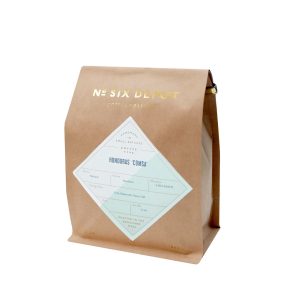
No. Six Depot Coffee Roasters Ethiopia Amaro Gayo
Blueberry and dried banana hit clean on a thin, high-acid frame; pour over is where this cup does its best work.
Light roast reaches 385–400°F internally. The bean never fully caramelizes — the natural sugars convert only partially, producing a pale to light-brown bean. What's preserved: high acidity, floral aromatics, fruit notes, and the flavor character unique to the origin. What's absent: dark chocolate, smokiness, and any roast-derived bitterness.
Light roast does not mean weak. The misconception that darker roast equals stronger coffee is wrong — caffeine degrades slightly at higher temperatures, so light roast is marginally higher in caffeine by weight. "Strong" is a function of brew ratio, not roast level.
Acidity: high. Light roast retains chlorogenic acids that darker roasts break down. The brightness is sharp and clean in well-sourced light roasts; thin and sour in poorly sourced ones.
Body: light. The bean cell structure hasn't fully expanded. Less oil extraction. Paper-filtered light roast is tea-like in weight.
Sweetness: natural fruit sweetness from the origin, not caramel sweetness from roasting.
Bitterness: minimal. No roast-derived bitterness. If it tastes bitter, the extraction is over-running.
Pour over enthusiasts. Drinkers who want to taste the origin, not the roast. Anyone who finds dark roast one-dimensional. Ethiopian and other high-altitude African origins in light roast are the strongest argument for the category.
Anyone who needs body and sweetness to enjoy black coffee. Anyone whose first instinct with coffee is to add milk — light roast with milk tastes like very weak tea. Dark roast is forgiving of milk; light roast is not. Anyone who uses an auto-drip machine brewing below 195°F — the under-temperature extraction turns light roast into acidic dishwater.
Blueberry and dried banana hit clean on a thin, high-acid frame; pour over is where this cup does its best work.
Performs best in a slow pour over where the jasmine-to-apricot arc has room to develop in sequence, delivering Yirgacheffe's defining brightness without a gram of body to slow it down.
At $0.84 per ounce for a washed Bensa lot, the Mirado delivers maximum acidity and stone-fruit clarity in a cup with almost no body.
Saturated red-fruit intensity at maximum sweetness and acidity, with almost no body to anchor it.
Tropical fruit brightness from the first sip and near-zero bitterness all the way down, building sweetness that exits clean rather than cloying.
The washed process stripped this Bench Maji down to its sharpest frequency: maximum acidity, negligible body, and a sweetness that keeps the cup from collapsing into austerity.
The washed process commits this Guji Uraga to maximum acidity and floral precision, trading every ounce of body for a cup that is almost entirely flavor and edge.
Specialty pricing for a cofermented Colombian that delivers vivid apricot and floral brightness; the body barely registers, but the sweetness and acidity hit maximum intensity.
The cup opens on citric brightness and delicate florals, then shifts into something quieter and more tea-like as it drops below serving temperature.
At a premium Grade 1 price, "Bold" is a label the roasting never earned: the Goma Woreda lot itself delivers the lemon-tart brightness and wild berry sweetness, and the natural process does the rest.
Cherry and cocoa in a pour-over-first light roast running maximum acidity and sweetness: the cup rewards temperature control.
Pear brightness at the front, brown sugar through the finish, and a medium body that stops the 5/5 acidity and sweetness from reading as paper-thin.
Built for pour over drinkers who track florals before everything else, this Worka Chelichele cup delivers bergamot, jasmine, and lemon at maximum acidity with very little weight underneath.
At $1.70/oz, you're paying for specificity: strawberry and cream soda in a washed light roast that registers almost no bitterness.
Built for the pour-over specialist who tracks water temperature and wants Yirgacheffe at its most defined: maximum citrus-floral acidity, high sweetness, and a finish that clears the palate fast.
The thin body leaves the cup without structural support, but the anaerobic fermentation on Red Bourbon pulls blackberry and mango fruit that few Rwandan lights can match.
For the pour-over drinker who wants more fruit weight from an Ethiopian light roast than a washed lot delivers, the Okoluu Guji puts peach and honey ahead of the citrus, with maximum acidity behind it and nothing in the way of bitterness.
The anaerobic natural process draws baked apple, ginger, and cinnamon from West Valley Catuai that conventional drying would never reach, but the 2/5 body means there is nothing beneath the flavor to catch a loose extraction.