Onyx Coffee Lab Colombia La Riviera Nitro Watermelon
Raspberry and watermelon candy from an inoculated ferment, riding 5/5 acidity through a cup that requires a precise pour to deliver everything the processing promises.
Light roast reaches 385–400°F internally. The bean never fully caramelizes — the natural sugars convert only partially, producing a pale to light-brown bean. What's preserved: high acidity, floral aromatics, fruit notes, and the flavor character unique to the origin. What's absent: dark chocolate, smokiness, and any roast-derived bitterness.
Light roast does not mean weak. The misconception that darker roast equals stronger coffee is wrong — caffeine degrades slightly at higher temperatures, so light roast is marginally higher in caffeine by weight. "Strong" is a function of brew ratio, not roast level.
Acidity: high. Light roast retains chlorogenic acids that darker roasts break down. The brightness is sharp and clean in well-sourced light roasts; thin and sour in poorly sourced ones.
Body: light. The bean cell structure hasn't fully expanded. Less oil extraction. Paper-filtered light roast is tea-like in weight.
Sweetness: natural fruit sweetness from the origin, not caramel sweetness from roasting.
Bitterness: minimal. No roast-derived bitterness. If it tastes bitter, the extraction is over-running.
Pour over enthusiasts. Drinkers who want to taste the origin, not the roast. Anyone who finds dark roast one-dimensional. Ethiopian and other high-altitude African origins in light roast are the strongest argument for the category.
Anyone who needs body and sweetness to enjoy black coffee. Anyone whose first instinct with coffee is to add milk — light roast with milk tastes like very weak tea. Dark roast is forgiving of milk; light roast is not. Anyone who uses an auto-drip machine brewing below 195°F — the under-temperature extraction turns light roast into acidic dishwater.

Raspberry and watermelon candy from an inoculated ferment, riding 5/5 acidity through a cup that requires a precise pour to deliver everything the processing promises.
Across pour over and aeropress the fruit lands fast and vivid, and the payoff is a sweet finish where peach, dried fruit, and chocolate each hold their shape.
Boysenberry at full intensity, with almost no body to soften it.
The raspberry-and-honey payoff is consistent across pour over, aeropress, and drip; pour over resolves the layers with the most definition.
The thin body is the honest entry fee; the anaerobic washed process draws genuine jasmine, peach, and yellow pear from Arbegona in a way that outstrips what a standard Ethiopian washed light roast can deliver.
Grapefruit at entry, jasmine through the middle, and a maple sweetness that closes the sip with almost no weight behind it from first to last.
Performs best through pour over and aeropress where its tamarind-grapefruit acidity and dried florals land clean, but the near-absent body means there is no buffer when extraction goes wrong.
Built for the pour-over enthusiast who wants to taste what a rare Colombian varietal does in the cup, this Ombligón natural from El Diviso runs dark cherry and prune depth backed by maximum sweetness and a medium body that holds together across extraction styles.
The washed light roast makes one clear bet: maximum acidity, maximum sweetness, and a body so light the cup stands or falls entirely on what the origin delivers.
This Sidama natural performs best in pour over and aeropress, where maximum acidity resolves into raspberry brightness and caramelized sweetness carries through the finish, with thin enough body that neither element has anything to hide behind.
Hazelnut warmth opens this cup, citrus takes over mid-palate, and maximum acidity and sweetness make it one of the more layered light roasts in the Tarrazú category.
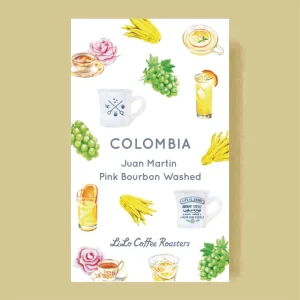
Lilo chose infused fermentation over direct Geisha expression, engineering lemon candy and yuzu into this Huila lot at maximum acidity, and what you get is technically accomplished but built around process rather than place.
Cranberry acidity up front, champagne candy on the back half: the anaerobic honey layer shifts the cup from tart to sweet across its profile.
Peach and lemon arrive in layers on maximum acidity, with a ceylon-dry finish that closes fast, all on a cup that has essentially no body to cushion any of it.
Natural processing on a light-roasted Caturra delivers lime and plum where most naturals give dried fruit and syrup: the trade is a sharper, more demanding cup that rewards attentive filter brewing.
Built for filter drinkers who want African fruit character without sacrificing body, this blend layers winey blueberry and lemon zest over a Ugandan chocolate base that keeps the cup from going weightless.
Pour-over precision and citric brightness first, layered fruit second: lemon and jasmine in the first half of the cup, peach and blueberry in the second, with dry fermentation delivering a flavor range broader than the roast level alone would give.
The price demands proof; pineapple-lime brightness anchored by a dark chocolate finish delivers it.