ruby-coffee-roasters
Ruby Coffee Witch’s Brew
The washed process and medium roast here make one deliberate trade: origin transparency for sweetness delivery, and Ruby executes that trade well.
Medium roast reaches 415–435°F, just after first crack and before second crack begins. Sugars caramelize — caramel and brown sugar notes emerge from the roasting process itself, not just the origin. Acidity softens to a mild brightness. Body develops. Bitterness stays low.
Medium roast is the universal roast level. It's forgiving of brew method variation, origin inconsistency, and equipment limitations. The most-purchased bag of coffee in any grocery store is a medium roast for this reason.
Acidity: medium. Present enough to keep the cup lively; not aggressive enough to challenge an average palate.
Body: medium. Enough weight to feel satisfying without the heaviness of dark roast.
Sweetness: high. Caramelization produces the sweetest cup of any roast level. No roast bitterness competing with sugar development.
Bitterness: low. Medium roast is the sweet spot before roast-derived bitterness overtakes caramel sweetness.
Anyone who drinks coffee daily and wants a reliable cup without thinking about it. Drip machine users. Anyone who adds a small amount of milk for texture but wants to taste the coffee. Medium roast works at every price point.
Light roast enthusiasts who want origin clarity — medium roast development covers some of the floral and fruit notes. Drinkers who want the intensity of dark roast in espresso. Those two audiences know what they want.
The washed process and medium roast here make one deliberate trade: origin transparency for sweetness delivery, and Ruby executes that trade well.
Cocoa powder on the swallow and honey in the weight: this washed Brazilian medium is built around sweetness, and it delivers on that completely.
The cherry and caramelized sweetness land early, and the body carries them straight to the finish.
The medium roast pulls the Chimbu sweetness to the front and trades away the brightness that a lighter hand would have kept.
Pay single-origin prices and you get a Honduras microlot that leads with peach and honey and keeps the bitterness near zero through the finish.
The blend format keeps either origin from reaching full expression, but the near-absent bitterness and cherry-brown sugar clarity make a drip or pour over cup that earns its place.
Caramel sweetness from the first sip, a suggestion of fruit through the middle, and a finish that drops without dragging anything bitter with it.
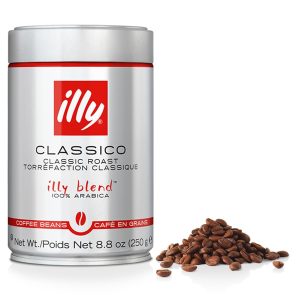
Espresso and pour-over drinkers who want a premium blend with a specific floral-caramel signature will find the Classico occupies a slot most grocery-tier mediums leave empty.
The defining thing in this cup is the body: 4/5 weight carrying brown sugar and praline sweetness through any filter brew without asking much of you.
Monsoon Malabar exposure trades acidity and brightness for something stranger: a dense, earth-forward cup where tobacco and spice are the point, not a side effect.
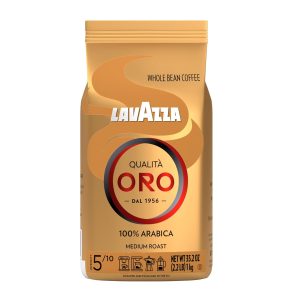
Lavazza chose washed processing across this multi-origin blend to lock in clarity, and the payoff is a consistently sweet, low-bitterness cup that holds up across every brew method on its label.
Holds its shape across drip, pour over, and espresso in a way most Latin America blends at this price tier don't: the body is real, the bitterness stays out of the way, and the sweetness has something to say.
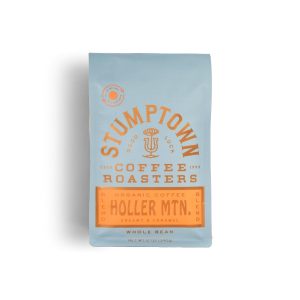
The blend does not earn the Stumptown price premium, but the high sweetness and low bitterness deliver a forgiving cup across every method on the label.
The drinker who runs auto-drip or pour over most mornings and wants a light roast that doesn't turn harsh at variable extraction: the House Blend is built for that routine.
The red fruit lifts mid-cup as it cools, pulling what starts as a caramel base into a second register that gives the pour over something to reveal.
Built for the breakfast filter drinker who wants sweetness up front and no bite, this washed Colombian delivers caramel depth and a short orange lift without getting in the way.
Pulls a forgiving espresso with enough sweetness to stand black, and handles pour over without issue; espresso is where this blend earns its keep.
The cup delivers what the spec sheet promises: maximum body, maximum sweetness, and dried fruit character from Sul De Minas heritage arabica that performs without demanding anything unusual from the brewer.