real-good-coffee-co
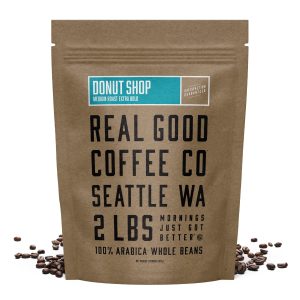
Real Good Coffee Co Donut Shop Medium Roast
Brown sugar is what you get first and last, with almost no bitterness to interrupt it.
French press is full immersion: coarsely ground coffee steeps in hot water for 4 minutes, then a metal mesh plunger separates grounds from liquid. The metal filter passes oils that paper filters trap — that's why French press coffee has a heavier, richer texture than drip. You're drinking the whole coffee.
The trade-off: fine particles and sediment pass through the mesh. French press coffee has a slight grittiness at the bottom of the cup. Some drinkers prefer this. Some don't.
Full body. The immersion method emphasizes body — beans with heavy body (Sumatra, dark roasts, Indonesian origins) taste best here. Camano Island Sumatra in a French press is exactly right: earthy, heavy, no apology.
Medium to dark roast. Light roast in French press is drinkable but wastes the method. The aromatics that make light roast interesting pass through quickly in immersion; the method emphasizes body and bitterness, which light roast lacks.
Low acidity. Four-minute immersion extracts acid compounds thoroughly. High-acid beans turn sharp. Low-acid dark roasts (Peet's Major Dickason's, Death Wish, Kicking Horse 454) are the best match.
Muddy, over-extracted French press: grind too fine. The mesh plunger can't filter out fine particles, so they continue extracting after pressing and saturate the cup with bitter compounds. Use a coarse grind — the largest setting on most burr grinders. Aim for particles the size of coarse sea salt.
Weak, thin cup: steep time too short or ratio too low. 4 minutes minimum. Use 1:15 ratio (1g coffee per 15g water) as a baseline, then adjust.
Brown sugar is what you get first and last, with almost no bitterness to interrupt it.
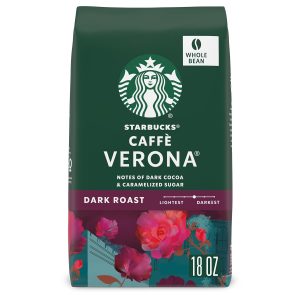
The Starbucks name costs more than the cup earns back, but heavy body and controlled bitterness give this dark blend a real case for milk drinks and espresso.
The roast is the entire story here: maximum intensity, heavy body, and a cocoa-powder bitterness that sits forward from the first sip, with origin character almost entirely behind it.
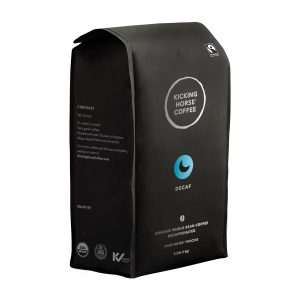
Roast-forward from first sip to a dry, persisting close, this Swiss Water decaf delivers consistent dark roast character at volume without asking anything precise from the brewer.
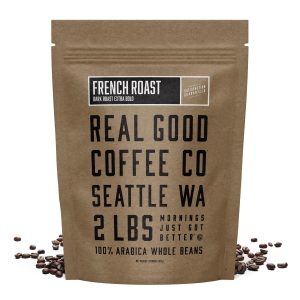
Dark chocolate and smoke from first contact through a heavy, flat finish: this cup executes the French Roast contract precisely and stops there.
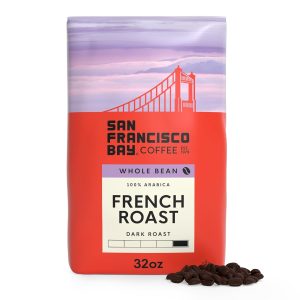
Smoke and char from first contact, a heavy body that holds through the cup, and a finish that sits dry rather than fading.
The body holds through every brew method on the list, but maximum roast intensity has flattened the East Africa component entirely, and the low sweetness leaves little to work with once the bitterness arrives.
The cup opens on mild chocolate, holds a low-acid calm through the mid-palate, and closes without bitterness or complication.
Brown sugar sweetness and low bitterness deliver the mild character this blend promises, but thin body and a borrowed name are doing most of the heavy lifting.
French press extracts the most from it, where the heavy body does the lifting; drip works, but runs the bitterness harder than the cup can balance on its own.
Starbucks pushed this roast to maximum intensity and traded every trace of Latin American or Asia-Pacific origin character for a cup defined by char and smoke.
For the drinker who treats coffee as fuel and not feature, this delivers a low-bitterness, light-bodied cup that sets no demands on the morning.
Body at maximum and bitterness to match. This cup is built for force, and it delivers exactly that.
Smoke and earthy cocoa arrive early, the roast stays in control, and this bag never asks you to pay attention.