illy
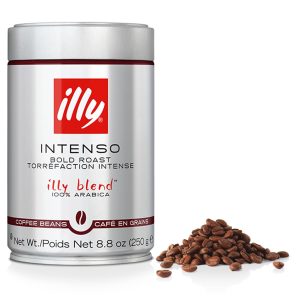
Illy Intenso Whole Bean Dark Roast
The body is there and the finish clears before it turns harsh, but the price reflects the Illy label more than it reflects what's in the cup.
The moka pot forces steam pressure (around 1–2 bars, not 9 like espresso) through medium-fine ground coffee. The result is concentrated — stronger than drip, weaker than true espresso — with a bold, sometimes slightly bitter character. The cup is thick and full-bodied but without crema.
Moka pot is not espresso. The pressure is too low and the brew time too long. It's its own product: intense, approachable, and forgiving of slightly coarser grind than espresso demands.
Medium-dark to dark roast. The moka pot's slower extraction extracts bitterness easily from lighter roasts. Medium-dark is the safe zone: developed enough to resist bitterness, not so dark it burns.
Lower acidity. The concentrated extraction amplifies acidity. High-acid beans produce sharp, sour results in a moka pot.
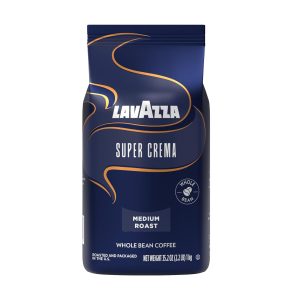
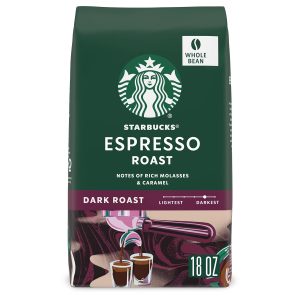
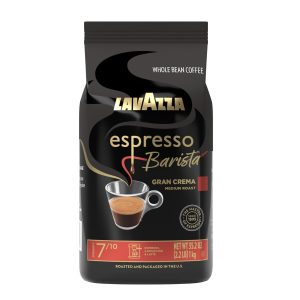
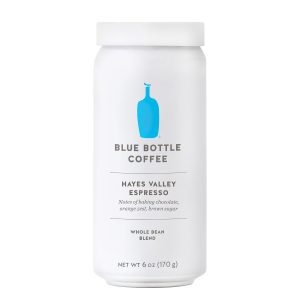
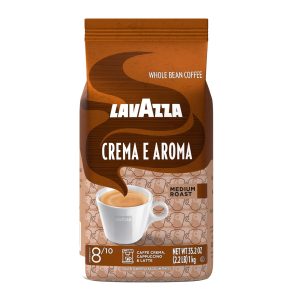
Blends over single origins for most drinkers. Espresso-profile blends (Lavazza, Blue Bottle Hayes Valley, Café Bustelo) are calibrated for concentrated brewing and pull well from a moka pot.
Bitter, muddy moka pot: two likely causes. First: grind too fine — moka pot needs a medium-fine grind, not espresso-fine. Coffee ground for espresso compacts in the basket and over-extracts. Second: heat too high — the water should push through at a slow bubble, not a rushing boil. High heat drives steam faster than the coffee can absorb it, burning the extraction.
Fix: medium-fine grind, medium-low heat. The gurgle at the end of a moka pot brew should be slow and intermittent, not a sustained rush.
The body is there and the finish clears before it turns harsh, but the price reflects the Illy label more than it reflects what's in the cup.
The blend flattens three origins into a single, predictable profile, but the body is real and the low acidity makes it forgiving on home espresso equipment.
Cedar and cocoa pressed into a shot of maximum density: this cup leads with weight and asks you to meet it with milk.
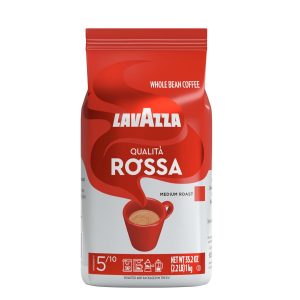
Qualita Rossa runs reliably across espresso, moka pot, drip, and French press, and the flip side of that cross-method consistency is a cup that has no character of its own to lose.
The undisclosed sourcing caps what this cup can say about itself, but a 4/5 body and 4/5 sweetness make it one of the more forgiving pulls in the medium-roast blend category.
This blend was pushed into the dark until origin stopped being the story: what's left is heavy body, caramel sweetness, and a roast structure built to hold up under milk.
The large-format bag signals this as a volume buy, and the cup delivers on that positioning: thick body and persistent crema, with low acidity that tolerates minor extraction variation without complaint.
$1.83 per ounce for a dark espresso blend that earns its place in a milk-drink station but struggles to justify the brand premium for anyone taking shots black.
The 35.2 oz tin is the value pitch, and what you get for it is a heavy, low-acid espresso base that carries milk drinks well and has little to offer when you drink it straight.
Built for the moka pot and the short espresso pulled into milk, this delivers maximum body at a grocery price with nothing in the roast held back.
This is the budget tier's answer to New Orleans-style coffee at home, and the chicory is not a gimmick but the structural spine of the cup.
Maximum roast intensity has stripped origin character from all three source countries, leaving a cup heavy in body and bitterness that earns its keep under milk but has little to offer black.