onyx-coffee-lab
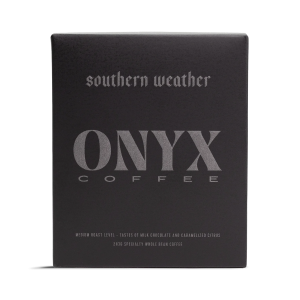
Onyx Coffee Lab Southern Weather Blend
At $1.70/oz, you're paying for specificity: strawberry and cream soda in a washed light roast that registers almost no bitterness.
Pour over (Chemex, Hario V60, Kalita Wave) forces hot water through a paper filter and a bed of medium-fine ground coffee by gravity. The paper filter catches oils and fine particles — the cup is clean, bright, and specific. What you taste is the coffee without interference.
This is why pour over is the method for light roast and single-origin coffees. The clarity it produces makes origin character legible. Ethiopian pour over tastes like bergamot and jasmine because the pour over doesn't obscure those notes. French press would flatten them.
Light to medium roast. Pour over is the worst method for very dark roasts — the paper filter removes the oils that give dark roasts their texture, and what's left is bitterness without body. If you love dark roast, use French press.
High acidity and bright aromatics. Pour over is where bright, fruit-forward coffees shine. Atlas Ethiopia Limu and Onyx Southern Weather are built for pour over. The method lets the bergamot and stone fruit read clearly.
Single origins over blends for the full benefit. Blends are engineered for consistency; pour over reveals individuality. Use single origins to get what the method offers.
Grind: medium-fine. Ratio: 1:16 (1g coffee per 16g water) as a starting point. Water temperature: 195–205°F. Bloom with 2× the weight of water in coffee — 30 seconds. Pour in slow circles, keeping water level consistent.
Total brew time: 3–4 minutes. Under 3 minutes suggests grind too coarse or pour too fast (under-extracted). Over 4 minutes suggests grind too fine (over-extracted, bitter).
At $1.70/oz, you're paying for specificity: strawberry and cream soda in a washed light roast that registers almost no bitterness.
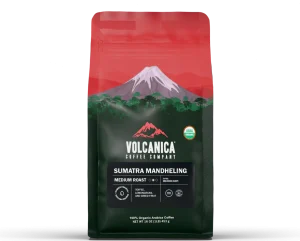
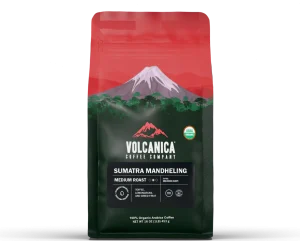
Volcanica charges specialty rates, and the 4/5 acidity held through a medium roast from Guatemala's high-altitude Huehuetenango region is what backs that up.
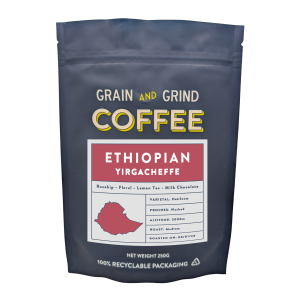
Built for pour over drinkers who track florals before everything else, this Worka Chelichele cup delivers bergamot, jasmine, and lemon at maximum acidity with very little weight underneath.
Pear brightness at the front, brown sugar through the finish, and a medium body that stops the 5/5 acidity and sweetness from reading as paper-thin.
At a specialty-roaster premium, this delivers exactly what washed Gedeb is built for: black tea depth, peach-bright acidity at maximum intensity, and a floral profile that earns its price when the brewing conditions are right.
Expensive for what the cup delivers, but the citrus-forward brightness and low-bitterness profile are genuine Kona character and worth tasting once.
The medium roast trades away Yirgacheffe's most extreme florals for a cup that delivers real brightness across a wider range of filter setups and grind tolerances.
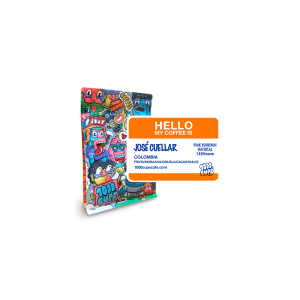
The thin body leaves the cup without structural support, but the anaerobic fermentation on Red Bourbon pulls blackberry and mango fruit that few Rwandan lights can match.
For the pour-over drinker who wants more fruit weight from an Ethiopian light roast than a washed lot delivers, the Okoluu Guji puts peach and honey ahead of the citrus, with maximum acidity behind it and nothing in the way of bitterness.
Built for the pour-over specialist who tracks water temperature and wants Yirgacheffe at its most defined: maximum citrus-floral acidity, high sweetness, and a finish that clears the palate fast.
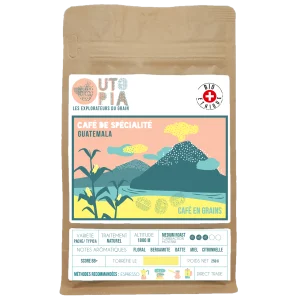
The medium roast holds back some of what controlled inoculation fermentation builds, but the sweetness and body that come through are more specific than most medium-roast Guatemalas at this price deliver.
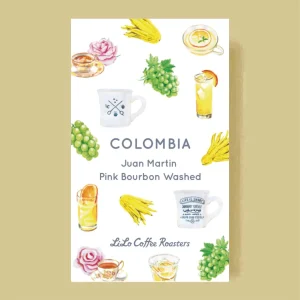
The lemon brightness hits early and holds; the prune deepens as the cup cools, giving this washed Nariño more range than its roast level suggests.
Strawberry and blueberry dominate from the first sip, with the light roast preserving the natural fermentation compounds so the fruit arrives vivid and the finish settles dry.
The anaerobic natural process draws baked apple, ginger, and cinnamon from West Valley Catuai that conventional drying would never reach, but the 2/5 body means there is nothing beneath the flavor to catch a loose extraction.
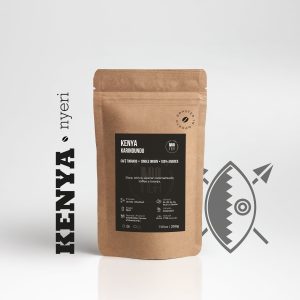
Thin in the cup with no weight to lean on, but the citrus brightness and stone fruit sweetness of this washed Uraga Ethiopia are real.
For the filter drinker measuring this against intensity-forward coffees: El Eden lands at the other end of that scale, maximum acidity and sweetness with minimal body, built on cherry and orange fruit with nothing roasty behind it.
Across drip, pour over, and French press, this South Kona medium delivers a honey-and-caramel sweetness that carries the cup without requiring anything from the brewer.
Priced as a small-batch specialty entry, this washed Huehuetenango delivers the altitude-driven sweetness and stone fruit clarity the region promises, with the Catimor varietal as the honest ceiling on how far that goes.