What Pour Over Does to Flavor
Pour over (Chemex, Hario V60, Kalita Wave) forces hot water through a paper filter and a bed of medium-fine ground coffee by gravity. The paper filter catches oils and fine particles — the cup is clean, bright, and specific. What you taste is the coffee without interference.
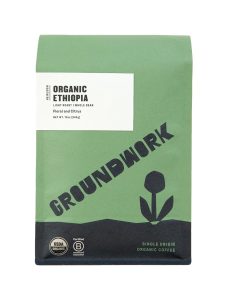
This is why pour over is the method for light roast and single-origin coffees. The clarity it produces makes origin character legible. Ethiopian pour over tastes like bergamot and jasmine because the pour over doesn't obscure those notes. French press would flatten them.
What Bean Characteristics Suit Pour Over
Light to medium roast. Pour over is the worst method for very dark roasts — the paper filter removes the oils that give dark roasts their texture, and what's left is bitterness without body. If you love dark roast, use French press.
High acidity and bright aromatics. Pour over is where bright, fruit-forward coffees shine. Atlas Ethiopia Limu and Onyx Southern Weather are built for pour over. The method lets the bergamot and stone fruit read clearly.
Single origins over blends for the full benefit. Blends are engineered for consistency; pour over reveals individuality. Use single origins to get what the method offers.
Technique Basics
Grind: medium-fine. Ratio: 1:16 (1g coffee per 16g water) as a starting point. Water temperature: 195–205°F. Bloom with 2× the weight of water in coffee — 30 seconds. Pour in slow circles, keeping water level consistent.
Total brew time: 3–4 minutes. Under 3 minutes suggests grind too coarse or pour too fast (under-extracted). Over 4 minutes suggests grind too fine (over-extracted, bitter).
Frequently Asked Questions
- Is pour over worth it for dark roast?
- No. Paper filtration removes the oils that carry dark roast flavor. You get bitterness without body. Dark roast goes in a French press or drip machine. Reserve pour over for light and medium roast coffees where the clarity is the point.
- What's the difference between V60 and Chemex pour over?
- Filter thickness. Chemex uses a 20–30% thicker paper filter that removes more oils and produces a very clean, light cup. The V60 filter is thinner — more body passes through. Both reward the same bean characteristics. Chemex produces a slightly cleaner extraction.
- Do I need a gooseneck kettle for pour over?
- Yes, if you want control. A gooseneck controls pour rate and placement precisely. A regular kettle pours too fast and too chaotically — you'll agitate the grounds unevenly and extraction suffers. If you're investing in pour over, invest in a gooseneck kettle.