my-liberica
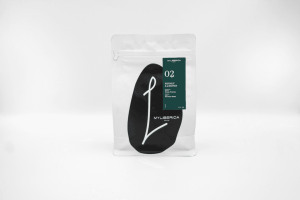
My Liberica Signature Blend
Wild ginger and black tea from a Malaysian Liberica, roasted medium-dark to build maximum body while preserving the varietal's spice character.
Dark chocolate in coffee signals medium-dark to dark roast development. Look for it in full-bodied beans at low acidity: Peet's Major Dickason's, Kicking Horse 454 Horse Power, and Camano Island Sumatra carry this note most clearly. The bitterness is intentional — a good dark chocolate note finishes cleanly without linger. See the Chocolate family guide for more.
Wild ginger and black tea from a Malaysian Liberica, roasted medium-dark to build maximum body while preserving the varietal's spice character.
Dark chocolate up front, a cherry note that outlasts the roast, and enough body to anchor milk drinks without bitterness dragging the cup down.
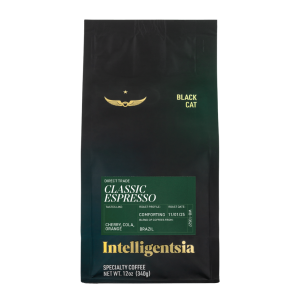
At $1.46 an ounce, Intelligentsia's name carries part of the price; the low acidity and genuine body carry the rest.
The roast has compressed most of the origin character, but the 4/5 body and controlled bitterness make this a capable espresso blend for lattes and milk drinks.
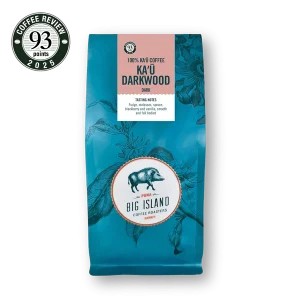
The roast has consumed most of what Ka'ū's terroir offers, but the Maragogipe varietal keeps enough sweetness alive to separate this from an ordinary dark.
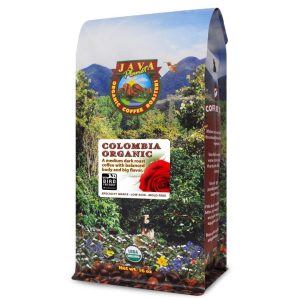
The roast has consumed most of what makes single-origin Colombian worth seeking at a premium, but the body it leaves behind is heavy, low-bitterness, and more approachable than most coffees at this roast intensity manage.
Dense through espresso and forgiving in a moka pot, with baking spice and dark chocolate that survive the roast where similar blends flatten out.
Dark chocolate and pink peppercorn spice up front, sweetness that holds where most maximum-roast darks go flat, but the Kona origin's terroir character has been roasted past the point of register.
Built for the auto-drip regular or home espresso drinker who wants a full-bodied, low-acid cup with dark chocolate and spice presence, the Spice Island Blend delivers on that brief without complication.
Dark chocolate opens the cup and carries to the finish; the sweetness underneath, preserved at maximum roast intensity, is the honest differentiator from dark blends that have nothing left but bitterness.
Maximum roast intensity has consumed the Latin America blend's origin character entirely, but the 5/5 body makes it a functional base for milk-forward espresso and moka pot.
Dark cocoa on a heavy frame, and the bitterness stays lower than the roast level has any right to promise.
Cedar follows the chocolate, the earth doesn't lift, and the body carrying both is the reason to buy it.
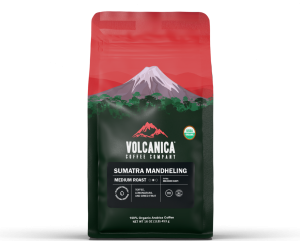
The organic single-origin sourcing carries a specialty price tag, and the cup earns part of it: substantial body, dark chocolate with a dried-fruit undercurrent, and a moderate bitterness that clears without punishment.
The blend flattens three origins into a single, predictable profile, but the body is real and the low acidity makes it forgiving on home espresso equipment.
Dense dark chocolate from first contact, no brightness to cut it, and enough body weight to hold its shape through steamed milk.
Maximum roast intensity has erased whatever the Latin America and Indonesia origins contributed, leaving a cup whose sole real asset is an uncommonly heavy body.
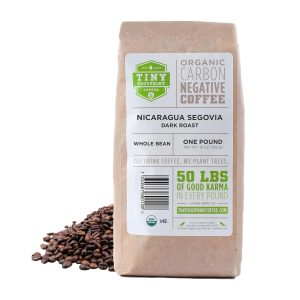
Dark chocolate bitterness with a caramel-sweetness backbone that keeps the cup from going flat, but the roast has consumed most of what Nicaragua originally offered.