cafe-du-monde
Cafe Du Monde Coffee and Chicory
This is the budget tier's answer to New Orleans-style coffee at home, and the chicory is not a gimmick but the structural spine of the cup.
Washed (fully washed) coffee strips the fruit from the bean before drying. After picking, the cherry's skin and most of the fruit flesh are mechanically removed. The bean then ferments in water — typically 24–72 hours — to break down the remaining mucilage. Then it dries.
The result: a cup that tastes primarily of the bean, not the fruit. Acidity is clean and defined. Aromatics are precise. Body runs light-to-medium. There's no sweetness added by fruit fermentation — what sweetness exists comes from the bean's own sugars.
This is why washed coffees are the preference in specialty coffee. The process removes variables — fermentation, drying conditions, fruit influence — and lets the origin character of the bean read clearly. Ethiopian washed coffees from Yirgacheffe taste like bergamot and jasmine because the washed process reveals the bean without interference.
Clean, defined acidity. A dry finish. Floral or fruit notes that read as brightness, not sweetness. The cup is clear — it finishes without residue on the palate. If it tastes like the fruit of the coffee plant, that's a natural or honey process. If it tastes like the coffee bean itself, it's likely washed.
Ethiopia (Yirgacheffe, Limu), Colombia, Kenya, Central America (Guatemala, Honduras, Nicaragua). Colombia is almost entirely washed — it's the process that produces the clean caramel and mild acidity the origin is known for. Kenya is a unique variation: double-washed, which produces some of the most intensely clean, bright coffees in the world.
This is the budget tier's answer to New Orleans-style coffee at home, and the chicory is not a gimmick but the structural spine of the cup.
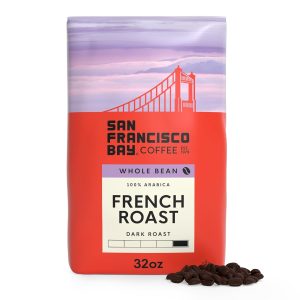
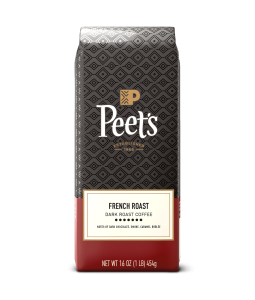
Dark chocolate and smoke from first contact through a heavy, flat finish: this cup executes the French Roast contract precisely and stops there.
Smoke and char from first contact, a heavy body that holds through the cup, and a finish that sits dry rather than fading.
The price lands in the grocery-aisle tier, and the cup delivers exactly what that tier promises: low bitterness, even extraction, and no particular reason to seek it out above the competition.
Cocoa powder on entry, a fast dry finish, and a price that reflects the Starbucks name more than what's in the cup.
Starbucks pushed this roast to maximum intensity and traded every trace of Latin American or Asia-Pacific origin character for a cup defined by char and smoke.
Maximum roast intensity has stripped origin character from all three source countries, leaving a cup heavy in body and bitterness that earns its keep under milk but has little to offer black.
For the drinker who treats coffee as fuel and not feature, this delivers a low-bitterness, light-bodied cup that sets no demands on the morning.
Sweetness comes up first and the bitterness never follows; the light roast did its job, and the cup is defined by what it chose not to become.
The cup opens on mild chocolate, holds a low-acid calm through the mid-palate, and closes without bitterness or complication.
Pulls evenly through any home drip machine and the low bitterness keeps the cup approachable well past the first hour, but the deliberately neutral profile gives you nothing to hold onto.
Brown sugar sweetness and low bitterness deliver the mild character this blend promises, but thin body and a borrowed name are doing most of the heavy lifting.
French press extracts the most from it, where the heavy body does the lifting; drip works, but runs the bitterness harder than the cup can balance on its own.
Smoke and earthy cocoa arrive early, the roast stays in control, and this bag never asks you to pay attention.
The "Blue Mountain" name borrows prestige from one of coffee's most expensive origins; what's in the bag is a mild, washed Latin America grocery blend that lives in a very different category.
The medium roast and washed Latin America sourcing are decisions made for stability: every bag delivers the same mild, low-acid drip experience, and the price charges you for the brand name more than the cup.