philz-coffee
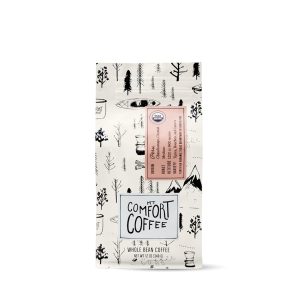
Philz Coffee Tesora
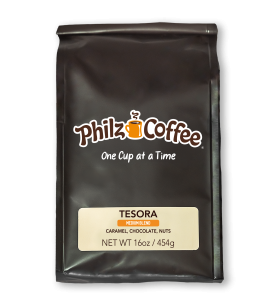
Philz asks a specialty price for a cup that delivers low-bitterness sweetness and real body, but a Latin America blend label offers no foothold for origin curiosity.
Washed (fully washed) coffee strips the fruit from the bean before drying. After picking, the cherry's skin and most of the fruit flesh are mechanically removed. The bean then ferments in water — typically 24–72 hours — to break down the remaining mucilage. Then it dries.
The result: a cup that tastes primarily of the bean, not the fruit. Acidity is clean and defined. Aromatics are precise. Body runs light-to-medium. There's no sweetness added by fruit fermentation — what sweetness exists comes from the bean's own sugars.
This is why washed coffees are the preference in specialty coffee. The process removes variables — fermentation, drying conditions, fruit influence — and lets the origin character of the bean read clearly. Ethiopian washed coffees from Yirgacheffe taste like bergamot and jasmine because the washed process reveals the bean without interference.
Clean, defined acidity. A dry finish. Floral or fruit notes that read as brightness, not sweetness. The cup is clear — it finishes without residue on the palate. If it tastes like the fruit of the coffee plant, that's a natural or honey process. If it tastes like the coffee bean itself, it's likely washed.
Ethiopia (Yirgacheffe, Limu), Colombia, Kenya, Central America (Guatemala, Honduras, Nicaragua). Colombia is almost entirely washed — it's the process that produces the clean caramel and mild acidity the origin is known for. Kenya is a unique variation: double-washed, which produces some of the most intensely clean, bright coffees in the world.
Philz asks a specialty price for a cup that delivers low-bitterness sweetness and real body, but a Latin America blend label offers no foothold for origin curiosity.
The medium roast and washed process are calibrated for approachability, trading any particular flavor identity for a cup that stays out of your way each morning.
Heavy body is the whole pitch: smoke and dark chocolate bitterness with zero brightness, a cup built to hold up under milk and survive a full carafe.
The caramel is mild and brief; the thin body ensures the cup exits before it builds anything worth returning for.
Built for the drip drinker who wants the same heavy-bodied, roast-forward cup every morning without any brightness to manage.
The organic sourcing adds cost, and what the cup returns for it is a low-bitterness washed medium with enough citrus brightness to stay honest and a forgiving profile that holds across drip, pour over, and french press.
Night Owl commits to maximum roast intensity and trades whatever the Latin American origin had to say for dark chocolate and smoke, landing a heavy-bodied cup that holds in drip but asks nothing of the terroir underneath.
Maximum roast intensity has taken the Latin America blend's origin character entirely off the table, but the body left behind is substantial enough to make this work in a french press.
Pipe tobacco and unsweetened molasses settle at the back of the cup; maximum body, maximum bitterness, and a roast that has consumed everything else.
Brown sugar is what you get first and last, with almost no bitterness to interrupt it.
The roast is the entire story here: maximum intensity, heavy body, and a cocoa-powder bitterness that sits forward from the first sip, with origin character almost entirely behind it.
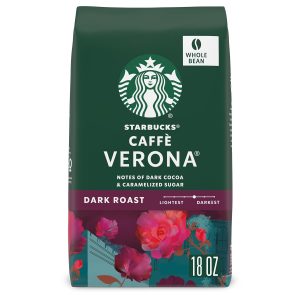
The Starbucks name costs more than the cup earns back, but heavy body and controlled bitterness give this dark blend a real case for milk drinks and espresso.
Pulls the same cup across drip, french press, and pour over; the dry pepper spice is where the cup earns its keep, and the rest is reliable dark roast.
Heavy body for its roast class, but the brand premium outpaces what this Latin America blend puts in the cup.
The three-origin sourcing promises complexity the medium-dark roast does not deliver, but the substantial body carries across drip, french press, and espresso without falling apart.
This is the budget tier's answer to New Orleans-style coffee at home, and the chicory is not a gimmick but the structural spine of the cup.
Dark chocolate and smoke from first contact through a heavy, flat finish: this cup executes the French Roast contract precisely and stops there.
Smoke and char from first contact, a heavy body that holds through the cup, and a finish that sits dry rather than fading.