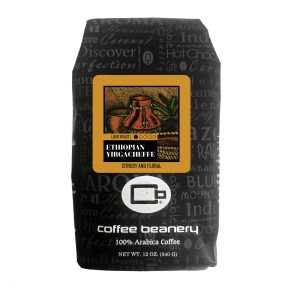
What Ethiopian Coffee Actually Tastes Like
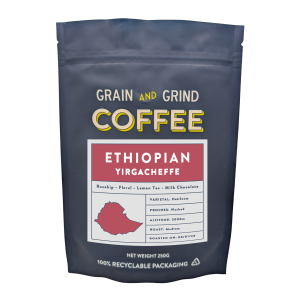
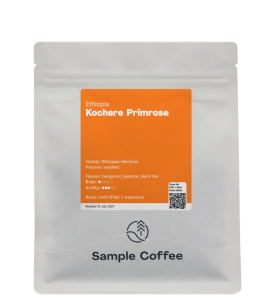
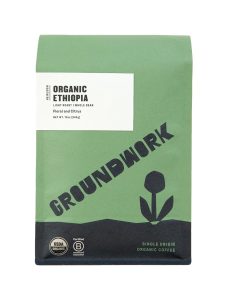
Ethiopian coffee is the reference point for everything bright. The first sip does not taste like what most people mean by coffee. It tastes like flowers and fruit and tea, carried on an acidity that is high but never harsh, clean and cutting like the snap of biting into citrus. The body is light. The cup is clear rather than heavy, and it finishes dry, leaving the aromatics hanging in the air instead of a bitter coat on the tongue.
The range runs from delicate and floral to loud and fruit-forward. Washed Ethiopians lean into bergamot, jasmine, and stone fruit, every note in sharp focus. Natural-process Ethiopians turn the volume up into blueberry and ripe berry, sweeter and wilder. Either way, this is not the origin for anyone chasing dark chocolate and weight. Ethiopian coffee is built for the cup that surprises you with a flavor you did not expect to find in coffee at all.
Why It Tastes This Way
Three things stack up to make Ethiopian coffee what it is.
Altitude. Ethiopia grows coffee between 1,500 and 2,200 meters. High and cold, the cherries ripen slowly over months. That slow development concentrates sugars and fruit esters in the seed that warmer, lower farms never build.
Genetics. Ethiopian coffee grows from heirloom varieties, thousands of them, many still half-wild and never industrially selected for yield. They carry a genetic complexity no other producing country has matched, and that complexity is what surfaces as the layered floral and fruit character in the cup.
Processing. The washed method dominates in Yirgacheffe and Limu, the regions tracked here. Washing strips the fruit flesh before drying, so what reaches the cup is the bean's own intrinsic character, clean and undisguised: floral, fruit-driven, high acidity, almost no earthiness.
Brew Methods That Suit Ethiopian Coffee
Pour over is the match. The slow, even draw of a pour over and the clean paper filter pull out the aromatics without muddying the acidity. Use water at 195 to 200 degrees Fahrenheit, lower than you would run a dark roast, and grind finer than you think you need. This is the brew that makes the jasmine and bergamot bloom.
AeroPress works. A 1 to 15 ratio with a two to three minute steep gives clarity without flattening the fruit. A forgiving route to the same notes a pour over delivers.
French press mutes it. Full immersion and the metal filter blunt the high aromatics. It is not wrong, but you lose the exact thing you paid a premium for.
Espresso is advanced. A light-roast Ethiopian shot demands a dialed setup and short, hot pulls. Rewarding, but not a beginner's shot.
Who Ethiopian Coffee Is For
Anyone who reaches for sugar or milk to cover bitterness should try a washed Ethiopian pour over black first. The acidity stands on its own, and the fruit does the work sweetness usually has to. For someone who has decided they do not like black coffee, this is the cup most likely to change their mind.
It is the wrong cup for anyone who wants full body and low acid to drink on autopilot at 6 a.m. Colombia or Sumatra serve that better. Ethiopian coffee asks for a little attention and pays it back with flavor nothing else delivers.
Frequently Asked Questions
- Is Ethiopian coffee high in caffeine?
- Caffeine sits roughly in line with other Arabica origins. The light roast does not lower it. Roast level changes flavor far more than caffeine, so a light-roasted Ethiopian is not a weaker coffee.
- What is the difference between Ethiopian and Yirgacheffe?
- Yirgacheffe is a region inside Ethiopia, known for the most intensely floral washed coffees in the country. Limu is another washed region with slightly fuller body. Both produce the bright, clean profile the origin is known for.
- Why does Ethiopian coffee taste like fruit?
- High altitude, washed processing, and heirloom genetics. The slow-ripening cherry concentrates fruit esters, and washing keeps them clean instead of fermenting in extra sweetness. The result is fruit clarity rather than fruit sugar.