perky-blenders-coffee-roasters
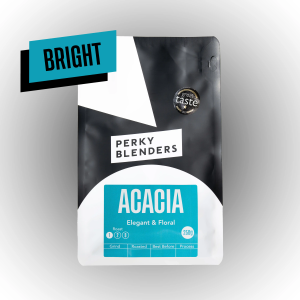
Perky Blenders Coffee Roasters Acacia Blend
Citrus brightness and honey sweetness at maximum on both registers, delivered through a frame thin enough that the extraction window matters.
Washed (fully washed) coffee strips the fruit from the bean before drying. After picking, the cherry's skin and most of the fruit flesh are mechanically removed. The bean then ferments in water — typically 24–72 hours — to break down the remaining mucilage. Then it dries.
The result: a cup that tastes primarily of the bean, not the fruit. Acidity is clean and defined. Aromatics are precise. Body runs light-to-medium. There's no sweetness added by fruit fermentation — what sweetness exists comes from the bean's own sugars.
This is why washed coffees are the preference in specialty coffee. The process removes variables — fermentation, drying conditions, fruit influence — and lets the origin character of the bean read clearly. Ethiopian washed coffees from Yirgacheffe taste like bergamot and jasmine because the washed process reveals the bean without interference.
Clean, defined acidity. A dry finish. Floral or fruit notes that read as brightness, not sweetness. The cup is clear — it finishes without residue on the palate. If it tastes like the fruit of the coffee plant, that's a natural or honey process. If it tastes like the coffee bean itself, it's likely washed.
Ethiopia (Yirgacheffe, Limu), Colombia, Kenya, Central America (Guatemala, Honduras, Nicaragua). Colombia is almost entirely washed — it's the process that produces the clean caramel and mild acidity the origin is known for. Kenya is a unique variation: double-washed, which produces some of the most intensely clean, bright coffees in the world.
Citrus brightness and honey sweetness at maximum on both registers, delivered through a frame thin enough that the extraction window matters.
The washed process stripped this Bench Maji down to its sharpest frequency: maximum acidity, negligible body, and a sweetness that keeps the cup from collapsing into austerity.
Orange brightness in the first third, raisin and orchard fruit through the center, hazelnut dryness at the close: medium-dark applied to a washed Panama with a specific espresso outcome in mind.
At $1.70/oz, you're paying for specificity: strawberry and cream soda in a washed light roast that registers almost no bitterness.
Pulls bright and sweet as a short espresso, with citrus-peach clarity that holds where a darker roast would have buried it.
Built for the pour-over specialist who tracks water temperature and wants Yirgacheffe at its most defined: maximum citrus-floral acidity, high sweetness, and a finish that clears the palate fast.
The medium roast trades away Yirgacheffe's most extreme florals for a cup that delivers real brightness across a wider range of filter setups and grind tolerances.
At a specialty-roaster premium, this delivers exactly what washed Gedeb is built for: black tea depth, peach-bright acidity at maximum intensity, and a floral profile that earns its price when the brewing conditions are right.
Expensive for what the cup delivers, but the citrus-forward brightness and low-bitterness profile are genuine Kona character and worth tasting once.
Pear brightness at the front, brown sugar through the finish, and a medium body that stops the 5/5 acidity and sweetness from reading as paper-thin.
Caramel sweetness on entry, raisin and amaretto pulling forward as the shot cools, and a shortbread-dry bitter close that resolves without dragging.
The lemon brightness hits early and holds; the prune deepens as the cup cools, giving this washed Nariño more range than its roast level suggests.
Maximum sweetness delivered as stone fruit and caramel, from a Bourbón varietal with enough inherent sweetness to carry through medium-dark heat.
Red fruit leads, milk chocolate catches at the finish, and the cup stays sweet regardless of brew method.
Thin in the cup with no weight to lean on, but the citrus brightness and stone fruit sweetness of this washed Uraga Ethiopia are real.
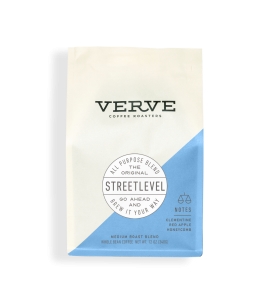
The Sermon costs what Verve charges for its beans; what you get for that price is a medium-dark espresso blend that preserves cherry acidity at a roast level where most blends have already lost that brightness entirely.
Bittersweet chocolate anchors every cup, and the East Africa component brings enough citrus to keep it from running flat.
For the filter drinker measuring this against intensity-forward coffees: El Eden lands at the other end of that scale, maximum acidity and sweetness with minimal body, built on cherry and orange fruit with nothing roasty behind it.