Stay High Coffee Roasters Colombia Sierra Nevada
The light roast and washed process commit to terroir: maximum acidity, maximum sweetness, and a bitterness that runs higher than the minimal roast development here can explain.
Washed (fully washed) coffee strips the fruit from the bean before drying. After picking, the cherry's skin and most of the fruit flesh are mechanically removed. The bean then ferments in water — typically 24–72 hours — to break down the remaining mucilage. Then it dries.
The result: a cup that tastes primarily of the bean, not the fruit. Acidity is clean and defined. Aromatics are precise. Body runs light-to-medium. There's no sweetness added by fruit fermentation — what sweetness exists comes from the bean's own sugars.
This is why washed coffees are the preference in specialty coffee. The process removes variables — fermentation, drying conditions, fruit influence — and lets the origin character of the bean read clearly. Ethiopian washed coffees from Yirgacheffe taste like bergamot and jasmine because the washed process reveals the bean without interference.
Clean, defined acidity. A dry finish. Floral or fruit notes that read as brightness, not sweetness. The cup is clear — it finishes without residue on the palate. If it tastes like the fruit of the coffee plant, that's a natural or honey process. If it tastes like the coffee bean itself, it's likely washed.
Ethiopia (Yirgacheffe, Limu), Colombia, Kenya, Central America (Guatemala, Honduras, Nicaragua). Colombia is almost entirely washed — it's the process that produces the clean caramel and mild acidity the origin is known for. Kenya is a unique variation: double-washed, which produces some of the most intensely clean, bright coffees in the world.
The light roast and washed process commit to terroir: maximum acidity, maximum sweetness, and a bitterness that runs higher than the minimal roast development here can explain.
The Monarch's medium-dark roast is a deliberate trade: origin character gives way to extraction reliability, and for an espresso blend built around milk-based drinks, that exchange holds up.
The price isn't posted yet, but the cup makes a case on its own: bergamot and stone fruit brightness at 4/5 acidity, with bitterness so low it stops being a consideration.
Red fruit leads, milk chocolate catches at the finish, and the cup stays sweet regardless of brew method.
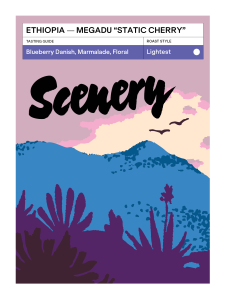
Thin in the cup with no weight to lean on, but the citrus brightness and stone fruit sweetness of this washed Uraga Ethiopia are real.
The Sermon costs what Verve charges for its beans; what you get for that price is a medium-dark espresso blend that preserves cherry acidity at a roast level where most blends have already lost that brightness entirely.
Bittersweet chocolate anchors every cup, and the East Africa component brings enough citrus to keep it from running flat.
For the filter drinker measuring this against intensity-forward coffees: El Eden lands at the other end of that scale, maximum acidity and sweetness with minimal body, built on cherry and orange fruit with nothing roasty behind it.
Built for the espresso or moka pot drinker who wants a bone-dense, toffee-forward shot from a traceable Huila lot, the Interval Espresso delivers maximum body and sweetness alongside equally maximum bitterness.
Priced as a small-batch specialty entry, this washed Huehuetenango delivers the altitude-driven sweetness and stone fruit clarity the region promises, with the Catimor varietal as the honest ceiling on how far that goes.
Built for the french press and cold brew drinker who wants thick sweetness and full body, this peaberry runs the medium-dark roast as its primary engine and delivers a maple-warm, low-acid cup that holds up across all three methods.
Pour over and drip drinkers who want body, citrus definition, and almost no bitterness from a forgiving blend: the Alchemy is built precisely for that cup.
The roast decision here was to push sweetness as far as it goes while the washed process holds acidity in place, and the blend delivers a caramel-forward cup that earns the name.
Dark chocolate up front, a cherry note that outlasts the roast, and enough body to anchor milk drinks without bitterness dragging the cup down.
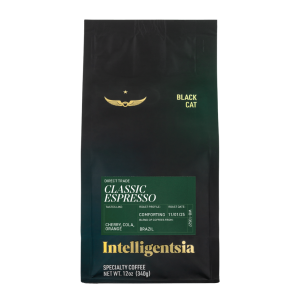
At $1.46 an ounce, Intelligentsia's name carries part of the price; the low acidity and genuine body carry the rest.
Cocoa powder on the swallow and honey in the weight: this washed Brazilian medium is built around sweetness, and it delivers on that completely.
The washed process and medium roast here make one deliberate trade: origin transparency for sweetness delivery, and Ruby executes that trade well.
At $1.21 an ounce, this Jalapa washed Guatemala delivers genuine sweetness and bright acidity, though the thin body and a chocolate-nutmeg arc that lands exactly where the region always lands keep it in well-made territory.