adams-russell
Adams & Russell Papua New Guinea Mountain Top
The medium roast pulls the Chimbu sweetness to the front and trades away the brightness that a lighter hand would have kept.
Washed (fully washed) coffee strips the fruit from the bean before drying. After picking, the cherry's skin and most of the fruit flesh are mechanically removed. The bean then ferments in water — typically 24–72 hours — to break down the remaining mucilage. Then it dries.
The result: a cup that tastes primarily of the bean, not the fruit. Acidity is clean and defined. Aromatics are precise. Body runs light-to-medium. There's no sweetness added by fruit fermentation — what sweetness exists comes from the bean's own sugars.
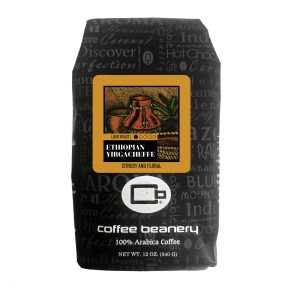
This is why washed coffees are the preference in specialty coffee. The process removes variables — fermentation, drying conditions, fruit influence — and lets the origin character of the bean read clearly. Ethiopian washed coffees from Yirgacheffe taste like bergamot and jasmine because the washed process reveals the bean without interference.
Clean, defined acidity. A dry finish. Floral or fruit notes that read as brightness, not sweetness. The cup is clear — it finishes without residue on the palate. If it tastes like the fruit of the coffee plant, that's a natural or honey process. If it tastes like the coffee bean itself, it's likely washed.
Ethiopia (Yirgacheffe, Limu), Colombia, Kenya, Central America (Guatemala, Honduras, Nicaragua). Colombia is almost entirely washed — it's the process that produces the clean caramel and mild acidity the origin is known for. Kenya is a unique variation: double-washed, which produces some of the most intensely clean, bright coffees in the world.
The medium roast pulls the Chimbu sweetness to the front and trades away the brightness that a lighter hand would have kept.
Pay single-origin prices and you get a Honduras microlot that leads with peach and honey and keeps the bitterness near zero through the finish.
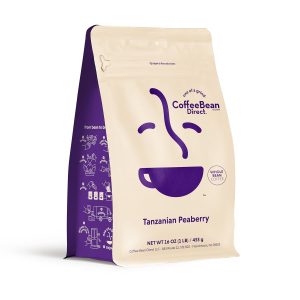
Commodity light roasting holds it back, but the peaberry body is genuine: denser and more textural than most light roasts manage at this price tier.
The blend format keeps either origin from reaching full expression, but the near-absent bitterness and cherry-brown sugar clarity make a drip or pour over cup that earns its place.
Jasmine and blueberry at maximum acidity with real sweetness underneath, but the 1/5 body means a loose extraction leaves nothing to fall back on.
Caramel sweetness from the first sip, a suggestion of fruit through the middle, and a finish that drops without dragging anything bitter with it.
The roast has compressed most of the origin character, but the 4/5 body and controlled bitterness make this a capable espresso blend for lattes and milk drinks.
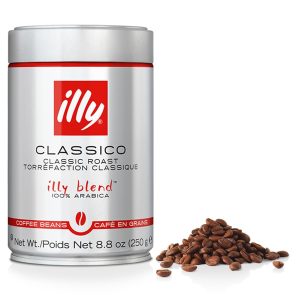
Espresso and pour-over drinkers who want a premium blend with a specific floral-caramel signature will find the Classico occupies a slot most grocery-tier mediums leave empty.
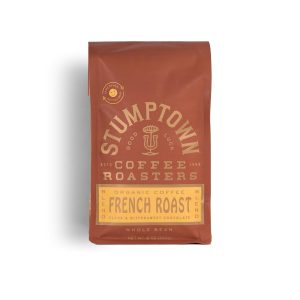
Clove and bittersweet chocolate push through the smoke, and what stays on the palate is more specific than most French Roasts manage.
Blue Bottle's price for a blend that delivers real body and a dried fruit lift over chocolate, but the cup earns only part of what the label charges.
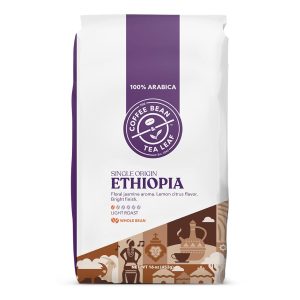
Lemon up front, a brief berry sweetness through the middle, and a dry floral finish that fades quickly.
The drinker who runs auto-drip or pour over most mornings and wants a light roast that doesn't turn harsh at variable extraction: the House Blend is built for that routine.
Built for the auto-drip regular or home espresso drinker who wants a full-bodied, low-acid cup with dark chocolate and spice presence, the Spice Island Blend delivers on that brief without complication.
Pulls a forgiving espresso with enough sweetness to stand black, and handles pour over without issue; espresso is where this blend earns its keep.
Monsoon Malabar exposure trades acidity and brightness for something stranger: a dense, earth-forward cup where tobacco and spice are the point, not a side effect.
Holds its shape across drip, pour over, and espresso in a way most Latin America blends at this price tier don't: the body is real, the bitterness stays out of the way, and the sweetness has something to say.
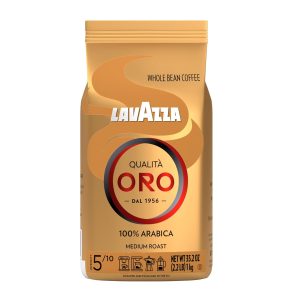
Lavazza chose washed processing across this multi-origin blend to lock in clarity, and the payoff is a consistently sweet, low-bitterness cup that holds up across every brew method on its label.
The red fruit lifts mid-cup as it cools, pulling what starts as a caramel base into a second register that gives the pour over something to reveal.