peets-coffee
Peet’s Coffee Major Dickason’s Blend
Maximum roast intensity has erased whatever the Latin America and Indonesia origins contributed, leaving a cup whose sole real asset is an uncommonly heavy body.
Dark roast reaches 455–475°F, well into second crack. Sugars carbonize — the sweetness tips from caramel toward charred and bitter. Acids break down almost entirely. Body is maximum. Bitterness is prominent. Origin character disappears; what you taste is primarily the roast itself.
This is not a criticism of dark roast. It's a description of what dark roast does and why drinkers who want it want it: they want weight, intensity, and an unchanging profile regardless of origin. The roast is the flavor.
Acidity: near zero. The acid compounds that cause reflux and brightness are destroyed at dark roast temperatures.
Body: full to very full. Maximum oil extraction, maximum textural weight.
Sweetness: low. Carbonized sugars read as bitterness, not sweetness. Dark roast that reads as sweet is actually medium-dark.
Bitterness: high. This is part of the value proposition for dark roast drinkers. The bitterness is the character.
Drinkers who want intensity above all else. Anyone who drinks coffee with milk and wants the roast to punch through. French press drinkers who want weight and body. Anyone who experiences acid reflux from medium roast — dark roast is the medical recommendation for acid-sensitive drinkers.
Not an early morning coffee if you want to actually taste it. An aggressive dark roast at 6am before the palate is awake is bitterness without nuance. Save it for midday.
Pour over drinkers — paper filtration strips the oils and you're left with bitterness without body. Anyone who wants to taste origin character. Anyone who finds coffee too bitter already — go lighter, not darker.
Maximum roast intensity has erased whatever the Latin America and Indonesia origins contributed, leaving a cup whose sole real asset is an uncommonly heavy body.
Cedar and cocoa pressed into a shot of maximum density: this cup leads with weight and asks you to meet it with milk.
The body is there and the finish clears before it turns harsh, but the price reflects the Illy label more than it reflects what's in the cup.
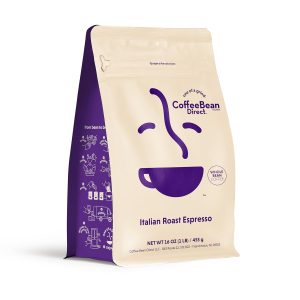
Dense dark chocolate from first contact, no brightness to cut it, and enough body weight to hold its shape through steamed milk.
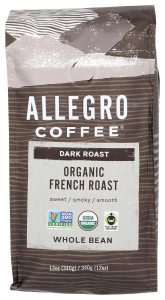
Built for the French press or drip drinker who wants maximum dark roast presence without the acrid finish, Teddy's Blend leans on natural-process Rwanda sweetness to keep the bitterness from running the whole cup.
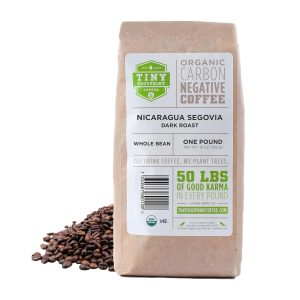
Dark chocolate bitterness with a caramel-sweetness backbone that keeps the cup from going flat, but the roast has consumed most of what Nicaragua originally offered.
The roast decision here runs Sumatra's Giling Basah earthiness to maximum intensity, delivering serious body and dark-chocolate weight while compressing the cedar origin character into a secondary note.
The organic single-origin sourcing carries a specialty price tag, and the cup earns part of it: substantial body, dark chocolate with a dried-fruit undercurrent, and a moderate bitterness that clears without punishment.
French press and drip suit this coffee's strengths, but the roast runs so hot it takes the Indonesia-South America origin character with it, leaving the 5/5 body as the main thing to recommend.
This blend was pushed into the dark until origin stopped being the story: what's left is heavy body, caramel sweetness, and a roast structure built to hold up under milk.
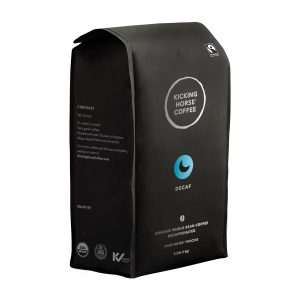
Dark chocolate opens and honey sweetness carries through the mid-palate before the cup closes on a bitter, dry finish that holds: a decaf that chose intensity over origin expression.
$1.83 per ounce for a dark espresso blend that earns its place in a milk-drink station but struggles to justify the brand premium for anyone taking shots black.
Smoke comes first, cocoa-powder bitterness follows, and the cup never softens. this is a French roast that commits fully to what French roast is.
The decision to roast this at maximum intensity sacrifices a four-origin blend's potential for a single, predictable register: heavy body and cocoa-powder bitterness that holds under milk but flattens black.
Heavy body is the whole pitch: smoke and dark chocolate bitterness with zero brightness, a cup built to hold up under milk and survive a full carafe.
Roast-forward from first sip to a dry, persisting close, this Swiss Water decaf delivers consistent dark roast character at volume without asking anything precise from the brewer.
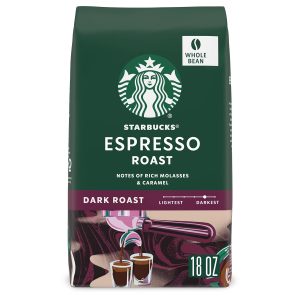
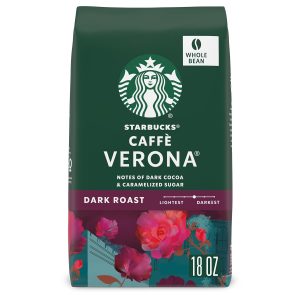
The Starbucks name costs more than the cup earns back, but heavy body and controlled bitterness give this dark blend a real case for milk drinks and espresso.
Pipe tobacco and unsweetened molasses settle at the back of the cup; maximum body, maximum bitterness, and a roast that has consumed everything else.