the-coffee-bean-tea-leaf
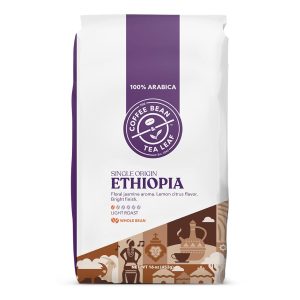
The Coffee Bean & Tea Leaf Ethiopia Yirgacheffe
Lemon up front, a brief berry sweetness through the middle, and a dry floral finish that fades quickly.
Drip / auto brewing runs hot water through a paper filter and a bed of medium-ground coffee. The result: a clean, full-volume cup without the technique demands of pour over. At its best, a quality automatic brewer (Technivorm, Breville Precision Brewer) produces results close to manual pour over. At its worst — a cheap machine that brews at 175°F instead of 200°F — it produces under-extracted, weak coffee no matter how good the beans are.
Water temperature is the variable most auto brewers get wrong. 195–205°F is the extraction range. Machines under $50 often brew at 175°F. You can't fix under-temperature with better beans.
Medium roast is the sweet spot. The paper filter handles acidity well, so medium roast brightness comes through without becoming sharp. Dark roast loses texture through paper filtration but retains enough bitterness to taste intentional.
Consistent grind quality matters more than origin. A burr grinder producing even medium-ground coffee extracts correctly at any temperature. A blade grinder produces uneven grounds — some particles over-extract, others under-extract. The result is a cup that tastes both bitter and weak simultaneously.
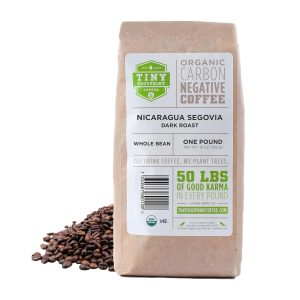
Colombian, Nicaraguan, and Latin American blends are the most forgiving for drip. High-acid light roasts punish a machine brewing slightly below temperature.
Weak or flat drip coffee: machine temperature too low, grind too coarse, or ratio too low. Use 1:15 ratio (1g per 15g water) and check your machine's brew temperature with a thermometer if available. Most cheap auto brewers fall short.
Bitter drip coffee: grind too fine, brew time too long, or roast too dark for the machine's temperature. Go coarser first.
Lemon up front, a brief berry sweetness through the middle, and a dry floral finish that fades quickly.
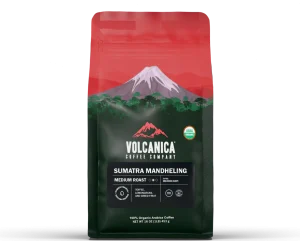
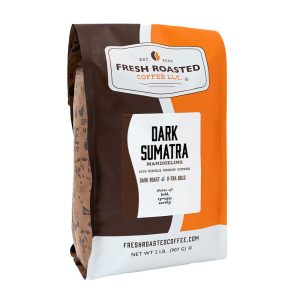
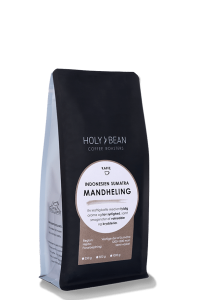
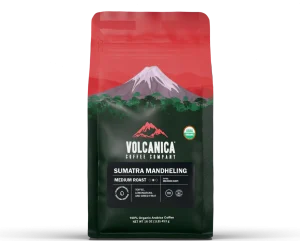
The roast has consumed most of what makes Sumatra Mandheling worth seeking by name, but the 5/5 body and surviving brown sugar sweetness make this a dependable heavy dark for french press and cold brew.
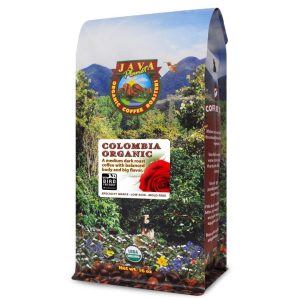
Two hundred hours of anaerobic fermentation built real character into this Colombian; the dark roast decided what survived.
Built for the auto-drip regular or home espresso drinker who wants a full-bodied, low-acid cup with dark chocolate and spice presence, the Spice Island Blend delivers on that brief without complication.
Holds its shape across drip, pour over, and espresso in a way most Latin America blends at this price tier don't: the body is real, the bitterness stays out of the way, and the sweetness has something to say.
Dark chocolate and loamy earth from the first sip, syrupy through the finish, with the roast at maximum and the origin compressed to its most durable character.
The price buys real body and lasting sweetness despite maximum roast intensity, though nothing in the cup traces back to any of the three origins.
The red fruit lifts mid-cup as it cools, pulling what starts as a caramel base into a second register that gives the pour over something to reveal.
The cup delivers what the spec sheet promises: maximum body, maximum sweetness, and dried fruit character from Sul De Minas heritage arabica that performs without demanding anything unusual from the brewer.
Blue Bottle's price for a blend that delivers real body and a dried fruit lift over chocolate, but the cup earns only part of what the label charges.
The defining thing in this cup is the body: 4/5 weight carrying brown sugar and praline sweetness through any filter brew without asking much of you.
Built for the breakfast filter drinker who wants sweetness up front and no bite, this washed Colombian delivers caramel depth and a short orange lift without getting in the way.
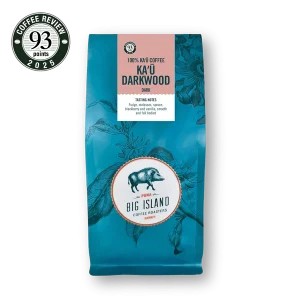
Dark chocolate and pink peppercorn spice up front, sweetness that holds where most maximum-roast darks go flat, but the Kona origin's terroir character has been roasted past the point of register.
The drinker who runs auto-drip or pour over most mornings and wants a light roast that doesn't turn harsh at variable extraction: the House Blend is built for that routine.
The roast has consumed most of what makes single-origin Colombian worth seeking at a premium, but the body it leaves behind is heavy, low-bitterness, and more approachable than most coffees at this roast intensity manage.
Dark chocolate on entry, full body through the cup, and a finish that drops off before bitterness builds: this blend delivers roast depth without the harshness that typically comes at this roast intensity.
The value case for a medium-dark Sumatran Aceh rests on the body, and this one delivers: 5/5 weight in the cup, roasted to amplify caramelized sweetness without tipping bitterness past the moderate range.
The organic single-origin sourcing carries a specialty price tag, and the cup earns part of it: substantial body, dark chocolate with a dried-fruit undercurrent, and a moderate bitterness that clears without punishment.