my-liberica
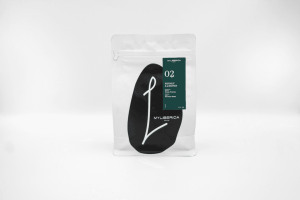
My Liberica Signature Blend
Wild ginger and black tea from a Malaysian Liberica, roasted medium-dark to build maximum body while preserving the varietal's spice character.
Drip / auto brewing runs hot water through a paper filter and a bed of medium-ground coffee. The result: a clean, full-volume cup without the technique demands of pour over. At its best, a quality automatic brewer (Technivorm, Breville Precision Brewer) produces results close to manual pour over. At its worst — a cheap machine that brews at 175°F instead of 200°F — it produces under-extracted, weak coffee no matter how good the beans are.
Water temperature is the variable most auto brewers get wrong. 195–205°F is the extraction range. Machines under $50 often brew at 175°F. You can't fix under-temperature with better beans.
Medium roast is the sweet spot. The paper filter handles acidity well, so medium roast brightness comes through without becoming sharp. Dark roast loses texture through paper filtration but retains enough bitterness to taste intentional.
Consistent grind quality matters more than origin. A burr grinder producing even medium-ground coffee extracts correctly at any temperature. A blade grinder produces uneven grounds — some particles over-extract, others under-extract. The result is a cup that tastes both bitter and weak simultaneously.
Colombian, Nicaraguan, and Latin American blends are the most forgiving for drip. High-acid light roasts punish a machine brewing slightly below temperature.
Weak or flat drip coffee: machine temperature too low, grind too coarse, or ratio too low. Use 1:15 ratio (1g per 15g water) and check your machine's brew temperature with a thermometer if available. Most cheap auto brewers fall short.
Bitter drip coffee: grind too fine, brew time too long, or roast too dark for the machine's temperature. Go coarser first.
Wild ginger and black tea from a Malaysian Liberica, roasted medium-dark to build maximum body while preserving the varietal's spice character.
The citrus lifts first, then dark fruit fills in where the roast held back.
The cherry and caramelized sweetness land early, and the body carries them straight to the finish.
The blend format keeps either origin from reaching full expression, but the near-absent bitterness and cherry-brown sugar clarity make a drip or pour over cup that earns its place.
The medium roast pulls the Chimbu sweetness to the front and trades away the brightness that a lighter hand would have kept.
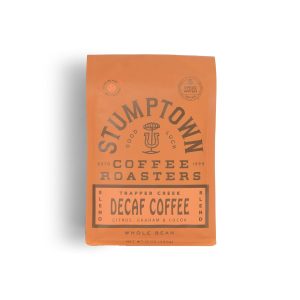
Handles espresso, drip, and french press without the bitterness that typically betrays a dark decaf at high roast intensity.
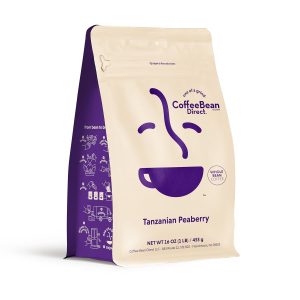
Commodity light roasting holds it back, but the peaberry body is genuine: denser and more textural than most light roasts manage at this price tier.
Pay single-origin prices and you get a Honduras microlot that leads with peach and honey and keeps the bitterness near zero through the finish.
Jasmine and blueberry at maximum acidity with real sweetness underneath, but the 1/5 body means a loose extraction leaves nothing to fall back on.
Dark chocolate opens the cup, then blackberry and honey arrive and follow through to the finish, which is not what maximum roast intensity typically allows.
Brews dense and sweet across every method it was designed for, with a full-bodied chocolate-caramel base that survives dilution and long steeps without giving up texture.
Caramel sweetness from the first sip, a suggestion of fruit through the middle, and a finish that drops without dragging anything bitter with it.
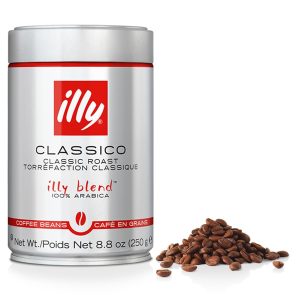
Espresso and pour-over drinkers who want a premium blend with a specific floral-caramel signature will find the Classico occupies a slot most grocery-tier mediums leave empty.
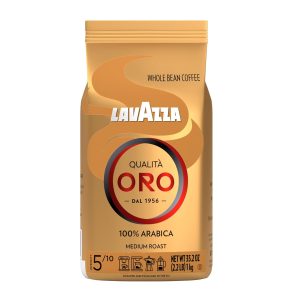
Lavazza chose washed processing across this multi-origin blend to lock in clarity, and the payoff is a consistently sweet, low-bitterness cup that holds up across every brew method on its label.
Monsoon Malabar exposure trades acidity and brightness for something stranger: a dense, earth-forward cup where tobacco and spice are the point, not a side effect.
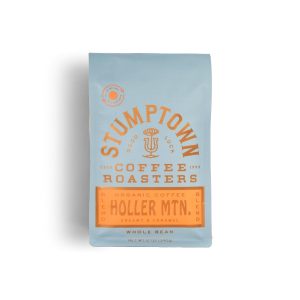
The blend does not earn the Stumptown price premium, but the high sweetness and low bitterness deliver a forgiving cup across every method on the label.
The roast has consumed most of what Ka'ū's terroir offers, but the Maragogipe varietal keeps enough sweetness alive to separate this from an ordinary dark.
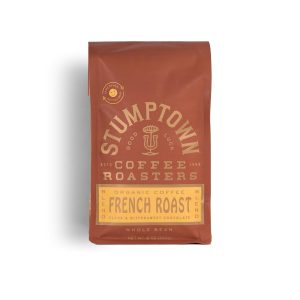
Clove and bittersweet chocolate push through the smoke, and what stays on the palate is more specific than most French Roasts manage.