volcanica-coffee
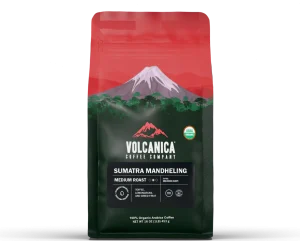
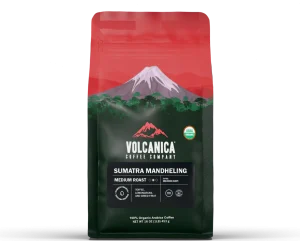
Volcanica Coffee Guatemala Huehuetenango Coffee
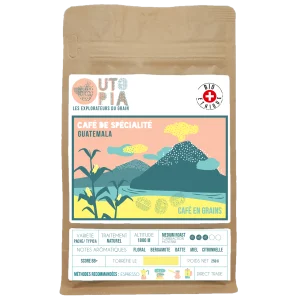
Volcanica charges specialty rates, and the 4/5 acidity held through a medium roast from Guatemala's high-altitude Huehuetenango region is what backs that up.
Drip / auto brewing runs hot water through a paper filter and a bed of medium-ground coffee. The result: a clean, full-volume cup without the technique demands of pour over. At its best, a quality automatic brewer (Technivorm, Breville Precision Brewer) produces results close to manual pour over. At its worst — a cheap machine that brews at 175°F instead of 200°F — it produces under-extracted, weak coffee no matter how good the beans are.
Water temperature is the variable most auto brewers get wrong. 195–205°F is the extraction range. Machines under $50 often brew at 175°F. You can't fix under-temperature with better beans.
Medium roast is the sweet spot. The paper filter handles acidity well, so medium roast brightness comes through without becoming sharp. Dark roast loses texture through paper filtration but retains enough bitterness to taste intentional.
Consistent grind quality matters more than origin. A burr grinder producing even medium-ground coffee extracts correctly at any temperature. A blade grinder produces uneven grounds — some particles over-extract, others under-extract. The result is a cup that tastes both bitter and weak simultaneously.
Colombian, Nicaraguan, and Latin American blends are the most forgiving for drip. High-acid light roasts punish a machine brewing slightly below temperature.
Weak or flat drip coffee: machine temperature too low, grind too coarse, or ratio too low. Use 1:15 ratio (1g per 15g water) and check your machine's brew temperature with a thermometer if available. Most cheap auto brewers fall short.
Bitter drip coffee: grind too fine, brew time too long, or roast too dark for the machine's temperature. Go coarser first.
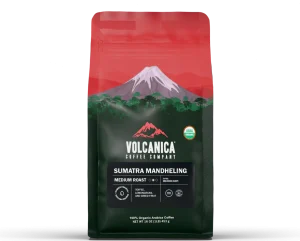
Volcanica charges specialty rates, and the 4/5 acidity held through a medium roast from Guatemala's high-altitude Huehuetenango region is what backs that up.
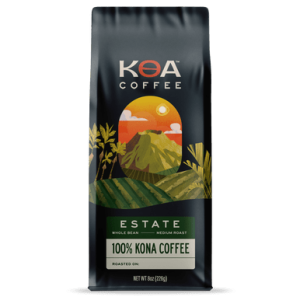
Expensive for what the cup delivers, but the citrus-forward brightness and low-bitterness profile are genuine Kona character and worth tasting once.
For the pour-over drinker who wants more fruit weight from an Ethiopian light roast than a washed lot delivers, the Okoluu Guji puts peach and honey ahead of the citrus, with maximum acidity behind it and nothing in the way of bitterness.
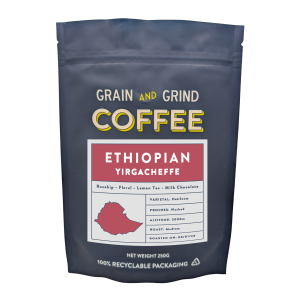
The medium roast trades away Yirgacheffe's most extreme florals for a cup that delivers real brightness across a wider range of filter setups and grind tolerances.
Built for pour over drinkers who track florals before everything else, this Worka Chelichele cup delivers bergamot, jasmine, and lemon at maximum acidity with very little weight underneath.
At a specialty-roaster premium, this delivers exactly what washed Gedeb is built for: black tea depth, peach-bright acidity at maximum intensity, and a floral profile that earns its price when the brewing conditions are right.
Built for the pour-over specialist who tracks water temperature and wants Yirgacheffe at its most defined: maximum citrus-floral acidity, high sweetness, and a finish that clears the palate fast.
The thin body leaves the cup without structural support, but the anaerobic fermentation on Red Bourbon pulls blackberry and mango fruit that few Rwandan lights can match.
The lemon brightness hits early and holds; the prune deepens as the cup cools, giving this washed Nariño more range than its roast level suggests.
The medium-dark roast on this natural-process Colombian buys consistency and full body at the cost of the rawer fermentation character a lighter pass would have kept.
Maximum sweetness delivered as stone fruit and caramel, from a Bourbón varietal with enough inherent sweetness to carry through medium-dark heat.
The anaerobic natural process draws baked apple, ginger, and cinnamon from West Valley Catuai that conventional drying would never reach, but the 2/5 body means there is nothing beneath the flavor to catch a loose extraction.
The medium roast holds back some of what controlled inoculation fermentation builds, but the sweetness and body that come through are more specific than most medium-roast Guatemalas at this price deliver.
Strawberry and blueberry dominate from the first sip, with the light roast preserving the natural fermentation compounds so the fruit arrives vivid and the finish settles dry.
Honey at the open, citrus brightness through the mid-palate, and nothing bitter on the finish: this is what 100% estate Kona washed and roasted to medium delivers.
The light roast and washed process commit to terroir: maximum acidity, maximum sweetness, and a bitterness that runs higher than the minimal roast development here can explain.
Bittersweet chocolate anchors every cup, and the East Africa component brings enough citrus to keep it from running flat.
Across drip, pour over, and french press, maximum acidity drives a jasmine-and-lemon cup with almost no bitterness behind it, and the brew margin is wider than the profile suggests.