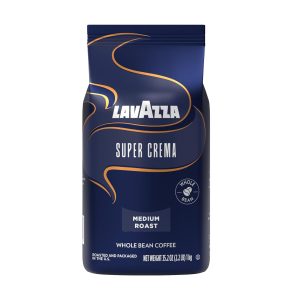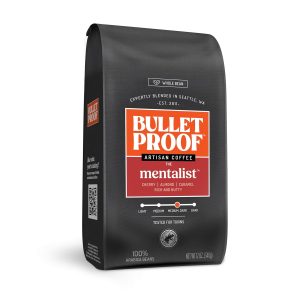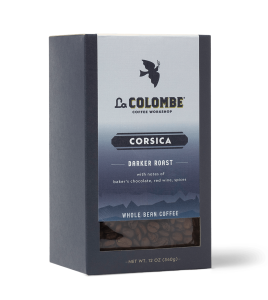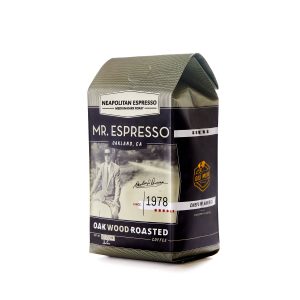
la-colombe
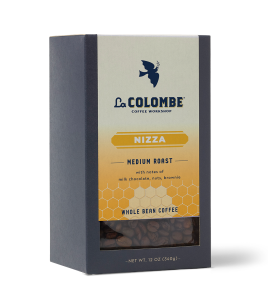
La Colombe Nizza Blend
Pulls a forgiving espresso with enough sweetness to stand black, and handles pour over without issue; espresso is where this blend earns its keep.
Espresso forces near-boiling water through finely ground coffee at 9 bars of pressure in 25–30 seconds. That pressure extracts compounds faster and at higher concentration than any other brew method. The result: a 1–2 oz shot with intense flavor, thick body, and a layer of emulsified oils called crema.
The pressure amplifies everything. A clean bean tastes cleaner. A bitter or acidic bean becomes more so. There's no hiding flaws in espresso.
Medium to dark roast. Light roast espresso is possible and practiced in specialty coffee, but it demands a precise grinder, dialed extraction, and higher water temperature — it's not forgiving. For most setups, medium-dark is the sweet spot: enough development to reduce harsh acids without burning off all the aromatics.
Low-to-medium acidity. High-acid beans pull sharp and sour at espresso parameters. Ethiopian light roasts need a very short pull or they turn acidic fast.
Good body and crema production. Brazilian and Indonesian origins contribute crema. Robusta adds crema dramatically but at the cost of bitterness.
A blend, often. Single-origin espresso can be exceptional, but most great espresso blends pull from multiple origins for balance — Colombian for brightness, Brazilian for crema and body, Indonesian for depth.
Sour or thin shot: under-extraction. Grind finer, extend pull time, or raise water temperature. A 20-second shot from a medium-dark roast is likely under-extracted. Aim for 25–28 seconds for most setups.
Bitter, harsh shot: over-extraction or too dark a roast. Grind coarser, shorten pull, or switch to a medium-dark instead of dark roast.
No crema: stale beans. CO2 off-gasses from roasted coffee in days. Espresso beans should be used within 2–4 weeks of roast date. Check the roast date on the bag — a bag with no roast date is probably old.
Pulls a forgiving espresso with enough sweetness to stand black, and handles pour over without issue; espresso is where this blend earns its keep.
Dark chocolate opens the cup and carries to the finish; the sweetness underneath, preserved at maximum roast intensity, is the honest differentiator from dark blends that have nothing left but bitterness.
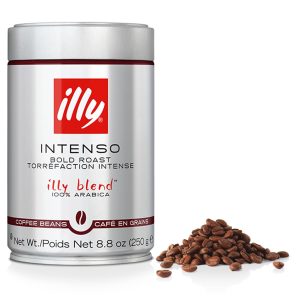
The body is there and the finish clears before it turns harsh, but the price reflects the Illy label more than it reflects what's in the cup.
Dense body from the first pull and the dark roast fades without a bitter edge; this is a forgiving cup in a category that usually charges you for that.
Cedar and cocoa pressed into a shot of maximum density: this cup leads with weight and asks you to meet it with milk.
The blend flattens three origins into a single, predictable profile, but the body is real and the low acidity makes it forgiving on home espresso equipment.
The 9-country blend erases origin character by design, but the sweetness execution is genuine and the cup holds across espresso, drip, and French press without demanding anything from the brewer.
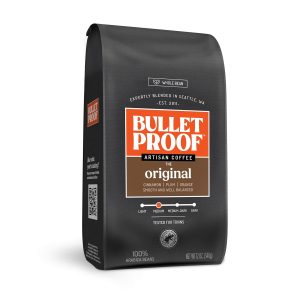
Cherry opens the cup, dark cocoa closes it, and the 4/5 body holds everything together in milk: the espresso credentials are real, but Bulletproof's name adds a cost the cup alone doesn't recover.
Dense dark chocolate from first contact, no brightness to cut it, and enough body weight to hold its shape through steamed milk.
Maximum roast intensity has consumed the Latin America blend's origin character entirely, but the 5/5 body makes it a functional base for milk-forward espresso and moka pot.
The undisclosed sourcing caps what this cup can say about itself, but a 4/5 body and 4/5 sweetness make it one of the more forgiving pulls in the medium-roast blend category.
This blend was pushed into the dark until origin stopped being the story: what's left is heavy body, caramel sweetness, and a roast structure built to hold up under milk.
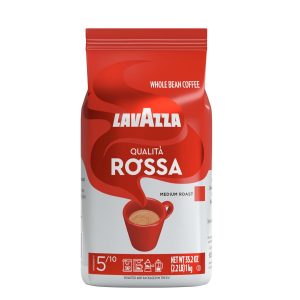
Qualita Rossa runs reliably across espresso, moka pot, drip, and French press, and the flip side of that cross-method consistency is a cup that has no character of its own to lose.
$1.83 per ounce for a dark espresso blend that earns its place in a milk-drink station but struggles to justify the brand premium for anyone taking shots black.
The decision to roast this at maximum intensity sacrifices a four-origin blend's potential for a single, predictable register: heavy body and cocoa-powder bitterness that holds under milk but flattens black.
Cocoa powder bitterness lands first; the body, not the flavor complexity, is the real argument for this blend.
You pay for the Bulletproof name before you pay for the coffee; what's in the bag is a low-bitterness washed medium with cinnamon warmth and a cocoa-hazelnut finish that brews forgivingly across drip, pour-over, and espresso.
The large-format bag signals this as a volume buy, and the cup delivers on that positioning: thick body and persistent crema, with low acidity that tolerates minor extraction variation without complaint.